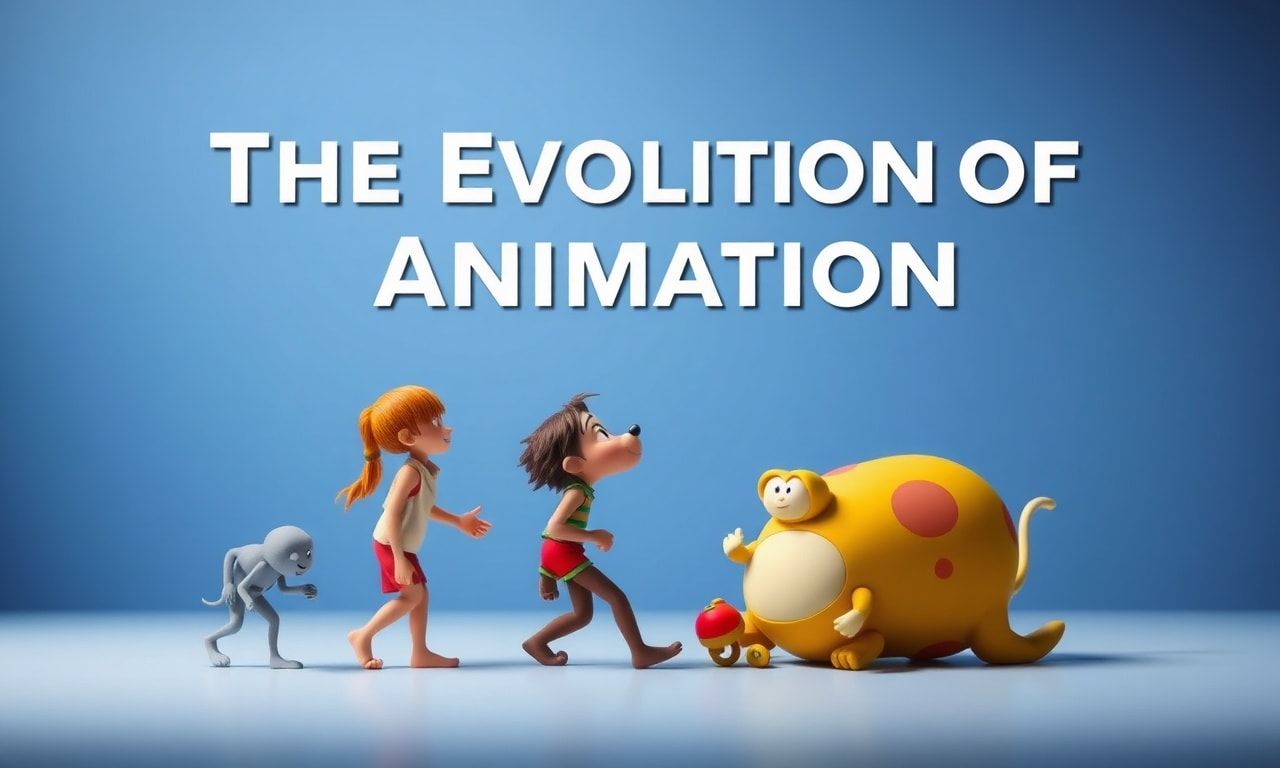
The Golden Age of Hand-Drawn Animation
The world of animation has come a long way since its inception. The early days of animation were marked by hand-drawn frames, a painstaking process that required immense skill and patience. Studios like Disney pioneered this art form, bringing to life beloved characters such as Mickey Mouse and Snow White. These hand-drawn animations captivated audiences with their charm and creativity, setting the stage for the future of animated films.
During this golden age, animators had to draw each frame by hand, a process that could take months or even years to complete. Despite the challenges, these early animators laid the foundation for the animation industry, inspiring future generations of artists and storytellers. The hand-drawn style remains a beloved part of animation history, with many modern films paying homage to this classic technique.
The Rise of Computer Animation
As technology advanced, so did the world of animation. The introduction of computer-generated imagery (CGI) revolutionized the industry, allowing animators to create more complex and detailed visuals. Films like “Toy Story” (1995) marked a significant milestone in animation history, proving that CGI could be used to create compelling and emotionally resonant stories.
The shift from hand-drawn to CGI animation opened up new possibilities for animators. With the ability to create three-dimensional characters and environments, animators could explore more dynamic and immersive worlds. This technological leap also made the animation process more efficient, reducing the time and effort required to produce high-quality films.
The Impact of CGI on the Animation Industry
The rise of CGI has had a profound impact on the animation industry. It has enabled studios to produce films with stunning visual effects and intricate details, captivating audiences of all ages. CGI has also made it easier for animators to experiment with different styles and techniques, leading to a diverse range of animated films and series.
Moreover, the advent of CGI has democratized the animation process. With the availability of powerful software and tools, independent animators and small studios can now create professional-quality animations without the need for large budgets or extensive resources. This has led to a surge in creativity and innovation within the industry, with new voices and perspectives emerging.
The Future of Animation: Virtual Reality and Beyond
The future of animation looks brighter than ever, with emerging technologies like virtual reality (VR) and augmented reality (AR) pushing the boundaries of what is possible. These technologies offer immersive experiences that transport viewers into the animated world, allowing them to interact with characters and environments in ways that were previously unimaginable.
VR and AR technologies are not only enhancing the viewing experience but also changing the way animators create content. With the ability to design and test animations in a virtual space, animators can achieve a higher level of precision and realism. This opens up new opportunities for storytelling and creativity, as animators can explore new narrative techniques and visual styles.
Staying Updated with the Latest Trends
For those interested in the latest developments in animation and technology, there are numerous resources available. Following top tech news blogs to follow can provide valuable insights into the latest trends and innovations in the industry. These blogs often feature articles and interviews with industry experts, offering a glimpse into the future of animation and technology.
Additionally, attending industry conferences and workshops can provide hands-on experience with the latest tools and techniques. These events offer a unique opportunity to learn from industry professionals and network with fellow animators, fostering a collaborative and innovative environment.
The Enduring Appeal of Animation
Despite the advancements in technology, the enduring appeal of animation lies in its ability to tell compelling stories and evoke emotions. Whether hand-drawn or CGI, animated films have the power to captivate audiences and transport them to imaginative worlds. The evolution of animation reflects the industry’s commitment to innovation and creativity, ensuring that it remains a vital and dynamic art form.
As we look to the future, the possibilities for animation are endless. With the continued development of new technologies and techniques, animators will continue to push the boundaries of what is possible, creating new and exciting experiences for audiences worldwide. The world of animation is an ever-evolving landscape, and its future looks brighter than ever.
Dive into the fascinating world where entertainment meets cutting-edge tech with how innovation is reshaping fun, a captivating journey through gaming, music, and more.
Ever wondered how your favorite celebrities and gamers catch their Z’s? Check out how tech transforms sleep for a fascinating look at the future of snoozing.
For a deeper understanding of this topic, Ev Temizlik Robotları: Teknoloji ile Temizlik offers valuable insights worth exploring.