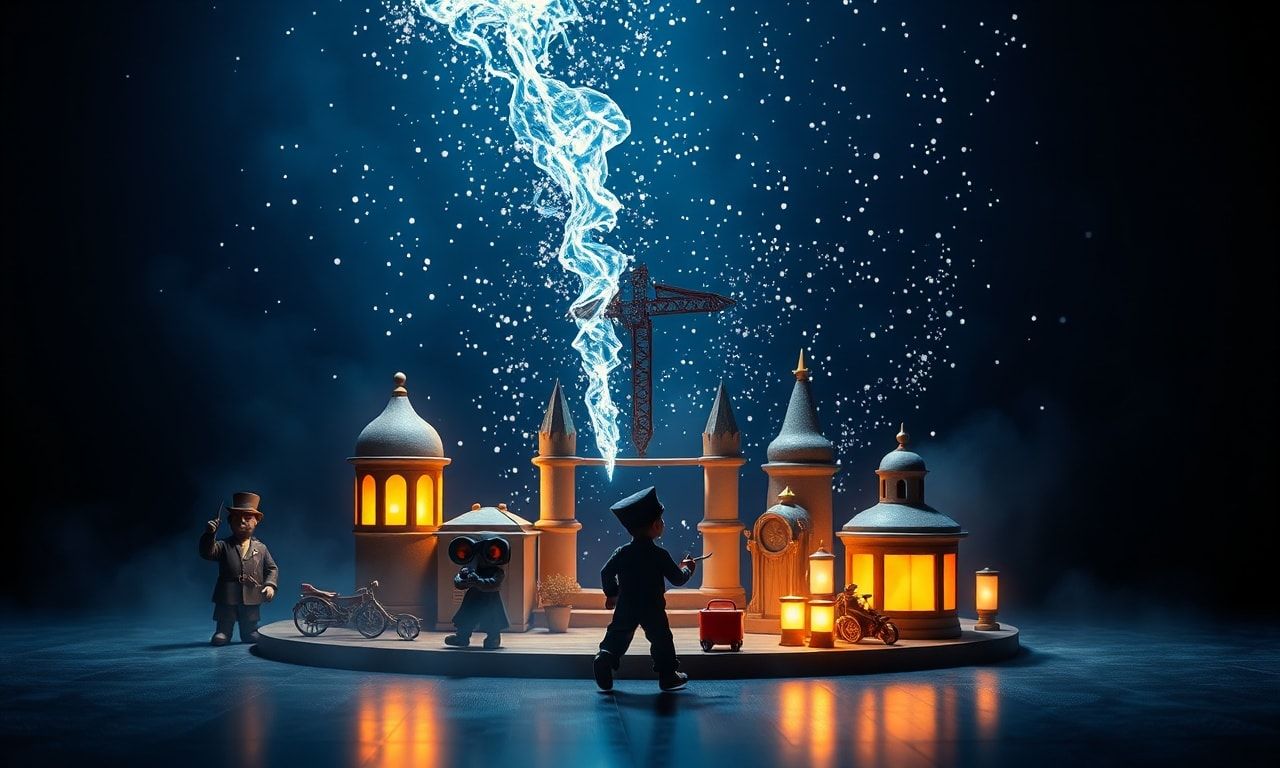
The Evolution of Animation
Animation has come a long way since its inception. From the early days of hand-drawn cel animation to the cutting-edge computer-generated imagery (CGI) of today, the art of bringing drawings to life has captivated audiences for over a century. The journey of animation is a testament to human creativity and technological advancement, offering a rich tapestry of stories and visual spectacle that continue to enchant viewers of all ages.
The Birth of Animation
The origins of animation can be traced back to the late 19th century with the invention of devices like the zoetrope and the praxinoscope. These early contraptions created the illusion of motion through a series of still images. However, it was the advent of cinema that truly propelled animation into the mainstream. Pioneers like J. Stuart Blackton and Émile Cohl experimented with stop-motion and hand-drawn techniques, laying the groundwork for what would become a thriving industry.
The Golden Age of Animation
The 1930s to the 1960s are often referred to as the Golden Age of Animation, a period marked by the rise of iconic studios such as Walt Disney Animation Studios, Warner Bros. Animation, and Fleischer Studios. This era saw the creation of timeless classics like “Snow White and the Seven Dwarfs,” “Bambi,” and “Looney Tunes.” These films not only entertained but also pushed the boundaries of what was possible in animation, introducing techniques like the multiplane camera and synchronized sound.
The Impact of Technology
Technology has played a pivotal role in the evolution of animation. The transition from hand-drawn frames to digital animation revolutionized the industry, allowing for greater precision and efficiency. The introduction of CGI in the late 20th century opened up new possibilities, enabling animators to create three-dimensional worlds and characters that were previously unimaginable. Today, advancements in software and hardware continue to push the limits of what animators can achieve, making the medium more dynamic and immersive than ever before.
The Rise of CGI
The 1990s marked a significant turning point with the release of “Toy Story” by Pixar Animation Studios. This groundbreaking film demonstrated the potential of CGI animation, showcasing lifelike characters and intricate environments. The success of “Toy Story” paved the way for a new era of animated films, with studios like DreamWorks Animation and Sony Pictures Animation joining the fray. CGI animation has since become a dominant force in the industry, captivating audiences with its stunning visuals and compelling storytelling.
The Role of Weather in Animation
Interestingly, weather plays a crucial role in many animated films, setting the mood and atmosphere of the story. For instance, the stormy weather in “The Lion King” adds a sense of drama and urgency to the narrative. Similarly, the sunny skies in “Finding Nemo” create a vibrant and inviting underwater world. For those interested in the weather, especially in regions like Round Rock, Texas, staying updated with the latest forecasts can be essential. You can check the Round Rock Texas weather forecast and updates to plan your day accordingly, whether you’re indoors enjoying a movie or outdoors exploring.
The Future of Animation
The future of animation looks brighter than ever, with emerging technologies like virtual reality (VR) and augmented reality (AR) poised to revolutionize the medium. These innovations promise to create even more immersive experiences, allowing viewers to step into the worlds of their favorite animated characters. Additionally, the rise of streaming services has democratized access to animated content, making it easier than ever for creators to share their stories with a global audience.
Virtual and Augmented Reality
Virtual and augmented reality technologies are set to transform the way we experience animation. VR headsets can transport viewers into fully realized animated worlds, offering a level of interactivity and immersion that traditional screens cannot match. AR, on the other hand, can overlay animated elements onto the real world, creating unique and engaging experiences. These technologies are already being explored in various projects, and their potential applications in animation are vast.
The Global Influence of Animation
Animation has a universal appeal that transcends cultural and linguistic barriers. Films like “Spirited Away” by Studio Ghibli and “The Boy and the Heron” have captivated audiences worldwide, showcasing the rich storytelling traditions of different cultures. The global influence of animation is evident in the diverse range of styles and techniques that have emerged from various regions. This cultural exchange enriches the medium, making it a vibrant and dynamic art form that continues to evolve.
Conclusion
From its humble beginnings to its current technological prowess, animation has captivated audiences for over a century. The evolution of animation is a testament to human creativity and technological advancement, offering a rich tapestry of stories and visual spectacle. As we look to the future, the possibilities for animation are endless, promising even more immersive and engaging experiences for audiences around the world. Whether you’re a fan of classic hand-drawn films or the latest CGI masterpieces, there’s always something new and exciting to discover in the world of animation.
If you’re a fan of the thrill and strategy that comes with sports betting, you’ll find college sports betting trends a fascinating read, much like the high-stakes drama in your favorite movies or TV shows.
Ever wondered how tech is shaping cities beyond the silver screen? Dive into Austin’s tech governance revolution and see how it’s making waves in real life.
Want to make a difference while enjoying your favorite pastimes? Check out tips for eco-friendly living that won’t disrupt your binge-watching or gaming marathons!