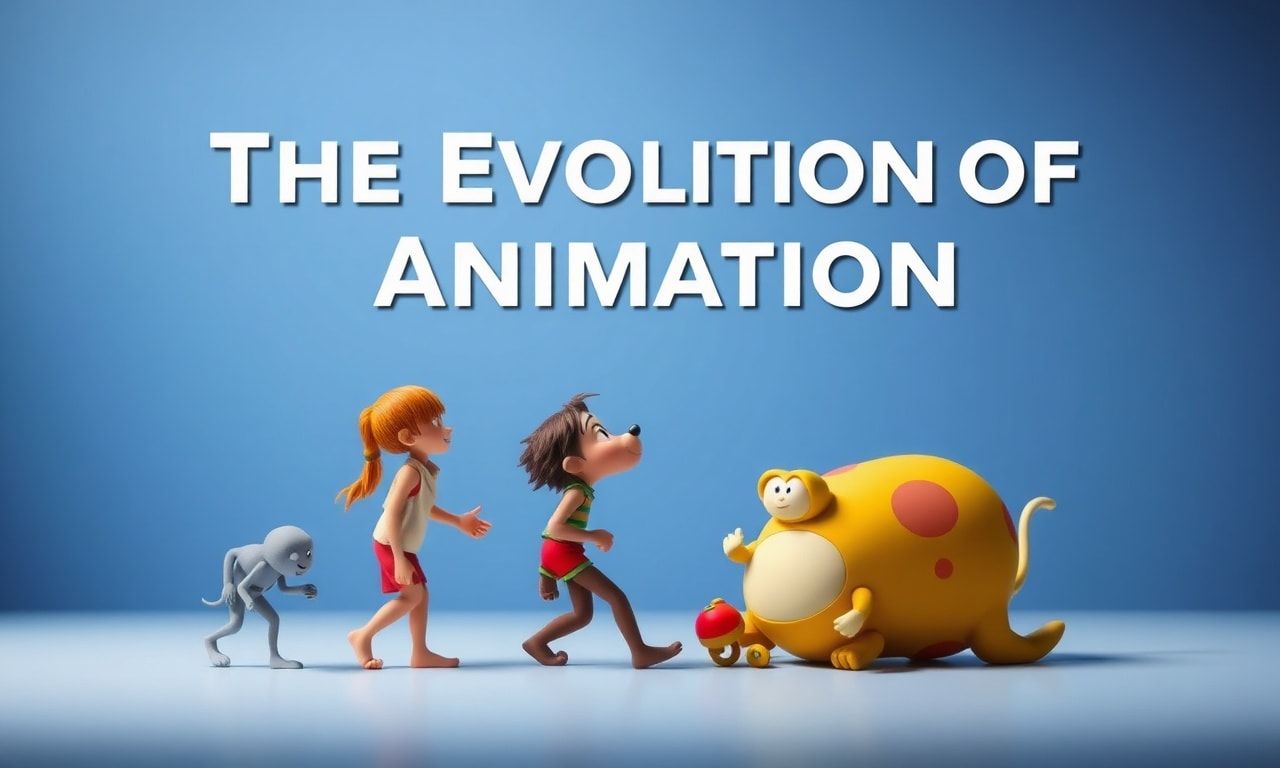
The Magic of Animation
Animation has been a cornerstone of entertainment for over a century, captivating audiences with its unique blend of artistry and storytelling. From the early days of hand-drawn cel animation to the modern era of computer-generated imagery (CGI), the evolution of animation is a testament to human creativity and technological advancement. This article explores the journey of animation, highlighting key milestones and the impact of digital technology on the industry.
The Birth of Animation
The origins of animation can be traced back to the late 19th century with the invention of devices like the zoetrope and the praxinoscope. However, it was the advent of cinema that truly brought animation to life. In 1908, French artist Émile Cohl created “Fantasmagorie,” widely regarded as the first fully animated film. This black-and-white, hand-drawn short film set the stage for the animation techniques that would follow.
In the early 20th century, animation studios began to emerge, with Walt Disney Productions leading the charge. The release of “Steamboat Willie” in 1928 marked a significant milestone, introducing the world to Mickey Mouse and pioneering synchronized sound in animation. This innovation not only captivated audiences but also laid the groundwork for future advancements in the field.
The Golden Age of Animation
The 1930s to the 1950s are often referred to as the “Golden Age” of animation, a period characterized by the production of classic animated films and shorts. Disney’s “Snow White and the Seven Dwarfs” (1937) was a groundbreaking achievement, being the first full-length animated feature film. This era saw the refinement of techniques such as the multiplane camera, which added depth and dimension to animated scenes.
During this time, other studios like Warner Bros. and Fleischer Studios also made significant contributions. Warner Bros. introduced iconic characters like Bugs Bunny and Daffy Duck, while Fleischer Studios brought Popeye and Betty Boop to life. These characters became cultural icons, shaping the landscape of animation and entertainment.
The Digital Revolution
The late 20th century witnessed a seismic shift in animation with the advent of digital technology. The introduction of computer-aided design (CAD) and CGI revolutionized the industry, allowing animators to create more complex and visually stunning worlds. One of the most notable examples of this transition is Pixar’s “Toy Story” (1995), the first feature film to be entirely computer-animated.
CGI offered animators unprecedented flexibility and precision, enabling the creation of lifelike characters and environments. This technological leap also democratized the field, making it easier for independent artists and small studios to produce high-quality animations. Websites like faydalı kaynaklar online rehber provide valuable resources and tools for aspiring animators looking to hone their skills in this digital age.
The Impact of Streaming Services
The rise of streaming services has further transformed the animation landscape. Platforms like Netflix, Disney+, and HBO Max have made animated content more accessible than ever, catering to a global audience. This shift has led to an increase in the production of animated series and films, catering to diverse tastes and demographics.
Streaming services have also encouraged experimentation and innovation in animation. Shows like “Avatar: The Last Airbender” and “The Dragon Prince” have pushed the boundaries of storytelling and visual style, appealing to both children and adults. The demand for high-quality animated content has created new opportunities for animators and storytellers, fostering a vibrant and dynamic industry.
The Future of Animation
As technology continues to evolve, the future of animation looks brighter than ever. Advances in virtual reality (VR) and augmented reality (AR) are opening up new possibilities for immersive storytelling. Animators are exploring these technologies to create interactive and engaging experiences that blur the line between fiction and reality.
Artificial intelligence (AI) is another area of interest, with researchers and developers working on AI-driven animation tools that can automate certain aspects of the animation process. While AI is not yet capable of replacing human creativity, it can assist animators in streamlining their workflow and enhancing productivity. The integration of AI and animation holds great promise for the future, offering new ways to bring stories to life.
The evolution of animation is a testament to the power of human creativity and technological innovation. From the early days of hand-drawn cel animation to the modern era of CGI and digital storytelling, animation continues to captivate and inspire audiences around the world. As we look to the future, the possibilities are endless, and the magic of animation will undoubtedly continue to enchant generations to come.
If you’re a fan of gaming, movies, or music and want to understand how anime and manga have shaped global pop culture, don’t miss our in-depth cultural exploration—it’s a must-read!
Dive into the vibrant world of cinema and entertainment by exploring Beijing Film Festival’s endless possibilities, where the magic of movies, music, and gaming collide.
Curious about the hottest trends in entertainment this year? Dive into our latest feature, 2023’s must-watch content, to stay ahead of the game in movies, music, and more.