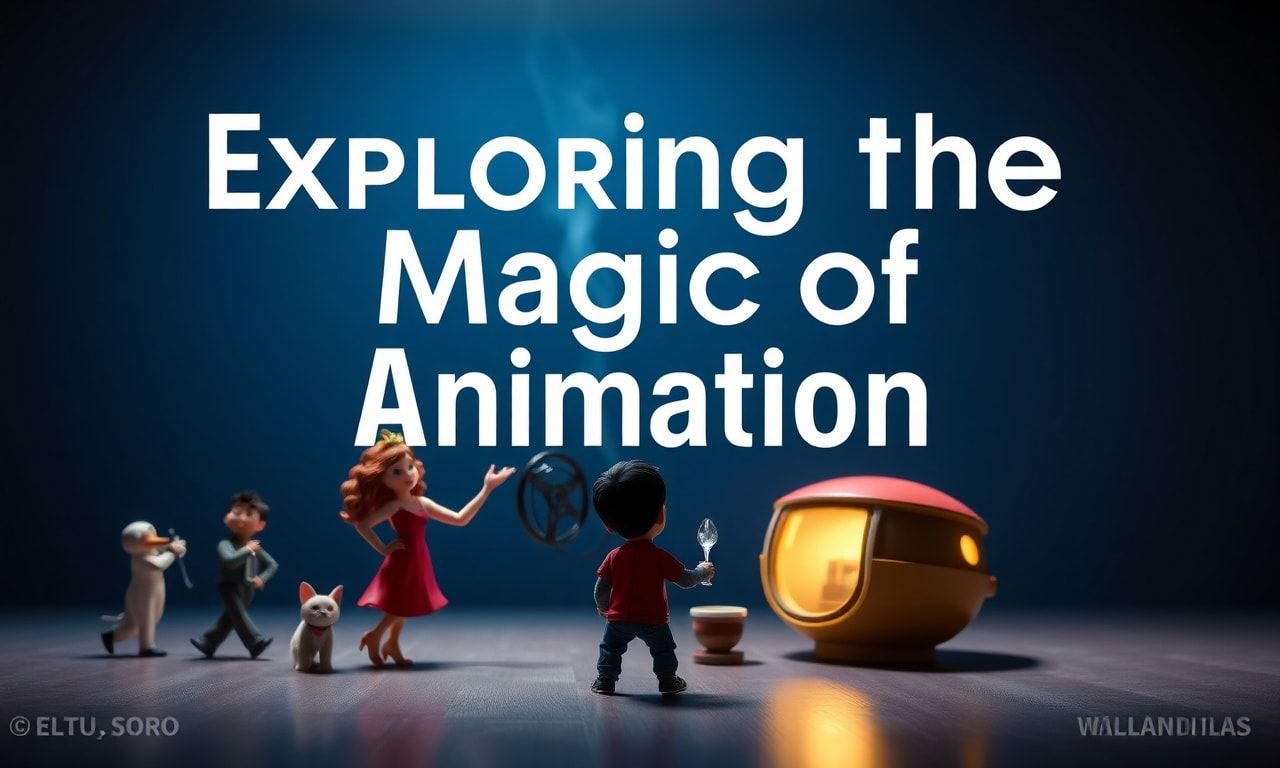
The Evolution of Animation
Animation has come a long way since its inception, evolving from simple hand-drawn sketches to sophisticated computer-generated imagery (CGI). The journey of animation is a fascinating one, marked by technological advancements and creative innovations. Early animators like Émile Cohl and Winsor McCay laid the groundwork for what would become a thriving industry. Today, animation is a cornerstone of the entertainment world, captivating audiences of all ages.
The Birth of Animation
The origins of animation can be traced back to the late 19th century with the advent of devices like the zoetrope and the praxinoscope. These early inventions allowed for the illusion of motion through a series of static images. The first fully animated film, “Fantasmagorie” by Émile Cohl, premiered in 1908 and set the stage for future developments in the field. As technology progressed, so did the techniques and styles of animation, leading to the birth of iconic characters and timeless stories.
One of the most significant milestones in animation history is the creation of Mickey Mouse by Walt Disney in 1928. Mickey’s debut in “Steamboat Willie” marked the beginning of a new era in animation, characterized by synchronized sound and vibrant characters. This innovation not only revolutionized the industry but also paved the way for future animated masterpieces. The impact of Disney’s work can still be seen today, influencing generations of animators and storytellers.
The Art of Storytelling
At the heart of every great animated film is a compelling story. Animation provides a unique canvas for storytellers to explore complex themes and emotions through visually stunning and imaginative worlds. From the whimsical adventures of “Alice in Wonderland” to the heartwarming tales of “Toy Story,” animation has the power to transport audiences to places they never thought possible. The combination of engaging narratives and captivating visuals makes animation a powerful medium for conveying messages and evoking emotions.
Storytelling in animation is not limited to children’s films. In recent years, animated movies have tackled a wide range of subjects, from historical events to social issues. Films like “Spirited Away” and “The Boy and the Heron” delve into deep, thought-provoking themes, demonstrating the versatility and depth of the medium. These films showcase the ability of animation to appeal to a broad audience, transcending age and cultural barriers.
The Role of Music and Sound
Music and sound play a crucial role in enhancing the storytelling experience in animation. From the iconic scores of Disney films to the catchy tunes of Studio Ghibli, music has the power to evoke emotions, set the mood, and create memorable moments. Composers like Henry Mancini and John Williams have contributed to the rich tapestry of animated films, creating soundtracks that resonate with audiences long after the credits roll. The synergy between visuals and sound is what makes animation such a powerful and immersive medium.
In addition to music, sound effects and voice acting are essential components of the animation process. Talented voice actors bring characters to life, infusing them with personality and depth. The collaboration between animators, composers, and voice actors results in a cohesive and engaging viewing experience. This synergy is evident in films like “The Lion King” and “Frozen,” where the combination of stunning visuals, memorable music, and exceptional voice acting creates a magical and unforgettable experience.
The Impact of Technology
Technological advancements have revolutionized the animation industry, enabling animators to push the boundaries of creativity and innovation. The transition from hand-drawn animation to computer-generated imagery (CGI) has opened up new possibilities for storytelling and visual effects. CGI allows for the creation of intricate and detailed worlds, bringing characters and environments to life in ways that were previously unimaginable. This technological evolution has not only enhanced the visual quality of animated films but also expanded the scope of what is possible in terms of storytelling.
The rise of digital tools and software has democratized the animation process, making it more accessible to aspiring animators and independent filmmakers. Platforms like Toon Boom and Adobe Animate provide powerful tools for creating high-quality animations, enabling creators to bring their visions to life with ease. The accessibility of these tools has led to a surge in independent animation projects, fostering a diverse and vibrant community of creators. This democratization of the animation process has resulted in a wealth of unique and innovative content, enriching the entertainment landscape.
The Future of Animation
The future of animation is bright, with exciting developments on the horizon. Advances in virtual reality (VR) and augmented reality (AR) are opening up new avenues for immersive storytelling, allowing audiences to step into the worlds of their favorite animated films. These technologies have the potential to revolutionize the way we experience animation, creating interactive and engaging experiences that blur the line between reality and fantasy. As technology continues to evolve, so too will the possibilities for animation, paving the way for even more groundbreaking and innovative works.
In addition to technological advancements, the animation industry is also embracing diversity and inclusion. Filmmakers are increasingly recognizing the importance of representing diverse voices and perspectives in their work. This shift towards inclusivity is resulting in a richer and more nuanced portrayal of characters and stories, reflecting the diversity of the world we live in. As the industry continues to evolve, it is crucial that these efforts towards inclusivity and representation are sustained, ensuring that animation remains a medium that celebrates and embraces diversity.
Exploring Animation Through Education
For those interested in delving deeper into the world of animation, there are numerous resources and educational opportunities available. From online courses and workshops to specialized programs at universities, aspiring animators can gain the skills and knowledge needed to succeed in the industry. One valuable resource for students interested in animation is the iowa genealogy societies list for students, which provides access to a wealth of historical and cultural information that can inspire and inform their work. By exploring these resources, students can gain a deeper understanding of the art and history of animation, as well as the techniques and tools used by professional animators.
In addition to formal education, there are numerous online communities and forums where animators can connect, share ideas, and collaborate on projects. These communities provide a supportive and inclusive environment for aspiring animators to learn from their peers and gain valuable feedback on their work. By engaging with these communities, students can build a network of contacts and gain insights into the latest trends and developments in the industry. This sense of community and collaboration is essential for fostering creativity and innovation in the world of animation.
Animation is a dynamic and ever-evolving medium that continues to captivate audiences around the world. From its humble beginnings to its current status as a cornerstone of the entertainment industry, animation has the power to inspire, educate, and entertain. As technology advances and new voices emerge, the future of animation is filled with endless possibilities. By exploring the rich history and diverse techniques of animation, we can gain a deeper appreciation for this unique and captivating art form.