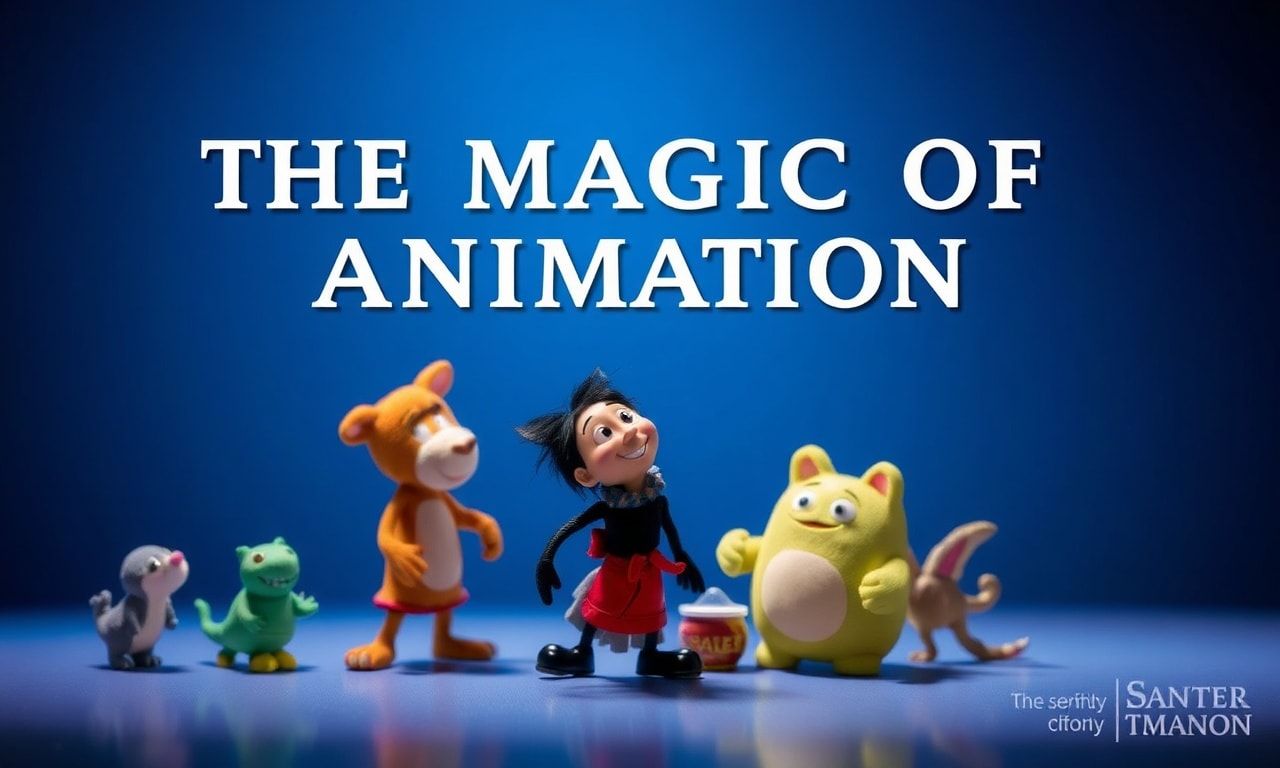
The Art of Storytelling
Animation is a powerful medium that brings stories to life in ways that captivate young audiences. From the whimsical worlds of Disney to the adventurous landscapes of DreamWorks, animated movies have the unique ability to transport children to places they’ve never been before. But what goes into creating these magical experiences? Let’s pull back the curtain and explore the art of storytelling in kids’ movies.
The Creative Process
The journey of an animated film begins with a compelling story. Writers and directors collaborate to develop a script that is both engaging and age-appropriate. This process involves brainstorming sessions, character development, and plot structuring. The goal is to create a narrative that resonates with children while also appealing to adults who accompany them to the theater.
Once the script is finalized, the next step is to bring the characters to life. Concept artists create detailed sketches of the characters, settings, and props. These sketches serve as the blueprint for the animation team, guiding them in their work. The attention to detail in this phase is crucial, as it sets the tone for the entire film.
The Role of Technology
Technology plays a pivotal role in the creation of animated movies. Advances in computer graphics and software have revolutionized the industry, allowing animators to create more realistic and detailed visuals. Programs like Autodesk Maya and Adobe Animate are commonly used to bring characters to life. These tools enable animators to create fluid movements, vibrant colors, and intricate details that were once impossible to achieve.
In addition to software, hardware advancements have also contributed to the evolution of animation. High-performance computers and powerful graphics cards allow animators to render complex scenes quickly and efficiently. This technological leap has significantly reduced production times, enabling studios to produce high-quality films in a shorter span of time.
The Importance of Voice Acting
Voice acting is another critical component of animated movies. The voices of the characters bring them to life, adding depth and personality to the animation. Casting directors search for actors who can embody the essence of the characters and deliver performances that resonate with audiences. The collaboration between voice actors and animators is essential, as it ensures that the characters’ movements and expressions align with their voices.
Voice acting also involves a significant amount of improvisation. Actors often add their own nuances to the script, enhancing the characters’ personalities and making them more relatable. This creative freedom allows for a more dynamic and engaging performance, enriching the overall viewing experience.
The Impact of Music and Sound
Music and sound effects play a crucial role in setting the mood and enhancing the storytelling in animated movies. Composers create original scores that complement the visuals and evoke emotions in the audience. From uplifting melodies to suspenseful tunes, music sets the tone for each scene and helps to create a memorable experience.
Sound effects, on the other hand, add realism to the animation. Whether it’s the rustling of leaves, the sound of footsteps, or the roar of a dragon, sound effects immerse the audience in the world of the film. The collaboration between sound designers and animators ensures that every sound is perfectly synchronized with the visuals, creating a seamless and immersive experience.
The Global Appeal of Animated Movies
Animated movies have a universal appeal, transcending cultural and linguistic barriers. They are enjoyed by children and adults alike, regardless of their background. This global appeal is evident in the success of films like ‘Coco,’ which celebrates Mexican culture, and ‘The Lion King,’ which explores African landscapes and traditions.
For those interested in the cultural aspects of animation, exploring resources like Mexico ofertas empleo vacantes can provide insights into the diverse influences that shape these films. Understanding the cultural context behind animated movies enriches the viewing experience and fosters a deeper appreciation for the art form.
The Future of Animation
The future of animation is bright, with advancements in technology and creative innovation paving the way for new possibilities. Virtual reality (VR) and augmented reality (AR) are emerging as exciting new mediums for storytelling, offering immersive experiences that go beyond traditional animation. These technologies allow audiences to step into the world of the film, interacting with characters and environments in ways that were once unimaginable.
Additionally, the rise of streaming services has made animated content more accessible than ever. Platforms like Netflix, Disney+, and HBO Max offer a vast library of animated movies and series, catering to diverse tastes and preferences. This accessibility has democratized animation, allowing creators from all backgrounds to share their stories with a global audience.
In conclusion, the magic of animation lies in its ability to transport audiences to fantastical worlds and evoke a range of emotions. From the creative process to the role of technology, voice acting, and music, every aspect of animation contributes to the creation of unforgettable experiences. As the industry continues to evolve, the future of animation promises even more innovation and creativity, ensuring that this beloved art form remains a staple in the world of entertainment.
Ever wondered how your favorite celebrities stay balanced amidst their hectic lives? Dive into mental and physical wellness and discover the secrets to holistic well-being.
Dive into a world of fun and entertainment with our latest feature, exploring movies, music, and games, where we serve up the hottest trends and celebrity buzz.
Dive into the fascinating world of global entertainment with our latest feature, entertainment’s worldwide influence, and discover how movies, music, and more shape our culture.