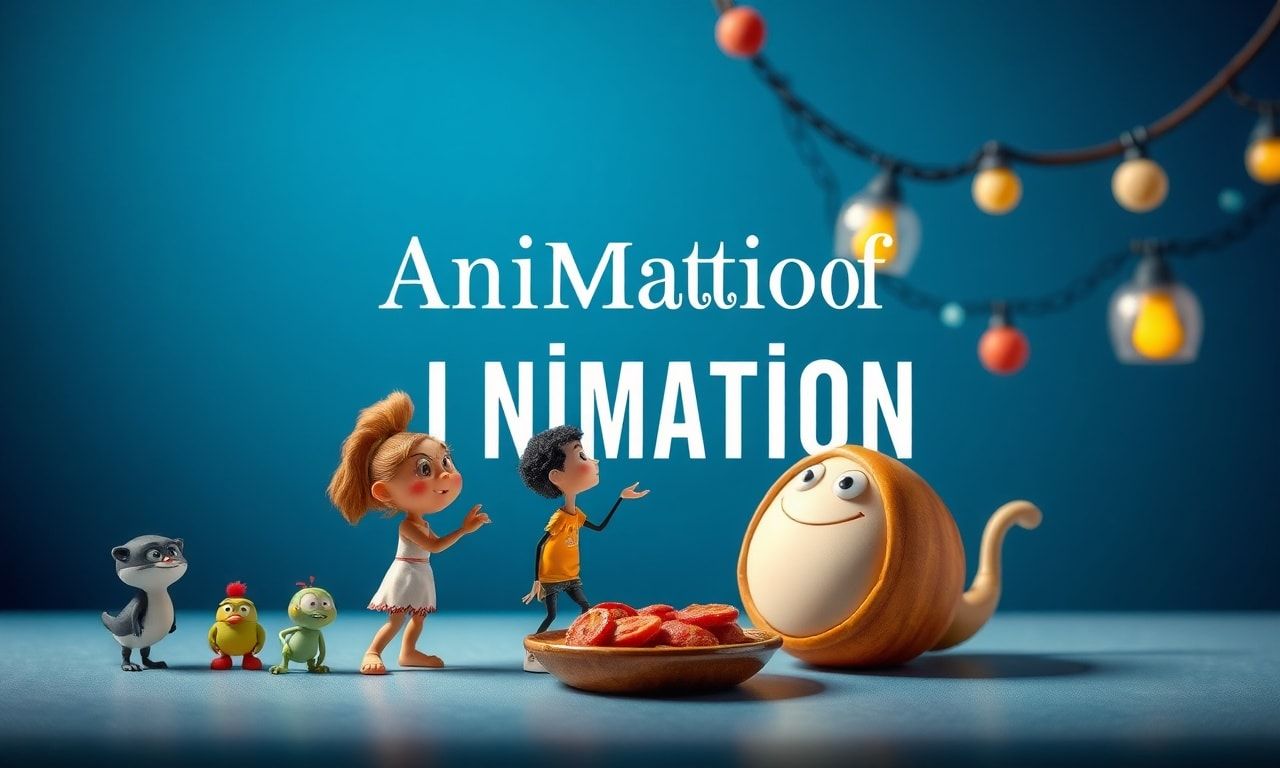
The Art of Storytelling Through Food
Animation has always been a powerful medium for storytelling, and one of the most delightful ways to bring stories to life is through food. From the whimsical teacups of Alice in Wonderland to the heartwarming feasts in Ratatouille, food plays a pivotal role in many beloved kids’ movies. These culinary moments not only add depth to the narrative but also create memorable scenes that resonate with young audiences. In this article, we’ll explore how food is used in animation to enhance storytelling, create cultural connections, and even inspire young viewers to try new dishes at home.
Cultural Connections: Food as a Bridge
Food is a universal language that transcends cultural boundaries. In kids’ movies, food often serves as a bridge between different cultures, helping young viewers understand and appreciate diverse traditions. For instance, in Kung Fu Panda, the character Po’s love for dumplings is a central theme, introducing audiences to Chinese cuisine in a fun and engaging way. Similarly, in The Princess and the Frog, the vibrant Creole dishes of New Orleans are showcased, offering a glimpse into the rich culinary heritage of the region.
For those inspired to try their hand at making traditional dishes at home, resources like the how to make authentic kimchi at home guide can be invaluable. These guides not only provide step-by-step instructions but also offer insights into the cultural significance of the dishes, making the cooking process both educational and enjoyable.
Memorable Food Scenes in Kids’ Movies
Some of the most iconic moments in kids’ movies revolve around food. Who can forget the enchanting tea party in Alice in Wonderland, where Alice encounters a variety of whimsical characters over a spread of delectable treats? Or the heartwarming scene in Beauty and the Beast where Belle and the Beast share a romantic dinner, complete with a candelabra and talking dishes? These scenes not only add a touch of magic to the story but also create lasting memories for young viewers.
In Ratatouille, the culinary journey of Remy the rat is a testament to the power of food in storytelling. The movie’s depiction of French cuisine, from the humble ratatouille to the exquisite dishes prepared by Auguste Gusteau, is both visually stunning and emotionally engaging. The film’s emphasis on the artistry of cooking inspires young viewers to appreciate the beauty and complexity of culinary traditions.
The Influence of Food on Character Development
Food often plays a crucial role in character development, helping to reveal a character’s personality, background, and motivations. In Inside Out Food often plays a crucial role in character development, helping to reveal a character’s personality, background, and motivations. In Inside Out, the character of Joy is often seen enjoying a variety of treats, which reflects her optimistic and cheerful nature. Similarly, in Moana, the character of Maui’s love for food is a recurring theme, highlighting his playful and adventurous spirit. In The Lion King, the character of Simba’s journey is marked by several significant food-related moments. From the heartwarming scene where he shares a meal with his father, Mufasa, to the joyous feast at the end of the movie, food serves as a symbol of unity, love, and the circle of life. These moments not only add depth to the characters but also create emotional connections with the audience. Food in animation not only enhances storytelling but also inspires young viewers to explore their culinary creativity. Many kids’ movies feature characters who are passionate about cooking, from Remy in Ratatouille to Gusteau in the same film. These characters serve as role models, encouraging young viewers to experiment with different ingredients and techniques. The impact of food in animation can be seen in the growing popularity of cooking shows and classes for children. Many young viewers are inspired to try their hand at making the dishes they see in their favorite movies, leading to a new generation of young chefs. Resources like the how to make authentic kimchi at home guide provide a valuable starting point for those looking to explore traditional cuisines. In conclusion, food plays a vital role in the world of animation, enhancing storytelling, creating cultural connections, and inspiring young viewers to explore their culinary creativity. From the whimsical teacups of Alice in Wonderland to the heartwarming feasts in Ratatouille, food brings stories to life in a way that is both magical and memorable. As we continue to enjoy these beloved movies, let us also appreciate the rich culinary traditions they celebrate and the inspiration they provide for young chefs around the world. Dive into the vibrant world of cultural fusion in entertainment with our latest feature, arts and entertainment’s global journey, and discover how movies, music, and games are blending boundaries like never before. Ever wondered how your favorite gaming setup or home theater could become even smarter? Check out AI-powered smart homes to see how AI and IoT are revolutionizing our living spaces. For a deeper understanding of this topic, Eğlencenin Dünyasında Güncel Konular offers valuable insights worth exploring.Inspiring Young Chefs: The Impact of Food in Animation