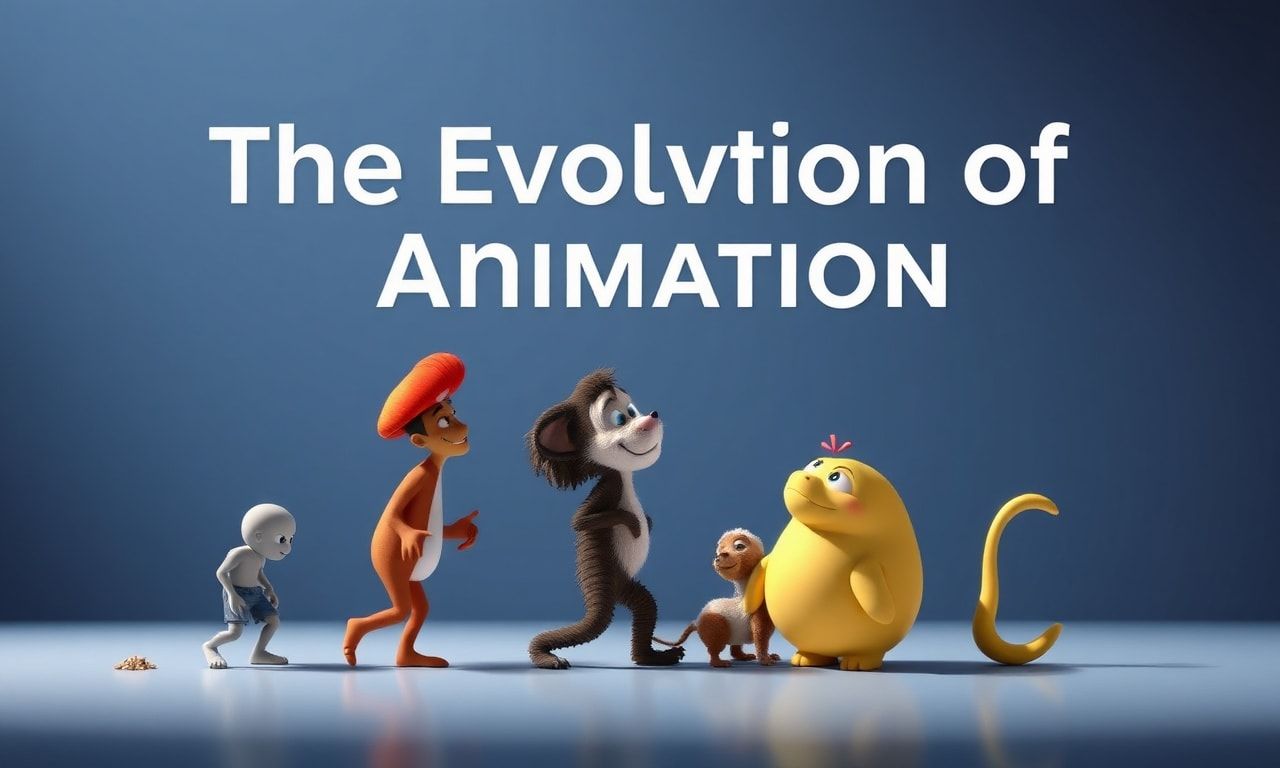
The Magic of Animation: A Brief History
Animation has come a long way since its inception. From the early days of hand-drawn cel animation to the hyper-realistic computer-generated imagery (CGI) of today, the art of bringing static images to life has captivated audiences of all ages. The evolution of animation is a testament to human creativity and technological advancement, and it continues to shape the entertainment industry in profound ways.
The Golden Age of Hand-Drawn Animation
The early 20th century marked the golden age of hand-drawn animation. Pioneers like Walt Disney revolutionized the medium with classics such as ‘Snow White and the Seven Dwarfs’ (1937), the first full-length animated feature film. This era was characterized by meticulous attention to detail, with animators painstakingly drawing each frame by hand. The result was a rich, textured visual style that remains beloved to this day.
Hand-drawn animation reached its zenith in the mid-20th century, with studios like Disney, Warner Bros., and Hanna-Barbera producing timeless works that continue to influence modern animation. The labor-intensive nature of this process, however, made it increasingly difficult to sustain as technology advanced. This led to the gradual shift towards more efficient and versatile methods of animation.
The Rise of Computer Animation
The late 20th century saw the rise of computer animation, a revolutionary technology that would forever change the landscape of the entertainment industry. Early computer-animated films like ‘Tron’ (1982) and ‘The Last Starfighter’ (1984) laid the groundwork for what would become a dominant force in animation. These films showcased the potential of CGI to create immersive, visually stunning worlds that were previously unimaginable.
As computer technology advanced, so too did the quality and complexity of CGI animation. By the 1990s, films like ‘Jurassic Park’ (1993) and ‘Toy Story’ (1995) demonstrated the incredible potential of CGI to bring fantastical creatures and environments to life. The success of these films paved the way for a new era of animation, one in which computer-generated imagery would become the norm.
The Modern Era of Hyper-Realistic CGI
Today, CGI animation has reached new heights of realism and sophistication. Films like ‘Avatar’ (2009) and ‘The Lion King’ (2019) showcase the incredible advancements in technology that allow animators to create lifelike characters and environments. The level of detail and precision achieved in modern CGI animation is truly astonishing, blurring the line between reality and fantasy.
One of the most significant developments in recent years has been the use of motion capture technology. This technique involves recording the movements of live actors and translating them into digital characters, resulting in incredibly lifelike performances. Films like ‘The Lord of the Rings’ trilogy and ‘Planet of the Apes’ (2011) have utilized motion capture to create some of the most memorable and realistic animated characters in cinema history.
The Impact of Streaming and Digital Platforms
The rise of streaming services and digital platforms has also had a profound impact on the animation industry. With the advent of services like Netflix, Disney+, and Amazon Prime Video, audiences now have access to a vast library of animated content from around the world. This has led to a renewed interest in diverse animation styles and techniques, as well as a greater appreciation for the art form as a whole.
Streaming platforms have also provided a new avenue for independent animators and creators to showcase their work. Websites like YouTube and Vimeo have become hubs for innovative and experimental animation, allowing artists to reach global audiences without the need for traditional distribution channels. This democratization of animation has led to a flourishing of creativity and diversity in the medium.
The Future of Animation
The future of animation is bright and full of possibilities. As technology continues to advance, animators will have access to even more powerful tools and techniques, allowing them to push the boundaries of what is possible. Virtual reality (VR) and augmented reality (AR) are two areas that hold particular promise for the future of animation, offering immersive and interactive experiences that blur the line between the real and the virtual.
Additionally, the growing interest in diverse and inclusive storytelling is driving a new wave of innovation in animation. Creators are increasingly exploring themes and perspectives that were previously overlooked, resulting in a richer and more nuanced body of work. This trend is likely to continue as audiences demand more representation and authenticity in their entertainment.
For those interested in staying updated on the latest developments in the entertainment industry, including animation, it’s worth checking out resources like dersveren güncel haberler dergisi güncelleme 2026 güncelleme en son gelişmeler. This publication provides comprehensive coverage of the latest news and trends, making it an invaluable resource for fans and professionals alike.
Conclusion
The evolution of animation is a fascinating journey that reflects the ongoing interplay between art and technology. From the hand-drawn classics of the past to the hyper-realistic CGI of today, animation continues to captivate and inspire audiences around the world. As we look to the future, it is clear that the art of animation will continue to evolve, driven by innovation, creativity, and a deep appreciation for storytelling.