The Golden Age of Animation
The world of animation has come a long way since its inception. The early 20th century marked the golden age of animation, with studios like Disney leading the charge. Hand-drawn animation was the norm, and it required immense skill and patience. Artists would painstakingly draw each frame by hand, creating the illusion of movement. This era gave us timeless classics like ‘Snow White and the Seven Dwarfs’ and ‘Bambi,’ which continue to captivate audiences today.
Despite the advancements in technology, hand-drawn animation still holds a special place in the hearts of many. The unique charm and artistic quality of these films are unparalleled. However, the landscape of animation began to change with the advent of computer-generated imagery (CGI). This shift opened up new possibilities and revolutionized the way animated films are made.
The Rise of CGI
The 1990s saw the rise of CGI in animation, with Pixar’s ‘Toy Story’ being a groundbreaking milestone. This film marked the first feature-length animated movie created entirely with CGI. The success of ‘Toy Story’ paved the way for other studios to explore this new technology. CGI offered animators greater flexibility and precision, allowing them to create more complex and detailed worlds.
As technology continued to evolve, so did the quality of CGI animation. Films like ‘Finding Nemo’ and ‘The Incredibles’ showcased the potential of this medium, blending stunning visuals with compelling storytelling. The transition from hand-drawn to CGI was not without its challenges, but the results have been nothing short of spectacular. Today, CGI animation dominates the industry, with studios like DreamWorks and Illumination Entertainment producing blockbuster hits.
The Impact of CGI on Storytelling
One of the most significant impacts of CGI on animation is the way it has enhanced storytelling. With CGI, animators can create intricate worlds and characters that were previously impossible to achieve with hand-drawn animation. This has allowed for more diverse and imaginative narratives, captivating audiences of all ages.
For example, films like ‘Avatar’ and ‘The Lion King’ (2019) have pushed the boundaries of what is possible in animation. These films not only feature stunning visuals but also delve into complex themes and emotions. The ability to create realistic and expressive characters has made CGI animation a powerful tool for storytelling. It has also opened up new avenues for exploring historical and cultural themes, as seen in films like ‘How to Train Your Dragon’ and ‘Kung Fu Panda.’
The Role of Historical Context
Understanding the historical context of animation is crucial for appreciating its evolution. The industry has been shaped by various factors, including technological advancements, cultural shifts, and societal changes. For instance, the post-World War II era saw a surge in animated films aimed at children, reflecting the need for escapism and entertainment during a time of recovery and rebuilding.
To delve deeper into the historical context of animation, one can explore resources like historical news headlines today. These resources provide valuable insights into the events and trends that have influenced the animation industry over the years. By understanding the past, we can better appreciate the present and look forward to the future of animation.
The Future of Animation
The future of animation is bright and full of possibilities. With advancements in technology, animators are constantly pushing the boundaries of what is possible. Virtual reality (VR) and augmented reality (AR) are emerging as new frontiers in animation, offering immersive and interactive experiences for audiences.
Additionally, the rise of streaming platforms has created new opportunities for animators to showcase their work. Platforms like Netflix and Disney+ have invested heavily in original animated content, providing a global audience for independent animators and studios. This has led to a diverse range of animated series and films, catering to various tastes and preferences.
The Importance of Diversity and Inclusion
As the animation industry continues to evolve, the importance of diversity and inclusion cannot be overstated. Representation matters, and audiences are increasingly demanding stories that reflect their experiences and identities. Animators have a unique opportunity to create characters and worlds that celebrate diversity and promote inclusivity.
Films like ‘Coco’ and ‘Moana’ have been praised for their authentic representation of cultural and historical contexts. These films not only entertain but also educate audiences about different cultures and traditions. By embracing diversity, the animation industry can create a more inclusive and representative world, both on and off the screen.
Conclusion
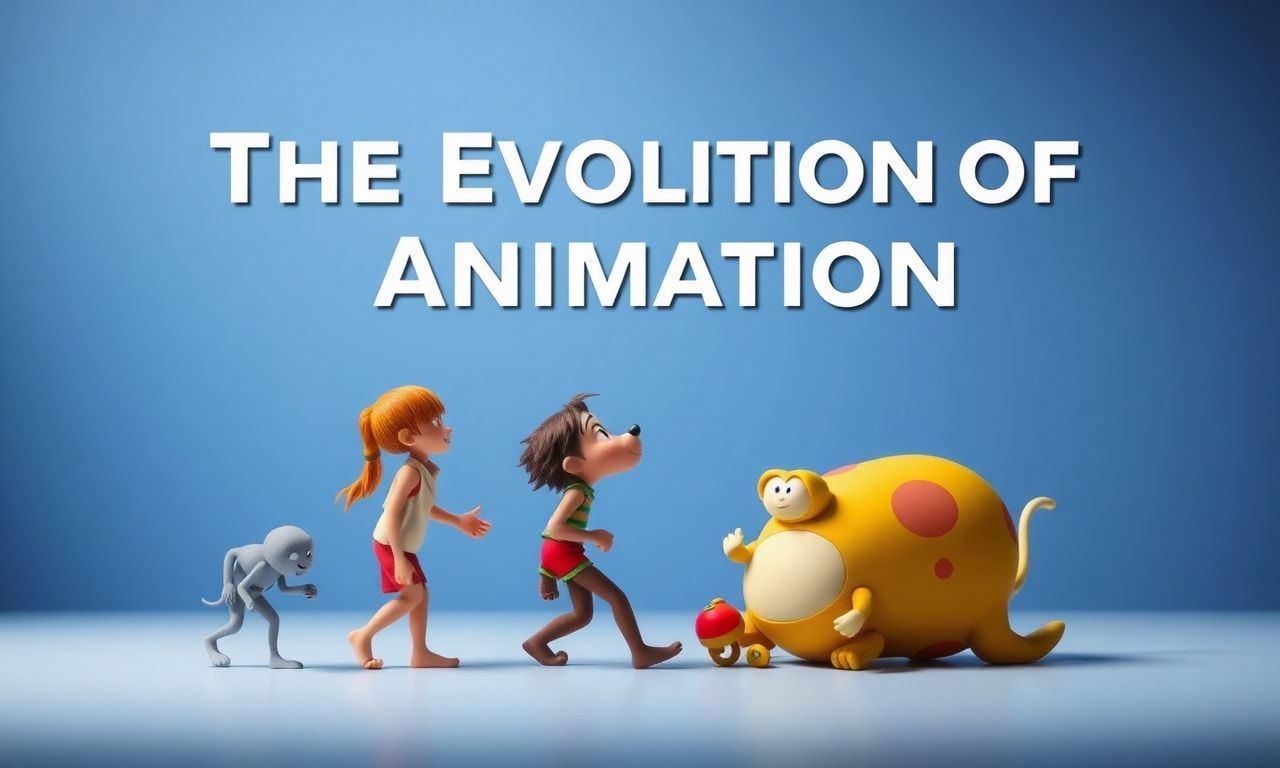
The evolution of animation from hand-drawn to CGI has been a remarkable journey. Each era has brought its own unique challenges and opportunities, shaping the industry in profound ways. As we look to the future, the possibilities are endless. With advancements in technology and a growing emphasis on diversity and inclusion, the world of animation is poised for even greater heights. Whether it’s through traditional hand-drawn techniques or cutting-edge CGI, animation continues to captivate and inspire audiences around the world.
For a deeper understanding of this topic, The Fascinating Intersection of Entertainment and offers valuable insights worth exploring.
Readers interested in this subject may also want to explore Navigating Financial Markets: Tips and Strategies for additional perspectives.
You may also find The Future of Automotive Technology: Honda helpful as it covers related aspects of this subject.