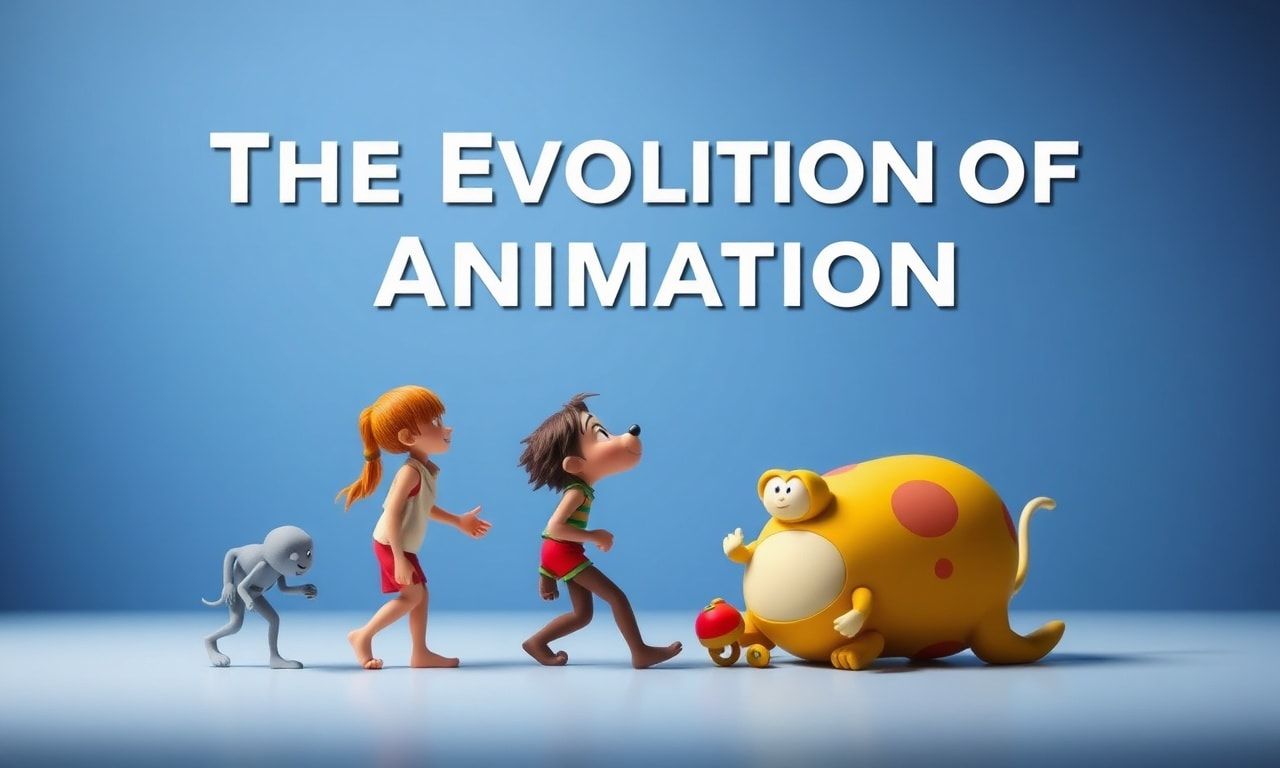
The Golden Age of Animation
The world of animation has come a long way since its inception. The early days of animation were marked by hand-drawn frames, a labor-intensive process that required immense skill and patience. Studios like Walt Disney Animation and Warner Bros. pioneered this art form, creating timeless classics that are still beloved today. Movies like “Snow White and the Seven Dwarfs” and “Looney Tunes” set the stage for the animated features we enjoy today.
The Rise of Computer Animation
As technology advanced, so did the techniques used in animation. The 1990s saw the rise of computer-generated imagery (CGI), which revolutionized the industry. Pixar Animation Studios led the charge with groundbreaking films like “Toy Story,” which was the first feature-length film to be entirely created using CGI. This shift allowed animators to create more dynamic and realistic worlds, capturing the imagination of audiences worldwide.
The Impact of Technology on Modern Animation
Today, animation is a blend of traditional techniques and cutting-edge technology. Software like Autodesk Maya and Adobe Animate has made it easier for artists to bring their visions to life. The use of motion capture technology, as seen in films like “Avatar” and “The Jungle Book,” has further enhanced the realism of animated characters. These advancements have not only improved the quality of animation but have also made the process more efficient.
The Future of Animation
The future of animation looks bright, with virtual reality (VR) and augmented reality (AR) opening up new possibilities. Imagine stepping into the world of your favorite animated characters or interacting with them in real-time. Companies are already exploring these technologies, and it won’t be long before they become mainstream. Additionally, the integration of artificial intelligence (AI) in animation is on the horizon, promising to streamline the creative process even further.
The Role of Animation in Education
Animation is not just for entertainment; it plays a crucial role in education as well. Animated videos and interactive content make learning more engaging and accessible for children. Educational platforms like Khan Academy and Duolingo use animation to simplify complex concepts and make them more relatable. This approach has been particularly effective in subjects like science, mathematics, and language learning. Moreover, animation can be used to teach important life skills and social values, making it a powerful tool for shaping young minds.
Animation in Different Cultures
Animation is a global art form, with each culture bringing its unique flavor to the table. Japanese animation, or anime, has gained a massive following worldwide, thanks to its distinctive art style and compelling storytelling. Studios like Studio Ghibli have produced masterpieces like “Spirited Away” and “My Neighbor Totoro,” which have captivated audiences of all ages. Similarly, European animation has a rich history, with countries like France and Finland contributing significantly to the field. For instance, the Finnish city of Helsinki has been a hub for animation and cultural development, as highlighted in helsingin uutiset kaupunginkehitys.
The Business of Animation
The animation industry is a multi-billion-dollar business, with major studios like Disney, DreamWorks, and Nickelodeon leading the way. These studios invest heavily in research and development to stay ahead of the curve. The success of animated films and TV shows is a testament to the industry’s growth and potential. Streaming services like Netflix and Amazon Prime have also recognized the value of animation, producing original content that caters to a diverse audience. This has led to an increase in demand for skilled animators and storytellers, creating numerous job opportunities in the field.
The Challenges Faced by Animators
Despite the advancements in technology, animators face several challenges. The pressure to meet tight deadlines and the high expectations of audiences can be overwhelming. Additionally, the cost of producing high-quality animation is substantial, requiring significant investment in software, hardware, and talent. However, the industry is constantly evolving, and new tools and techniques are being developed to address these challenges. Collaborative platforms and cloud-based solutions are making it easier for animators to work together, regardless of their location.
Conclusion
The world of animation is a dynamic and ever-evolving field, driven by innovation and creativity. From the hand-drawn classics of the past to the CGI masterpieces of today, animation continues to captivate audiences and push the boundaries of what is possible. As technology advances, the future of animation looks brighter than ever, promising new ways to tell stories and engage with audiences. Whether it’s through education, entertainment, or cultural expression, animation plays a vital role in our lives, and its impact will only continue to grow.
If you’re a fan of the adrenaline-fueled stunts in your favorite action movies or the jaw-dropping tricks in gaming, you’ll love discovering how tech is revolutionizing action sports in our latest feature, action sports go digital.
Ever wondered what your favorite gaming cities might look like in the future? Check out Helsinki’s futuristic urban plans that could revolutionize how we experience our urban landscapes.
As we wrap up another year of incredible entertainment, don’t miss our roundup of 2023’s best in film, music, and games—your next favorite might be waiting!