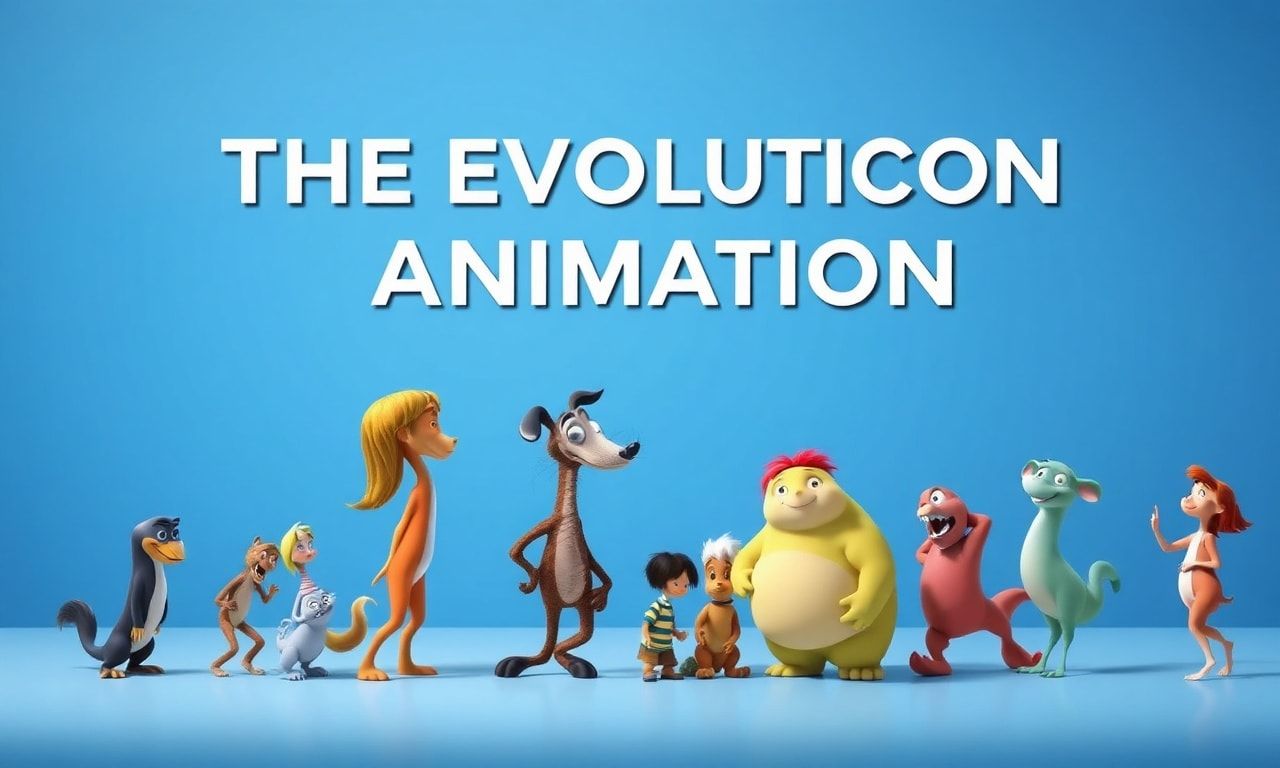
The Golden Age of Animation
The world of animation has come a long way since its inception. The early days, often referred to as the Golden Age, were dominated by hand-drawn masterpieces that captivated audiences of all ages. Studios like Disney, Warner Bros., and Fleischer Studios produced timeless classics that are still cherished today. These animations were not just for children; they were a form of art that transcended age barriers, offering a blend of storytelling, music, and visual artistry that was unparalleled.
Iconic characters like Mickey Mouse, Bugs Bunny, and Betty Boop became household names, and their adventures were a staple of family entertainment. The painstaking process of hand-drawing each frame was a testament to the dedication and skill of the animators. This era laid the foundation for the animation industry, setting high standards for creativity and innovation that continue to inspire animators today.
The Rise of Computer Animation
As technology advanced, so did the world of animation. The late 20th century saw the rise of computer animation, which revolutionized the industry. The introduction of digital tools allowed animators to create more complex and visually stunning worlds. This shift was marked by the release of groundbreaking films like “Toy Story” in 1995, which was the first feature-length film to be entirely computer-animated.
The impact of computer animation was profound. It opened up new possibilities for storytelling and visual effects, enabling animators to create realistic and imaginative worlds that were previously unimaginable. The success of “Toy Story” paved the way for other computer-animated films, leading to a new era of animation that continues to thrive. Today, computer animation is a dominant force in the industry, with studios like Pixar, DreamWorks, and Blue Sky producing blockbuster hits that captivate audiences worldwide.
The Influence of Technology on Animation
The rapid advancement of technology has had a significant impact on the animation industry. The introduction of 3D animation, motion capture, and virtual reality has expanded the boundaries of what is possible in animation. These technologies have allowed animators to create more immersive and interactive experiences for viewers, making the art form more engaging and dynamic.
For instance, motion capture technology has enabled animators to create realistic and lifelike characters by capturing the movements of real actors. This technology has been used in films like “Avatar” and “The Lord of the Rings” trilogy, where it has brought fantasy worlds to life with unprecedented realism. Virtual reality, on the other hand, has opened up new avenues for interactive storytelling, allowing viewers to step into the animated world and experience it firsthand.
The Role of Animation in Modern Entertainment
Animation has become an integral part of modern entertainment, with animated films and TV shows dominating the industry. The success of animated features like “Frozen,” “The Incredibles,” and “Spider-Man: Into the Spider-Verse” has proven that animation is not just for children but for audiences of all ages. These films have tackled complex themes and emotions, showcasing the versatility and depth of the animation medium.
In addition to films, animated TV shows have also gained immense popularity. Shows like “Avatar: The Last Airbender,” “Adventure Time,” and “Steven Universe” have captivated audiences with their unique storytelling and compelling characters. These shows have not only entertained viewers but also addressed important social issues, making them a powerful tool for education and advocacy.
Animation in Gaming and Regional News
The influence of animation extends beyond films and TV shows. The gaming industry has embraced animation to create immersive and visually stunning worlds. Games like “The Legend of Zelda: Breath of the Wild” and “The Last of Us” have showcased the power of animation in enhancing gameplay and storytelling. These games have set new standards for visual fidelity and narrative depth, making them a testament to the versatility of animation.
Moreover, animation has also found its way into other forms of media, such as regional news today. Animated segments and graphics are often used to explain complex topics and make news stories more engaging and accessible. This fusion of animation and news has made it easier for audiences to understand and retain information, highlighting the broad applications of animation in various fields.
The Future of Animation
The future of animation looks bright, with advancements in technology continuing to push the boundaries of what is possible. The rise of artificial intelligence and machine learning is expected to revolutionize the animation industry, making the process more efficient and creative. These technologies have the potential to automate certain aspects of animation, allowing animators to focus on the creative aspects of their work.
Additionally, the growing popularity of streaming services has created new opportunities for animators. Platforms like Netflix, Disney+, and HBO Max have invested heavily in animated content, providing a wealth of opportunities for animators to showcase their talent. This shift towards digital platforms has democratized the industry, making it easier for independent animators to reach a global audience.
In conclusion, the evolution of animation from hand-drawn classics to modern marvels is a testament to the power of creativity and innovation. As technology continues to advance, the world of animation will undoubtedly continue to evolve, offering new and exciting possibilities for storytelling and visual artistry. Whether in films, TV shows, games, or regional news today, animation remains a vital and dynamic part of our entertainment landscape.
Dive into the latest buzz in entertainment with our entertainment world updates, covering everything from blockbuster movies to chart-topping music and gaming trends.
Ever wondered how your favorite celebrities stay in top shape while juggling hectic schedules? Check out healthy living tips for body and mind to bring some of that energy into your own life.
Ever wondered how politics and entertainment might collide in the not-so-distant future? Our latest piece, entertainment meets political futures, takes a wild ride through the world of 2026, where movies, music, and gaming might just steal the political spotlight.