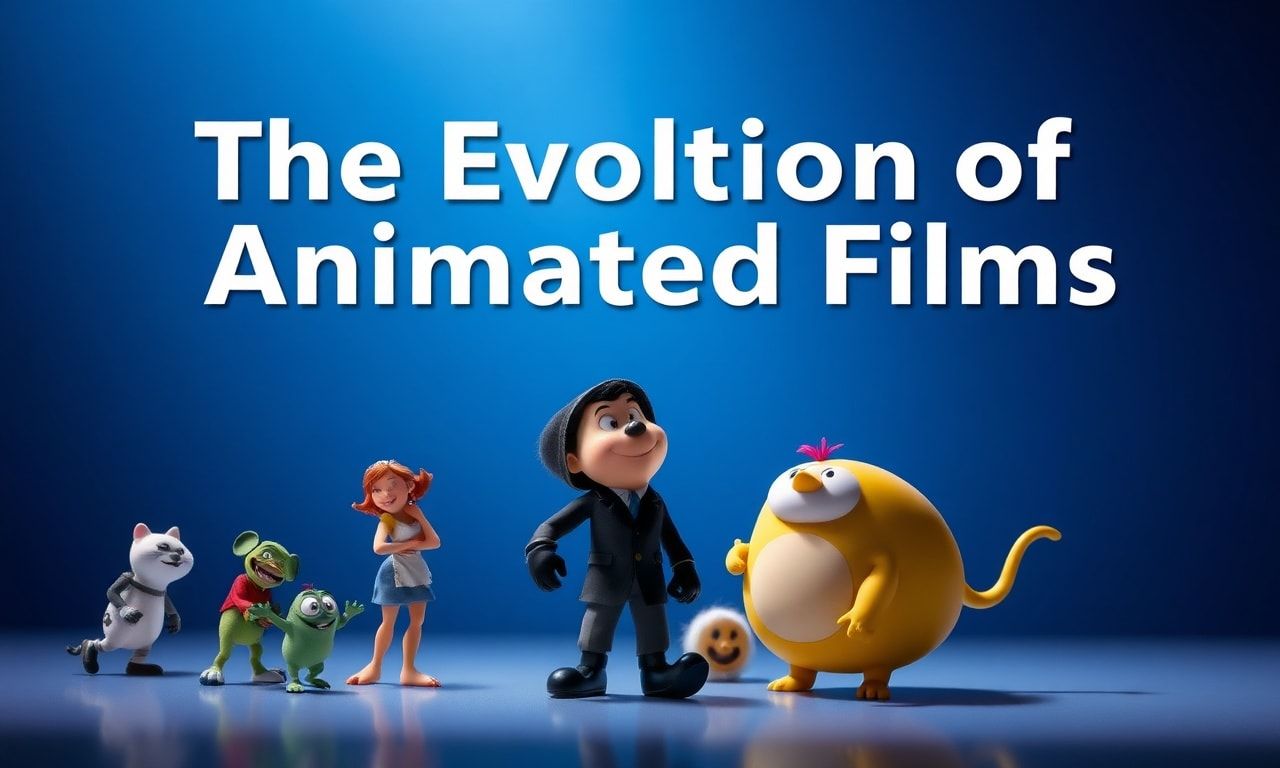
The Golden Age of Animation
The world of animated movies has come a long way since the early days of hand-drawn classics. The Golden Age of Animation, spanning from the 1930s to the 1960s, introduced us to iconic characters and timeless stories. Disney’s “Snow White and the Seven Dwarfs” (1937) marked a significant milestone, proving that animated films could captivate audiences of all ages. This era laid the foundation for the vibrant and diverse animated landscape we enjoy today.
The Rise of Computer Animation
The late 20th century witnessed a revolutionary shift with the advent of computer animation. Pixar’s “Toy Story” (1995) was a groundbreaking achievement, demonstrating the potential of this new technology. The film’s success paved the way for a new wave of animated movies that combined cutting-edge technology with compelling storytelling. Today, computer animation has become the standard, allowing filmmakers to create visually stunning worlds that were once unimaginable.
Modern Masterpieces and Cultural Impact
In recent years, animated movies have transcended their traditional role as children’s entertainment. Films like “Spirited Away” (2001) and “The Incredibles” (2004) have garnered critical acclaim and international recognition. These movies explore complex themes and emotions, resonating with audiences of all ages. The cultural impact of animated films is undeniable, with many becoming part of the collective consciousness and inspiring countless adaptations and merchandise.
The Role of Music in Animated Films
Music plays a crucial role in the success of animated movies. From the catchy tunes of Disney classics to the orchestral scores of modern masterpieces, music enhances the emotional depth and memorability of these films. Composers like Hans Zimmer and Alan Menken have created iconic soundtracks that have become synonymous with the films they accompany. The collaboration between musicians and animators continues to push the boundaries of what is possible in the world of entertainment.
Exploring Different Genres
Animated movies are no longer confined to fairy tales and fantasy adventures. Today, they span a wide range of genres, from action-packed thrillers like “How to Train Your Dragon” (2010) to thought-provoking dramas like “Inside Out” (2015). This diversity allows filmmakers to explore new storytelling techniques and reach broader audiences. Whether it’s a heartwarming family film or a dark, mature narrative, animated movies continue to evolve and surprise us.
For those looking to explore the vast world of animated movies, there are numerous resources available online. Websites like çekici adres portal offer a wealth of information and recommendations, helping viewers discover hidden gems and classic favorites. Whether you’re a seasoned fan or a newcomer to the genre, there’s always something new and exciting to watch.
The Future of Animation
The future of animated movies is bright, with advancements in technology and storytelling techniques. Virtual reality (VR) and augmented reality (AR) are opening up new possibilities for immersive experiences. Filmmakers are also experimenting with hybrid animation styles, blending traditional and computer-generated techniques to create unique visual effects. As the industry continues to innovate, we can expect even more groundbreaking films that push the boundaries of imagination.
Educational and Inspirational Value
Animated movies are not just for entertainment; they also serve as valuable educational tools. Many films address important social issues and promote positive values, such as friendship, courage, and perseverance. For example, “Zootopia” (2016) tackles themes of prejudice and diversity, while “Wall-E” (2008) highlights environmental concerns. These films inspire young viewers to think critically and develop a deeper understanding of the world around them.
The Global Appeal of Animation
Animation knows no borders, and its appeal is truly global. Countries like Japan, France, and South Korea have made significant contributions to the world of animation, each bringing their unique cultural perspectives and artistic styles. Studio Ghibli’s films, for instance, have captivated audiences worldwide with their beautiful storytelling and intricate animation. This global exchange of ideas and techniques enriches the industry and fosters a sense of shared humanity through the power of storytelling.
In conclusion, the evolution of animated movies is a testament to the enduring power of storytelling and innovation. From the classic tales of the Golden Age to the cutting-edge masterpieces of today, animated films continue to inspire, educate, and entertain. As technology advances and new voices emerge, the future of animation promises to be even more exciting and diverse.