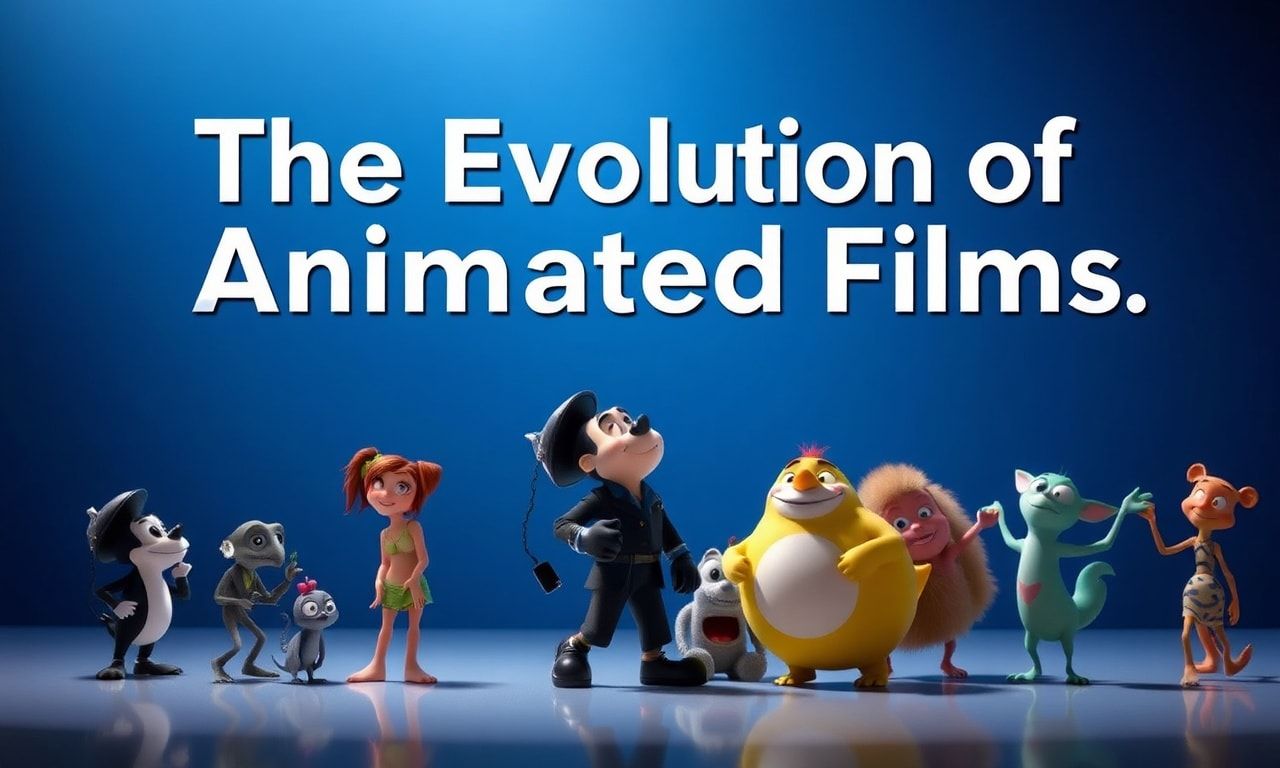
The Golden Age of Animation
The world of animation has come a long way since the days of hand-drawn classics like Snow White and the Seven Dwarfs and Cinderella. These films, produced by Walt Disney in the mid-20th century, set the stage for what would become a thriving industry. The Golden Age of Animation, as it’s often referred to, was characterized by a focus on fairy tales and musical numbers, capturing the hearts of children and adults alike. The intricate details and vibrant colors of these films were groundbreaking for their time, paving the way for future innovations in animation technology.
The Digital Revolution
As technology advanced, so did the world of animation. The late 20th and early 21st centuries saw a shift towards computer-generated imagery (CGI), which allowed for more dynamic and realistic animations. Films like Toy Story (1995) and Shrek (2001) revolutionized the industry, proving that animated films could be just as compelling and sophisticated as live-action movies. This digital revolution opened up new possibilities for storytelling, allowing animators to create worlds and characters that were previously unimaginable.
In addition to technological advancements, the digital age also brought about a change in the types of stories being told. While classic animated films often focused on fairy tales and fantasy, contemporary animated films tackle a wide range of genres and themes. From superhero adventures like The Incredibles to historical dramas like Prince of Egypt, animated films now cater to a diverse audience with varied interests. This evolution reflects a broader cultural shift towards inclusivity and representation in entertainment.
The Rise of Streaming and Independent Animation
The rise of streaming platforms has further democratized the world of animation, providing a space for independent creators to showcase their work. Platforms like Netflix and Amazon Prime have invested heavily in original animated content, giving rise to a new wave of innovative and experimental films. This shift has also led to a greater emphasis on diversity and representation, with more films featuring characters and stories from underrepresented communities. For example, films like Spider-Man: Into the Spider-Verse and Encanto have been praised for their diverse casts and culturally rich narratives.
Moreover, the accessibility of animation software and tools has made it easier for aspiring animators to create high-quality content. This has led to a proliferation of indie animated films and web series, which often explore niche genres and themes. The edinburgh athletics news today, for instance, might not seem directly related to animation, but the principles of storytelling and character development are universal. Whether it’s a sports news segment or an animated feature, engaging storytelling is key to capturing and retaining an audience’s attention.
The Future of Animation
Looking ahead, the future of animation is bright and full of potential. Advances in technology, such as virtual reality (VR) and augmented reality (AR), are set to revolutionize the way we experience animated content. Imagine stepping into the world of Frozen or Moana and interacting with the characters in real-time. These technologies promise to make animated films more immersive and engaging than ever before.
Additionally, the growing demand for diverse and inclusive content is likely to shape the future of animation. As audiences become more discerning, filmmakers will need to create stories that resonate with a global audience. This means not only diversifying the characters and settings but also exploring a wider range of themes and genres. From environmental issues to social justice, animated films have the power to tackle complex topics in a way that is accessible and engaging for viewers of all ages.
The Role of Animation in Education
Animation is not just about entertainment; it also plays a crucial role in education. Animated films and series are often used to teach children about history, science, and social issues in a fun and engaging way. For example, films like Wall-E and Finding Nemo have been used to educate children about environmental conservation and marine biology, respectively. The use of animation in education highlights its versatility and potential to make learning more interactive and enjoyable.
In conclusion, the evolution of animated films from classic to contemporary reflects broader changes in technology, culture, and society. As the industry continues to innovate and diversify, the future of animation looks promising. Whether it’s through groundbreaking technology or compelling storytelling, animated films will continue to captivate audiences and shape the entertainment landscape for years to come.
Ever wondered how your favorite celebs and gamers manage their busy lives? Discover the secrets in lifestyle education hacks that can transform your daily routine.
Ever wondered how your favorite celebrities and gaming icons make such a bold statement with their style? Discover their secrets with our fashion and dressing tips to stand out.
Ever wondered how your favorite characters and songs fuel your drive? Dive into pop culture’s inspiring power and see how entertainment shapes our ambitions.