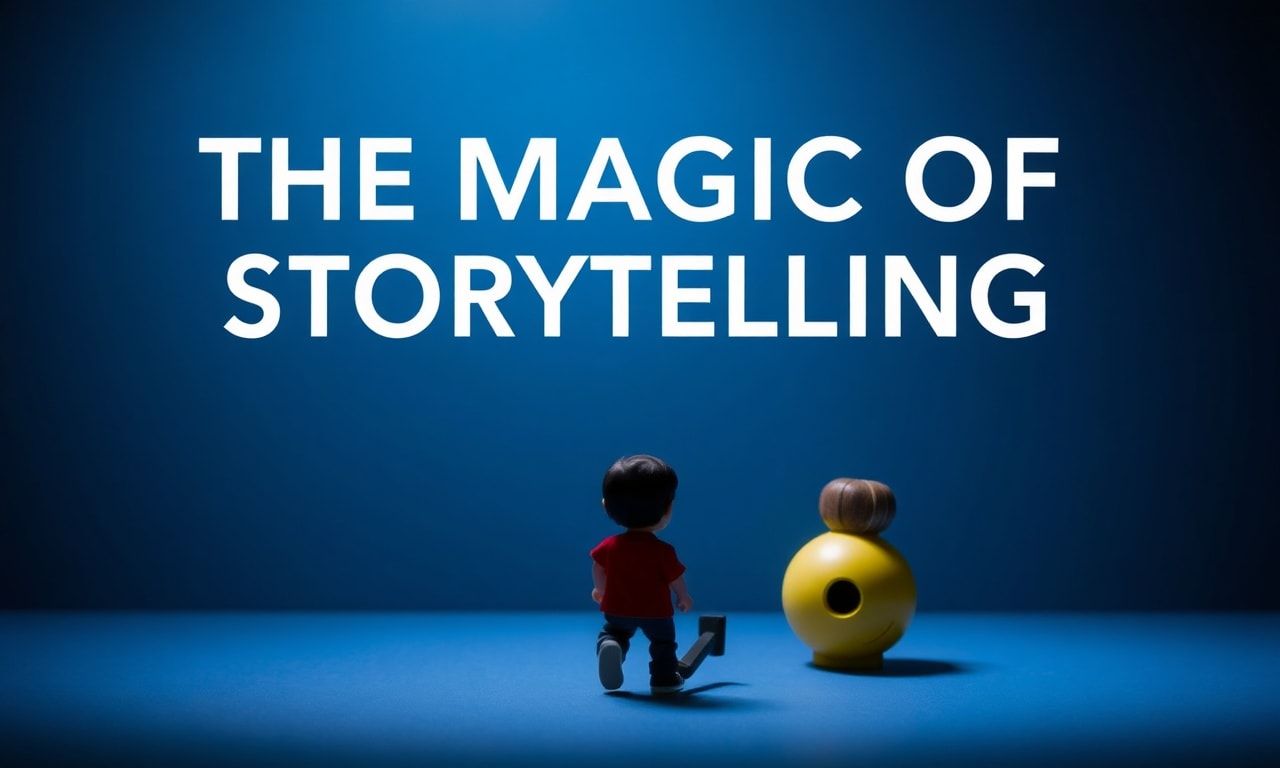
The Power of Storytelling in Children’s Cinema
Storytelling is a timeless art that has the power to captivate, educate, and inspire. In the realm of children’s cinema, this art form takes on a special significance. Kids’ movies are not just about entertainment; they are about shaping young minds, instilling values, and fostering imagination. From classic fairy tales to modern animated epics, these films have the unique ability to transport children to magical worlds while teaching them valuable life lessons.
The Evolution of Kids’ Movies
The landscape of children’s cinema has evolved significantly over the years. Early animated films were often simple and straightforward, focusing on basic storytelling and colorful visuals. However, as animation technology advanced, so did the complexity and depth of the stories being told. Today, kids’ movies are as sophisticated as any live-action film, with intricate plots, well-developed characters, and thought-provoking themes. This evolution has allowed children’s cinema to address a wide range of topics, from environmental conservation to social justice, making it a powerful tool for education and social change.
One of the most notable trends in recent years has been the increasing diversity and representation in kids’ movies. Filmmakers are now more aware of the importance of showcasing different cultures, races, and backgrounds in their stories. This not only helps children from diverse backgrounds see themselves represented on screen but also teaches all children the value of inclusivity and understanding. For example, films like Coco and Moana have been praised for their authentic portrayal of Mexican and Polynesian cultures, respectively, and have sparked important conversations about cultural heritage and identity.
The Impact of Kids’ Movies on Child Development
Research has shown that children’s exposure to high-quality storytelling can have a profound impact on their cognitive, emotional, and social development. Stories help children make sense of the world around them, allowing them to process complex emotions and navigate social situations. By watching characters overcome challenges and learn from their mistakes, children can develop resilience, empathy, and problem-solving skills. Moreover, stories can spark children’s curiosity and creativity, encouraging them to explore new ideas and express themselves in unique ways.
In addition to their educational value, kids’ movies also play a crucial role in family bonding. Watching a film together can be a shared experience that brings families closer, creating lasting memories and fostering open communication. Parents can use these films as a starting point for discussions about important topics, such as friendship, honesty, and perseverance. For instance, a film like The Lion King can be a springboard for conversations about loss, responsibility, and the circle of life, while Inside Out can help children understand and manage their emotions.
The Role of Music and Animation in Kids’ Movies
Music and animation are two of the most powerful tools in a filmmaker’s arsenal when it comes to creating engaging and memorable kids’ movies. A catchy song or a visually stunning sequence can leave a lasting impression on young viewers, making the story more enjoyable and accessible. For example, the music of Disney films, from The Little Mermaid to Frozen, has become a cultural phenomenon, with songs like Let It Go and Under the Sea becoming anthems for generations of children. Similarly, the vibrant animation in films like The Incredibles and Spider-Man: Into the Spider-Verse has pushed the boundaries of what is possible in children’s cinema, creating immersive worlds that captivate young audiences.
However, the use of music and animation in kids’ movies is not just about entertainment. These elements can also be used to enhance the storytelling, making complex themes and emotions more accessible to young viewers. For example, the music in Moana not only sets the tone for the film but also helps to convey the deep emotional connection between the protagonist and her ancestors. Similarly, the animation in Wall-E uses visual storytelling to explore themes of environmentalism and human connection in a way that is both engaging and thought-provoking.
The Future of Kids’ Movies
As technology continues to advance, the future of kids’ movies looks brighter than ever. With the rise of streaming services and digital platforms, children now have access to a wider range of films and shows than ever before. This increased accessibility has allowed for greater diversity in storytelling, with independent filmmakers and smaller studios gaining a platform to share their unique voices. Additionally, advancements in animation technology, such as virtual reality and motion capture, are opening up new possibilities for immersive and interactive storytelling.
Moreover, the ongoing conversations about council decisions this week and other societal issues are also influencing the content of kids’ movies. Filmmakers are increasingly aware of their responsibility to address important topics in a way that is both age-appropriate and impactful. Whether it’s exploring themes of mental health, social justice, or environmental conservation, kids’ movies have the power to shape the values and beliefs of future generations. As such, the role of children’s cinema in society will only continue to grow in importance.
Conclusion
In conclusion, kids’ movies are a powerful tool for storytelling, education, and social change. From their humble beginnings as simple animated shorts to their current status as sophisticated cinematic experiences, these films have the unique ability to captivate, inspire, and educate young audiences. As technology and societal values continue to evolve, so too will the world of children’s cinema, ensuring that it remains a vital and influential part of our cultural landscape for generations to come.
If you’re a fan of futuristic tech in your favorite sci-fi flicks or action-packed video games, you’ll love discovering how Honda’s blending AI and security is making real-world driving feel like a high-stakes mission.
Curious about what’s trending in the world of entertainment? Our latest feature, what’s hot and what’s not, dives into the must-watch movies, binge-worthy TV shows, chart-topping music, and even the hottest gaming trends you won’t want to miss.
Ever wondered how tech is reshaping your favorite movies and games? Dive into entertainment’s digital revolution and see what’s next.