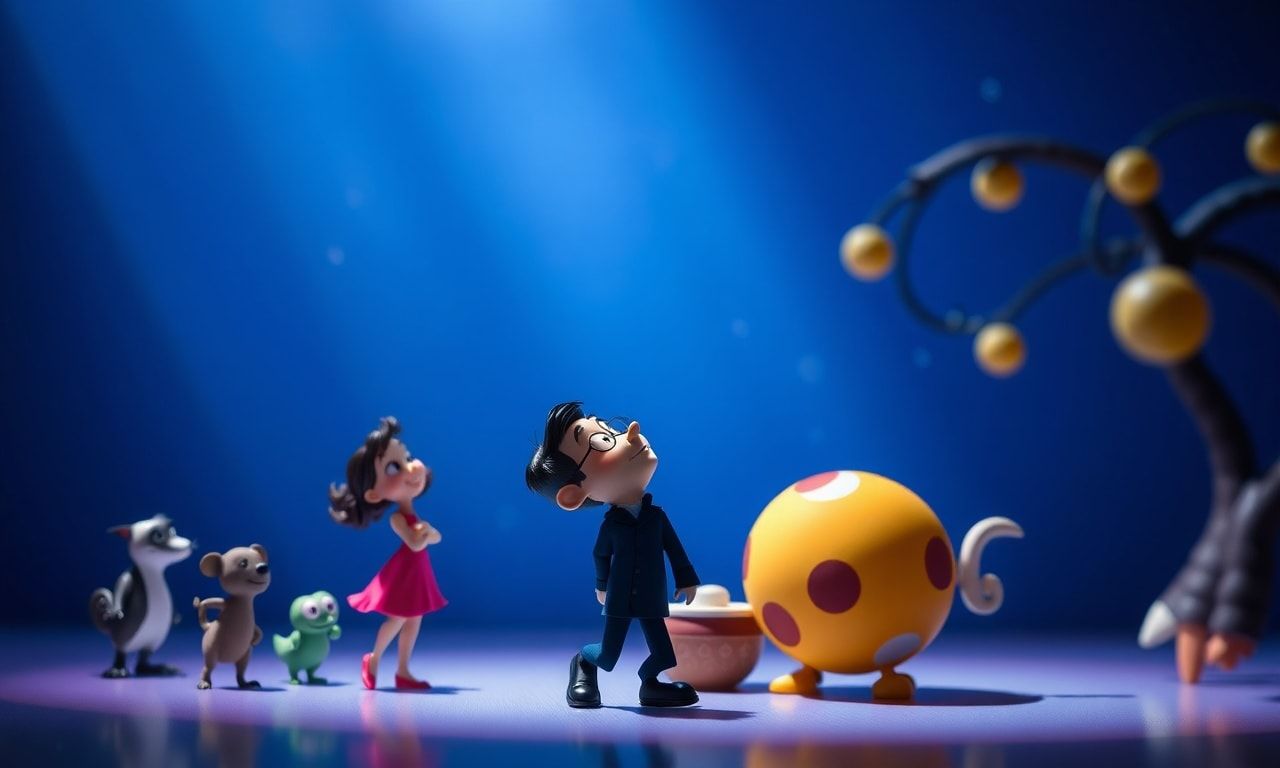
The Timeless Appeal of Animation
Animation has been a cornerstone of the entertainment industry for nearly a century. From the early days of hand-drawn cartoons to the modern era of computer-generated imagery (CGI), animated films have captivated audiences with their vibrant visuals, engaging storylines, and memorable characters. The magic of animation lies in its ability to transport viewers to fantastical worlds, explore complex themes, and evoke a wide range of emotions. Whether it’s the classic Disney princesses, the adventurous heroes of Pixar, or the quirky characters of Studio Ghibli, animated films have a unique power to enchant audiences of all ages.
The Evolution of Animation
The history of animation is a testament to human creativity and technological innovation. The first animated feature film, “El Apóstol,” was created by Argentine animator Quirino Cristiani in 1917. However, it was Walt Disney’s “Snow White and the Seven Dwarfs” in 1937 that truly popularized the medium. This groundbreaking film set the standard for future animated features and paved the way for the golden age of animation. Over the decades, animation has evolved significantly, with advancements in technology allowing for more complex and visually stunning films. The introduction of CGI in the late 20th century revolutionized the industry, enabling animators to create lifelike characters and immersive worlds. Today, animated films continue to push the boundaries of what is possible, blending traditional techniques with cutting-edge technology to create unforgettable cinematic experiences.
The Impact of Animation on Pop Culture
Animated films have had a profound impact on popular culture, shaping the way we view storytelling and entertainment. Iconic characters like Mickey Mouse, Bugs Bunny, and Simba have become cultural touchstones, recognized and beloved by generations of fans. These characters have transcended their original films, appearing in merchandise, theme parks, and even other forms of media. The influence of animation extends beyond the screen, inspiring fashion, art, and even language. Phrases like “Hakuna Matata” and “To Infinity and Beyond” have entered the cultural lexicon, demonstrating the enduring power of animated films to shape our collective consciousness.
Moreover, animated films often tackle important social and political issues, using their unique medium to explore complex themes in a way that is accessible to audiences of all ages. Films like “Zootopia” and “The Prince of Egypt” address topics such as racism, prejudice, and cultural identity, sparking important conversations and fostering empathy and understanding. By blending entertainment with meaningful messages, animated films have the power to inspire change and promote social progress.
The Role of Animation in Education
Animation is not only a source of entertainment but also a valuable educational tool. Animated films and television shows can teach children about history, science, and social skills in an engaging and interactive way. Shows like “Dora the Explorer” and “Blue’s Clues” have been praised for their educational content, helping young viewers develop critical thinking and problem-solving skills. Animated films can also introduce children to different cultures and perspectives, fostering a sense of curiosity and appreciation for the world around them.
In addition to their educational value, animated films can also serve as a source of comfort and support for children facing difficult circumstances. Films like “Inside Out” and “The Lion King” explore themes of loss, grief, and resilience, providing a framework for children to process their emotions and cope with challenging experiences. By addressing these complex topics in a relatable and accessible way, animated films can help children navigate the ups and downs of life.
The Future of Animation
The future of animation is bright, with new technologies and creative approaches continuing to push the boundaries of what is possible. Virtual reality (VR) and augmented reality (AR) are emerging as exciting new platforms for animated storytelling, allowing audiences to immerse themselves in interactive and personalized experiences. The rise of streaming services has also opened up new opportunities for animators, providing a global platform for diverse and innovative content.
As the industry continues to evolve, it is essential to celebrate the rich history and cultural significance of animation. From the early pioneers of the medium to the modern-day innovators, animation has always been a reflection of our collective imagination and creativity. By embracing new technologies and exploring new storytelling techniques, animators can continue to enchant and inspire audiences for generations to come.
In conclusion, the magic of animation lies in its ability to transport us to new worlds, explore complex themes, and evoke a wide range of emotions. Whether you’re a child discovering the wonders of animated films for the first time or an adult revisiting beloved classics, there is something truly special about the power of animation to captivate and inspire. As we look to the future, it is clear that animation will continue to play a vital role in shaping our cultural landscape and enriching our lives in countless ways.
For those interested in the broader impact of entertainment on society, it’s worth exploring how different industries intersect. For instance, the Dundee economic development news update highlights how economic growth can support and foster creative industries, including animation and film production. This interconnectedness underscores the importance of a thriving economy in nurturing artistic innovation and cultural expression.