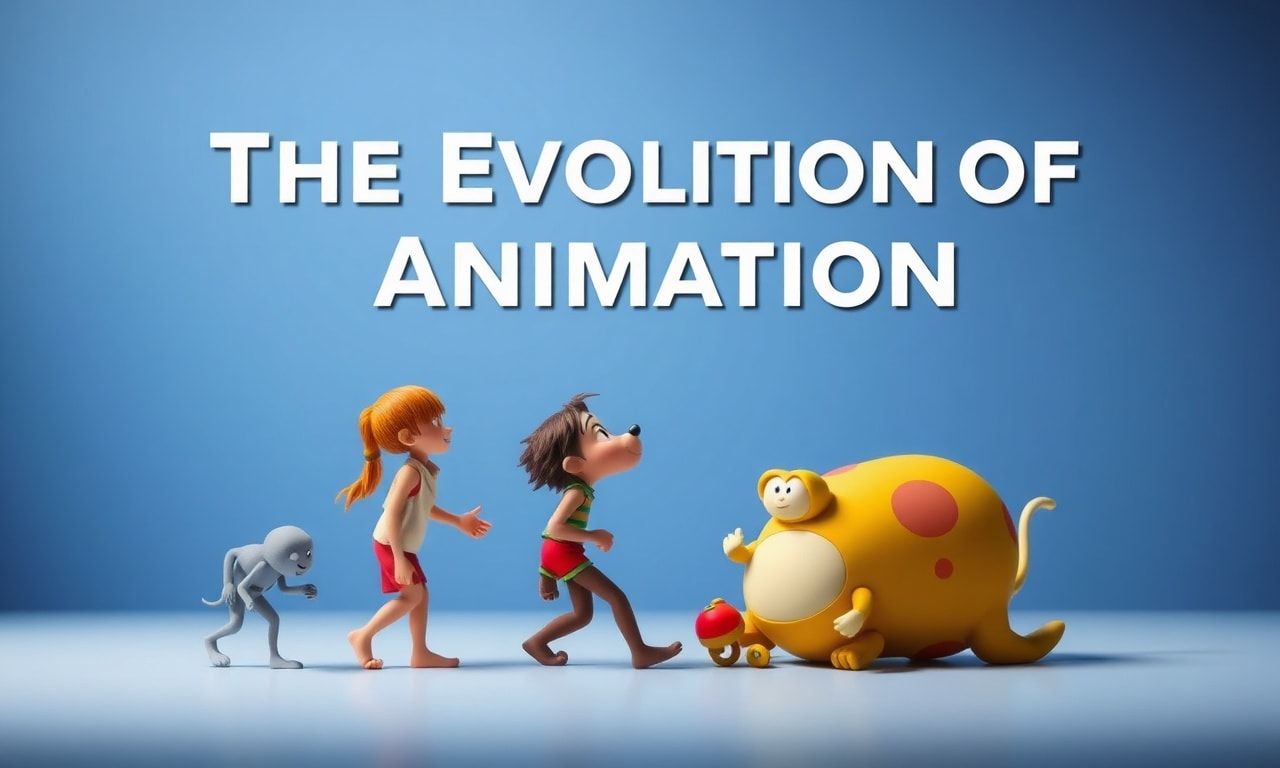
The Magic of Animation
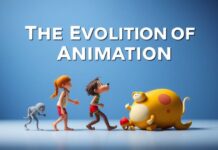
Animation has been a cornerstone of entertainment for over a century, captivating audiences of all ages. From the early days of hand-drawn cel animation to the modern era of computer-generated imagery (CGI), the art of bringing drawings to life has evolved significantly. This evolution has not only changed the way stories are told but also expanded the boundaries of creativity and imagination.
The Golden Age of Hand-Drawn Animation
The early 20th century marked the golden age of hand-drawn animation. Pioneers like Walt Disney revolutionized the industry with classics such as “Snow White and the Seven Dwarfs” (1937), the first full-length animated feature film. This era was characterized by meticulous attention to detail, with animators painstakingly drawing each frame by hand. The process was labor-intensive, but the results were magical, creating timeless stories that continue to enchant audiences today.
During this period, animation studios thrived, producing a plethora of beloved characters and stories. The Looney Tunes and Merrie Melodies series, created by Warner Bros., introduced iconic characters like Bugs Bunny and Daffy Duck, who became household names. These animations were not only entertaining but also showcased the potential of the medium to convey complex emotions and narratives.
The Transition to Computer Animation
As technology advanced, so did the techniques used in animation. The late 20th century saw the introduction of computer animation, which promised to streamline the production process and open up new creative possibilities. One of the earliest examples of this transition was Disney’s “The Black Cauldron” (1985), which used early computer-generated imagery to enhance certain scenes.
The true breakthrough came with the release of “Toy Story” (1995) by Pixar Animation Studios. This groundbreaking film was the first feature-length movie to be entirely created using CGI. The success of “Toy Story” demonstrated the potential of computer animation to create immersive, three-dimensional worlds that were both visually stunning and emotionally engaging. This paved the way for a new era of animation, where digital tools became the norm rather than the exception.
The Impact of CGI on Modern Animation
Today, CGI has become the dominant form of animation, with studios like Pixar, DreamWorks, and Illumination Entertainment producing some of the most successful and critically acclaimed films of our time. The latest news updates today summary often feature new releases and innovative techniques in the world of animation, highlighting the industry’s continuous evolution.
CGI has allowed animators to push the boundaries of what is possible, creating complex characters and environments that would have been impossible to achieve with traditional methods. Films like “Avatar” (2009) and “The Lion King” (2019) have showcased the potential of CGI to create lifelike characters and breathtaking landscapes. This has not only enhanced the visual experience but also allowed for more nuanced storytelling and character development.
The Role of Technology in Animation
The advancements in technology have also democratized the animation process, making it more accessible to a wider range of creators. Software like Adobe Animate and Autodesk Maya have made it easier for independent animators and small studios to produce high-quality content. This has led to a proliferation of animated content across various platforms, from streaming services to social media.
Moreover, the integration of virtual reality (VR) and augmented reality (AR) technologies has opened up new avenues for interactive and immersive storytelling. These technologies allow audiences to step into the animated worlds they love, creating a more engaging and personalized experience. As these technologies continue to evolve, the possibilities for animation are virtually limitless.
The Future of Animation
Looking ahead, the future of animation is bright and full of potential. With the continued advancements in technology, animators will be able to create even more realistic and immersive worlds. The integration of artificial intelligence (AI) and machine learning (ML) is also expected to revolutionize the animation process, making it faster and more efficient.
Additionally, the growing demand for diverse and inclusive storytelling is driving the industry to explore new narratives and perspectives. This is leading to a more representative and dynamic landscape, where stories from different cultures and backgrounds are being brought to life. As the industry continues to evolve, it will be exciting to see how these trends shape the future of animation.
In conclusion, the evolution of animation from hand-drawn to CGI has been a remarkable journey, marked by innovation and creativity. As technology continues to advance, the possibilities for animation are endless, promising a future filled with captivating stories and breathtaking visuals.
Curious about how your favorite movies, shows, and tunes are being transformed? Dive into digital entertainment’s exciting evolution and see how it’s redefining our downtime.
Ever wondered how superhero movies went from campy classics to sprawling cinematic universes? Dive into the fascinating journey with our deep dive into superhero cinema and see how these films have transformed over the decades.
Ever wondered how your favorite celebrities unwind? Discover the futuristic world of Asian massage tech breakthroughs that are revolutionizing relaxation.