The Art of Storytelling
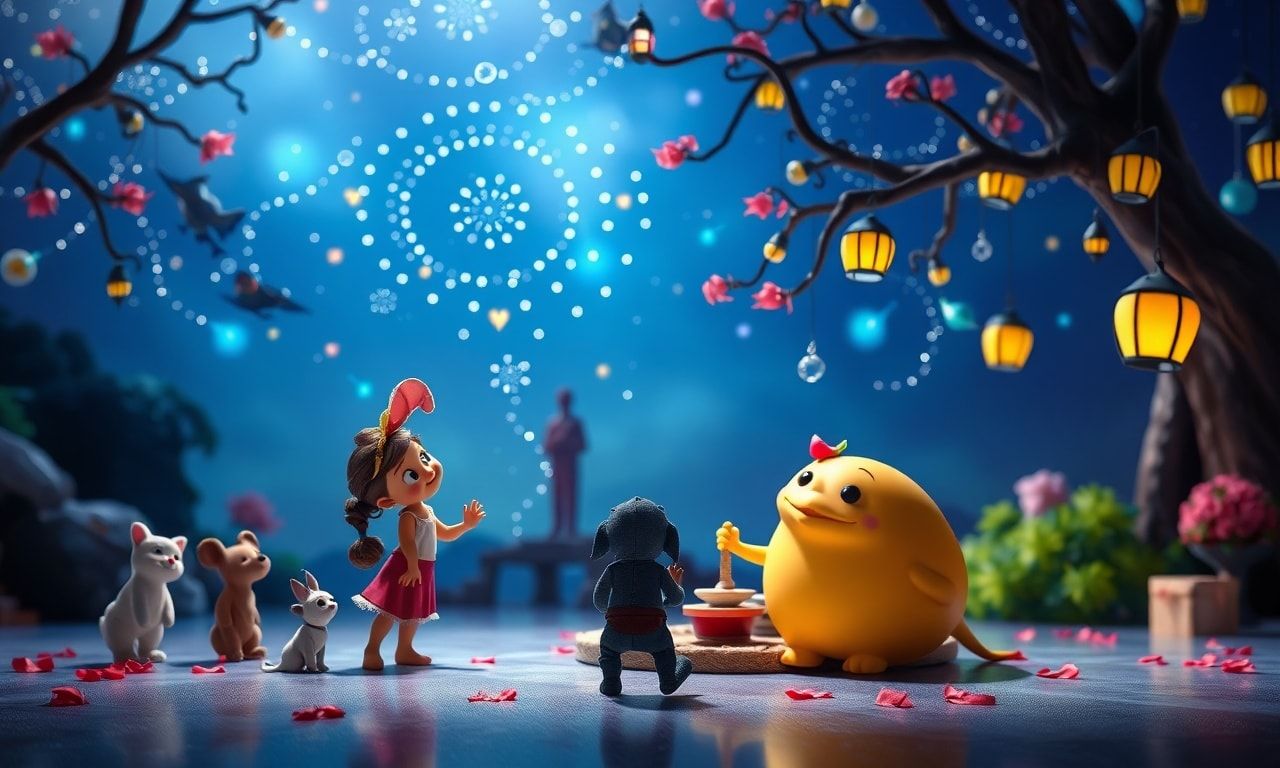
Animation has always been a powerful medium for storytelling. It allows creators to bring to life characters and worlds that would be impossible in live-action. From the whimsical landscapes of Fantasia to the bustling city of Zootopia, animation transcends the boundaries of reality, offering a canvas where imagination knows no limits. This unique form of artistry has captivated audiences for decades, making it a staple in the entertainment industry.
The Evolution of Animation Techniques
The techniques used in animation have evolved significantly over the years. Traditional hand-drawn animation, as seen in classic Disney films like Snow White and the Seven Dwarfs, required painstaking effort and countless frames. The advent of computer-generated imagery (CGI) revolutionized the industry, enabling animators to create more dynamic and detailed scenes. Today, a blend of 2D and 3D animation techniques is often used to achieve the desired visual effects, providing a richer and more immersive experience for viewers.
The Role of Technology
Technology has played a pivotal role in the evolution of animation. Software like Maya and Blender has made it easier for animators to create complex scenes and characters. Motion capture technology, which records the movements of actors and translates them into digital characters, has also become a game-changer. This technology was famously used in films like Avatar and The Polar Express, bringing a new level of realism to animated characters.
The Creative Process
Creating an animated film is a collaborative effort that involves a team of talented individuals. The process begins with a concept or script, which is then developed into storyboards. These storyboards serve as a visual guide for the animators, outlining the key scenes and sequences. Once the storyboards are approved, the animators start working on the characters and backgrounds. This stage involves a lot of creativity and attention to detail, as every frame must be meticulously crafted to bring the story to life.
Voice Acting and Sound Design
Voice acting is another crucial aspect of animation. The voices of the characters often define their personalities and bring depth to the story. Sound design, including background music and sound effects, also plays a significant role in enhancing the viewing experience. A well-crafted soundtrack can evoke emotions, create tension, and add to the overall atmosphere of the film. For instance, the iconic score of Harry Potter films has become synonymous with the magical world of Hogwarts.
The Impact of Animation on Children
Animated films have a profound impact on children. They not only entertain but also educate and inspire. Many animated films tackle important themes like friendship, courage, and perseverance, teaching valuable life lessons in an engaging and accessible way. For example, films like Inside Out explore the complexities of human emotions, helping children understand and manage their feelings. Additionally, animated films often feature diverse characters and settings, promoting cultural awareness and inclusivity.
Moreover, animated films can also influence children’s interests and aspirations. Many children dream of becoming animators, voice actors, or even the characters they admire on screen. This inspiration can lead to a lifelong passion for the arts and creativity. It’s not just about entertainment; it’s about shaping young minds and fostering a love for storytelling and imagination.
Educational Value
Animated films can also serve as educational tools. They can introduce children to historical events, scientific concepts, and cultural traditions in a fun and engaging manner. For instance, The Lion King can be used to teach children about the circle of life and the importance of respecting nature. Similarly, Wall-E can spark discussions about environmental issues and the impact of human activity on the planet. By integrating educational content into entertaining narratives, animated films can make learning a enjoyable experience.
The Business of Animation
The animation industry is a multi-billion-dollar business, with major studios like Disney, Pixar, and DreamWorks leading the way. These studios invest heavily in technology and talent to produce high-quality animated films that captivate audiences worldwide. The success of these films often depends on a combination of compelling storytelling, innovative animation techniques, and effective marketing strategies.
One interesting aspect of the animation industry is the impact of location on production costs. For example, the Rotorua housing market rent prices can influence the cost of living for animators and studio personnel, which in turn affects the overall production budget. Studios often consider these factors when deciding where to set up their operations, aiming to balance quality and cost-effectiveness.
Global Reach and Cultural Influence
Animated films have a global reach, transcending language and cultural barriers. They are often dubbed or subtitled to cater to international audiences, making them accessible to children and families worldwide. This global appeal has led to the creation of iconic characters and franchises that have become part of popular culture. For instance, characters like Mickey Mouse, SpongeBob SquarePants, and Pikachu are recognized and loved by children and adults alike, regardless of their cultural background.
Furthermore, animated films often draw inspiration from various cultures and traditions, enriching the storytelling process. For example, Moana incorporates Polynesian mythology and traditions, providing a unique and authentic cultural perspective. This not only enhances the viewing experience but also promotes cultural exchange and understanding.
If you’re craving a dose of entertainment, dive into our latest feature on movies, music, and games that will keep you glued to your screen.
If you’re a pop culture enthusiast, don’t miss our latest dive into entertainment world updates, covering everything from blockbuster movies to chart-topping hits.
If you’re curious about how technology is transforming education, you’ll love discovering how high-tech tools are making waves in Turkish classrooms—check out Turkey’s edtech revolution for an inspiring look at the future of learning.