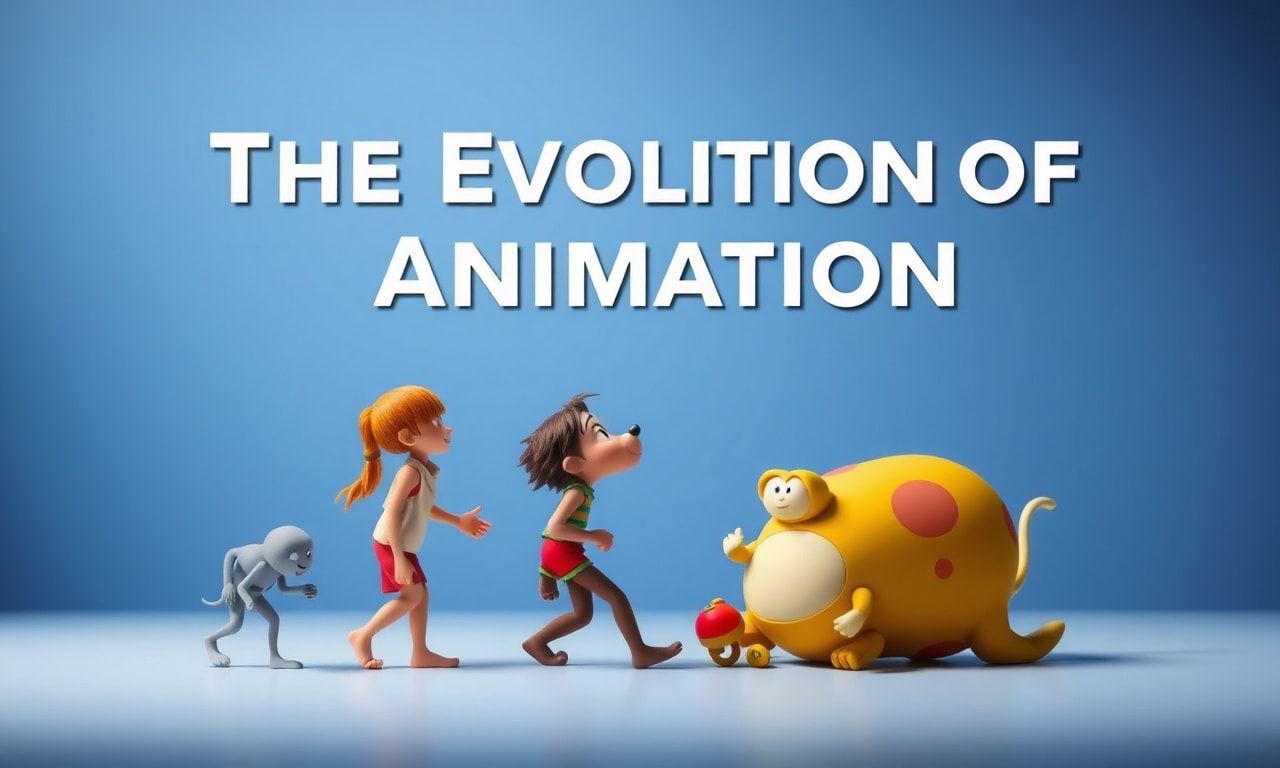
The Golden Age of Hand-Drawn Animation
The world of animation has come a long way since its inception. The early 20th century marked the golden age of hand-drawn animation, with studios like Walt Disney producing timeless classics that captivated audiences of all ages. These films, created with painstaking attention to detail, laid the foundation for the animation industry. The process involved thousands of individual drawings, each slightly different from the last, to create the illusion of movement. This labor-intensive method required immense skill and patience, making each frame a work of art.
Iconic films like ‘Snow White and the Seven Dwarfs’ (1937) and ‘Cinderella’ (1950) are testaments to the creativity and dedication of animators during this era. These movies not only entertained but also set the standard for storytelling in animation. The hand-drawn technique allowed for a unique artistic style that is still celebrated today. Despite the advent of new technologies, many artists continue to appreciate and practice this traditional form of animation.
The Rise of Computer Animation
As technology advanced, so did the methods of animation. The late 20th century saw the rise of computer animation, which revolutionized the industry. This new technique allowed animators to create more complex and visually stunning scenes with greater efficiency. The introduction of CGI (Computer-Generated Imagery) opened up a world of possibilities, enabling the creation of realistic and fantastical elements that were previously unimaginable.
Pixar’s ‘Toy Story’ (1995) marked a significant milestone in the history of animation. As the first feature film to be entirely created using CGI, it demonstrated the potential of computer animation. The film’s success paved the way for future CGI projects, inspiring a new generation of animators and filmmakers. The transition from hand-drawn to computer animation was not without its challenges, but the results were undeniably impressive. Today, CGI is the dominant form of animation in the industry, with films like ‘Frozen’ and ‘The Lion King’ (2019) showcasing the incredible capabilities of this technology.
The Impact of Animation on Popular Culture
Animation has had a profound impact on popular culture, influencing everything from fashion to sports. Characters like Mickey Mouse and Hello Kitty have become global icons, transcending the boundaries of their original mediums. These characters have appeared in merchandise, advertisements, and even sports events, becoming a part of everyday life. The influence of animation can also be seen in the world of sports, where animated mascots and graphics are used to enhance the fan experience. For instance, many New York sports clubs results are accompanied by animated graphics that bring the excitement of the game to life.
The animation industry has also played a significant role in shaping the entertainment landscape. Animated films and TV shows have introduced audiences to new worlds and stories, often addressing complex themes and issues in a way that is accessible and engaging. Shows like ‘Avatar: The Last Airbender’ and ‘Gravity Falls’ have tackled topics such as identity, friendship, and environmentalism, resonating with viewers of all ages. The ability of animation to convey deep and meaningful messages has made it a powerful tool for storytelling and social commentary.
The Future of Animation
The future of animation is bright and full of possibilities. Advances in technology continue to push the boundaries of what is possible in the world of animation. Virtual reality (VR) and augmented reality (AR) are emerging as new frontiers, offering immersive experiences that blur the line between the real and the animated worlds. These technologies allow viewers to step into the worlds of their favorite characters, creating a more interactive and engaging experience.
Artificial intelligence (AI) is another area that is poised to revolutionize the animation industry. AI algorithms can assist animators in creating more realistic and detailed animations, reducing the time and effort required for complex tasks. This technology has the potential to streamline the animation process, allowing artists to focus on creativity and innovation. As AI continues to evolve, it will likely become an integral part of the animation workflow, enabling the creation of even more stunning and immersive worlds.
The Role of Animation in Education
Animation is not only a form of entertainment but also a valuable educational tool. Animated videos and interactive content can make learning more engaging and accessible, especially for younger audiences. Educational animations can simplify complex concepts, making them easier to understand and remember. Subjects like science, history, and mathematics can be brought to life through animation, capturing the attention of students and fostering a deeper understanding of the material.
Many educational institutions and online platforms are leveraging the power of animation to enhance the learning experience. Websites like Khan Academy and Crash Course use animated videos to explain a wide range of topics, from basic arithmetic to advanced physics. These resources are particularly useful for visual learners, who benefit from the combination of visual and auditory information. As technology continues to advance, the role of animation in education is likely to grow, providing new and innovative ways to teach and learn.
Ever wondered how the shifting education landscape might impact the next generation of creatives? Dive into policy shifts and community effects and see how it could shape the future of movies, music, and more.
Ever wondered how a city’s evolution can inspire the next big blockbuster or chart-topping hit? Dive into Wolfsburg’s transformative journey and uncover the backdrop for tomorrow’s entertainment scene.
Between binge-watching and gaming marathons, don’t forget to invest in your future – check out smart money management tips to keep your finances as thrilling as your entertainment choices!