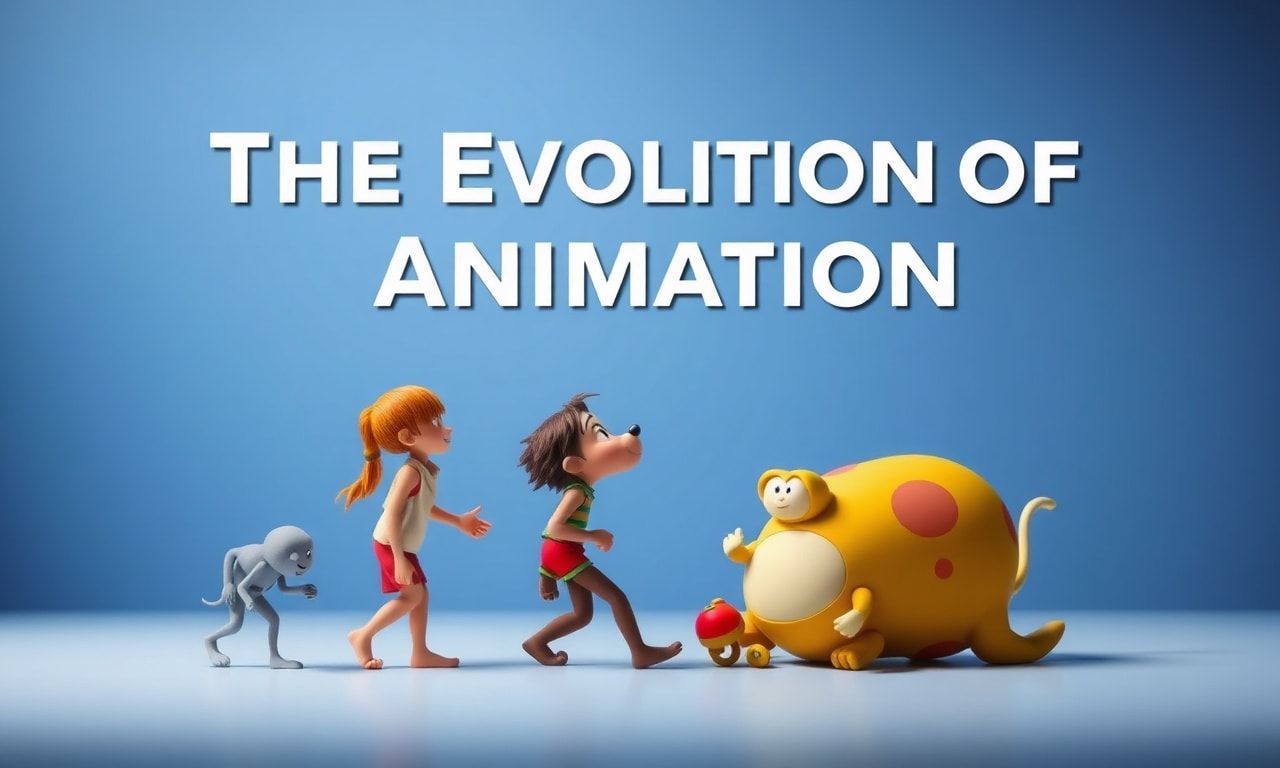
The Golden Age of Animation
The world of animation has come a long way since its inception. The early 20th century marked the golden age of hand-drawn animation, with studios like Disney leading the charge. Classics like ‘Snow White and the Seven Dwarfs’ (1937) set the stage for a new form of storytelling that captivated audiences of all ages. This era was characterized by painstakingly crafted frames, each drawn by hand, bringing to life beloved characters and enchanting narratives.
The golden age was not just about Disney; other studios like Warner Bros. and Fleischer Studios contributed significantly with their own iconic characters. Bugs Bunny, Betty Boop, and Popeye became household names, each representing the unique artistic styles and storytelling techniques of their respective studios. These animations laid the foundation for the industry, proving that cartoons were not just for children but could entertain and inspire people of all ages.
The Rise of Television Animation
As television became more prevalent in households, animation found a new medium to thrive in. The 1950s and 1960s saw a boom in television animation, with shows like ‘The Flintstones’ and ‘Scooby-Doo’ becoming cultural phenomena. These shows were often produced with limited animation techniques, focusing more on storytelling and character development rather than intricate visuals. This shift allowed for more complex narratives and a broader range of genres, from comedy to adventure.
Television animation also introduced the concept of serialized storytelling, where characters and plots developed over multiple episodes. This approach allowed for deeper character arcs and more engaging storylines, appealing to a wider audience. Shows like ‘The Simpsons’ and ‘South Park’ further pushed the boundaries of what animation could achieve, tackling mature themes and social issues with wit and humor. These shows demonstrated that animation was a versatile medium capable of addressing a wide range of topics.
The Digital Revolution
The advent of computer technology in the late 20th century revolutionized the animation industry. Studios began experimenting with digital tools, leading to the creation of groundbreaking films like ‘Toy Story’ (1995). This film marked the first feature-length animated movie to be entirely created using computer-generated imagery (CGI), setting a new standard for the industry. The success of ‘Toy Story’ paved the way for a new era of animation, where digital technology allowed for more complex visuals and immersive storytelling.
The digital revolution also brought about significant changes in the production process. Animators could now create detailed 3D models and environments, allowing for a level of realism and depth previously unattainable. This shift also made the animation process more efficient, reducing the time and cost associated with traditional hand-drawn techniques. As a result, studios could produce more content, catering to a growing demand for animated films and television shows.
The Modern Era of Animation
Today, animation is more diverse and innovative than ever before. With the rise of streaming services and digital platforms, animators have more opportunities to showcase their work. Shows like ‘Avatar: The Last Airbender’ and ‘Arcane’ have gained massive followings, thanks to their unique art styles and compelling storytelling. These shows demonstrate the continued relevance and appeal of animation, even in an era dominated by live-action content.
The modern era has also seen a rise in independent animation, with creators using platforms like YouTube and Vimeo to share their work. This democratization of the medium has led to a wealth of creative content, from short films to web series. It has also allowed for greater diversity in representation, with more stories and characters reflecting the experiences of underrepresented groups. This inclusivity has enriched the animation landscape, making it more vibrant and dynamic.
The Future of Animation
Looking ahead, the future of animation is bright and full of possibilities. Advances in technology, such as virtual reality (VR) and augmented reality (AR), are opening up new avenues for storytelling. Animators are exploring these technologies to create immersive experiences that blur the line between reality and fiction. These innovations promise to take animation to new heights, offering audiences unprecedented levels of engagement and interaction.
Additionally, the continued growth of streaming services and digital platforms will likely lead to more opportunities for animators. With a global audience at their fingertips, creators can reach wider audiences and share their unique visions. This global reach also fosters cultural exchange, allowing for the sharing of diverse stories and perspectives. As the industry evolves, it will be exciting to see how animators continue to push the boundaries of what is possible, creating new and innovative content that captivates audiences worldwide.
For those interested in staying updated on the latest trends and news in the entertainment industry, be sure to check out the empfohlene Artikel Leseliste for a curated selection of articles and insights.
If you’re a fan of thrilling narratives and underdog stories, you’ll love diving into Nigeria’s football journey, a tale packed with drama, triumph, and resilience that rivals any blockbuster movie or hit TV series.
Curious about the latest buzz in entertainment? Dive into our current entertainment highlights to stay updated on movies, music, and more!
Ever wondered how your favorite games and movies reflect the world’s diverse cultures? Dive into our latest feature, art’s cultural crossroads, to uncover the fascinating connections.