The Golden Age of Animation
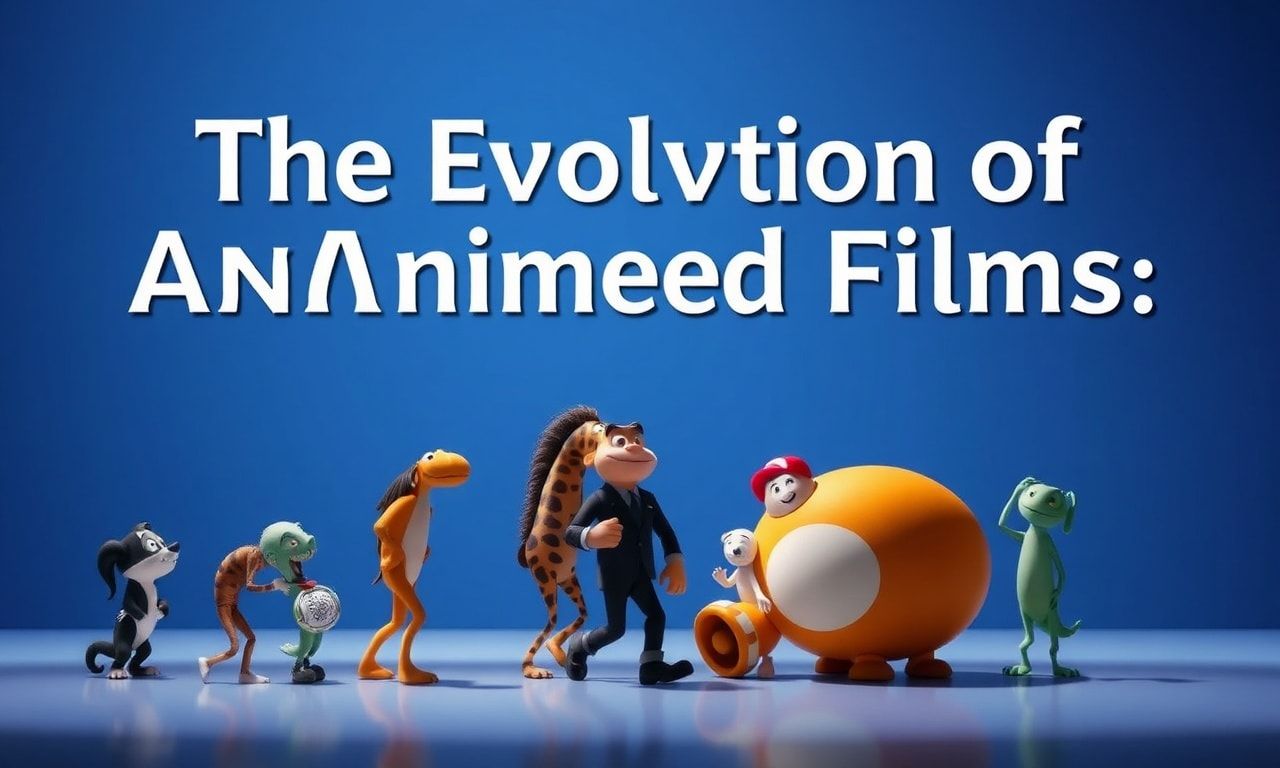
The world of animated movies has come a long way since the early days of hand-drawn classics like Disney’s “Snow White and the Seven Dwarfs” in 1937. This golden age of animation set the stage for what was to come, introducing us to beloved characters and enchanting stories that have stood the test of time. The meticulous process of hand-drawing each frame was a labor of love, requiring countless hours of dedication from talented artists.
The Transition to Computer Animation
As technology advanced, so did the methods used to create animated films. The late 20th century saw the rise of computer animation, with films like “Toy Story” in 1995 marking a significant milestone. This transition allowed animators to explore new creative possibilities, resulting in more dynamic and visually stunning films. The shift from hand-drawn to computer-generated imagery (CGI) opened up a world of opportunities for storytellers and artists alike.
The Impact of CGI on Storytelling
CGI has revolutionized the way stories are told in animated movies. The ability to create intricate worlds and lifelike characters has enabled filmmakers to push the boundaries of imagination. From the underwater adventures of “Finding Nemo” to the magical realms of “How to Train Your Dragon,” CGI has allowed for a level of detail and realism that was previously unimaginable. This technological advancement has not only enhanced the visual experience but also deepened the emotional impact of these films.
Moreover, the integration of CGI with other technologies, such as motion capture, has further enriched the storytelling process. Films like “Avatar” and “The Jungle Book” have showcased the potential of these technologies, blending live-action with animation to create seamless and immersive worlds. This fusion of techniques has set new standards for the industry, inspiring future generations of animators and filmmakers.
The Role of Animation in Modern Entertainment
Animated movies have become a staple in modern entertainment, appealing to audiences of all ages. The genre has evolved to encompass a wide range of themes and genres, from family-friendly comedies to thought-provoking dramas. This diversity has allowed animated films to reach a broader audience, making them a significant part of the entertainment landscape. The success of films like “Frozen” and “The Incredibles” has demonstrated the enduring appeal of animation, proving that it is not just for children but for everyone.
The Influence of Animation on Other Media
The impact of animated movies extends beyond the silver screen. They have influenced various forms of media, including television shows, video games, and even sports analysis. For instance, the detailed animations used in sports broadcasts have enhanced the viewing experience, providing fans with insightful analyses and predictions. Websites like spor analizi uzman tahminleri utilize advanced animation techniques to break down complex plays and strategies, making the sport more accessible and engaging for fans.
The Future of Animation
The future of animation looks bright, with ongoing advancements in technology and creativity. Virtual reality (VR) and augmented reality (AR) are poised to revolutionize the way we experience animated films, offering immersive and interactive storytelling experiences. These technologies have the potential to transport audiences into the worlds of their favorite characters, creating a more personal and engaging connection.
Emerging Technologies in Animation
Emerging technologies such as artificial intelligence (AI) and machine learning are also making waves in the animation industry. AI can assist in the creation of realistic animations, while machine learning algorithms can help streamline the production process. These innovations are expected to make animation more efficient and cost-effective, allowing for greater creativity and experimentation. As these technologies continue to evolve, we can expect to see even more groundbreaking films and experiences.
Conclusion
The evolution of animated movies from hand-drawn classics to CGI masterpieces is a testament to the power of innovation and creativity. As technology continues to advance, the possibilities for storytelling in animation are endless. Whether it’s through the use of VR, AR, AI, or other emerging technologies, the future of animation is sure to be exciting and full of surprises. One thing is certain: animated movies will continue to captivate audiences and inspire future generations of storytellers.