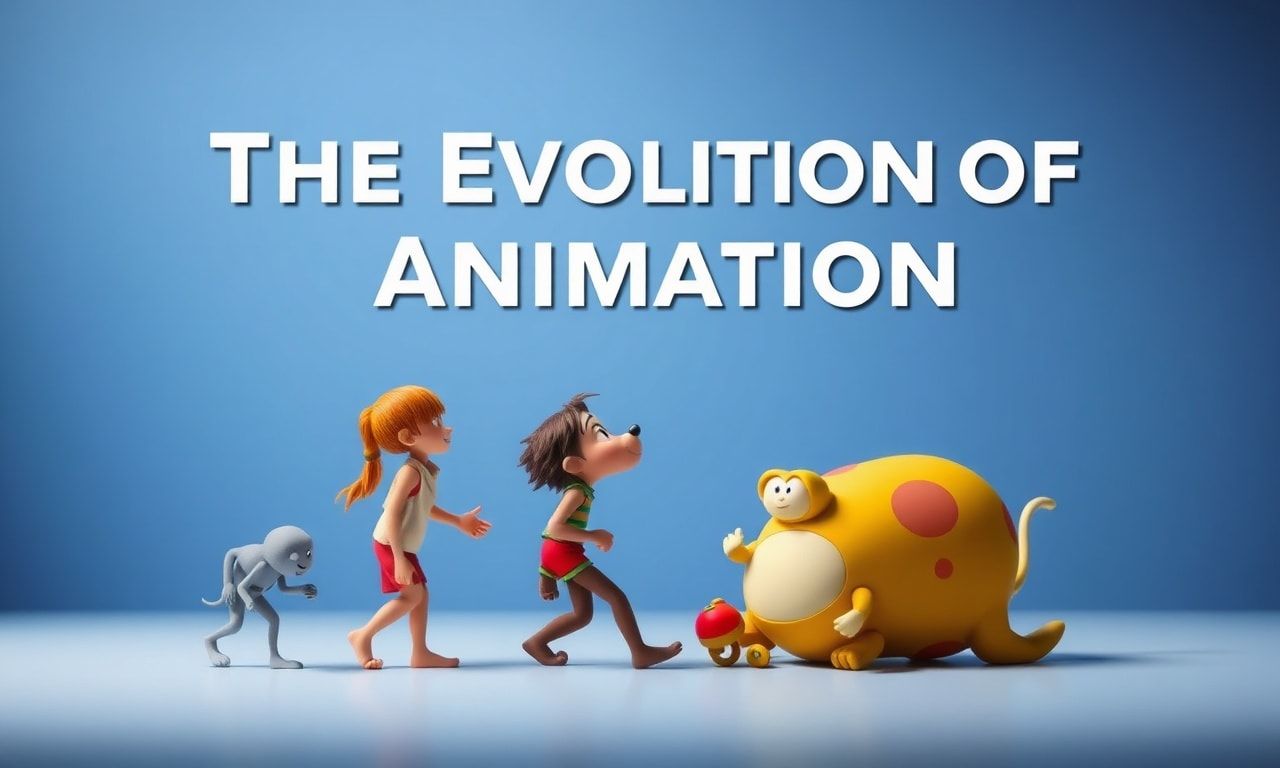
The Magic of Animation
Animation has been a cornerstone of entertainment for over a century, captivating audiences of all ages. From the early days of hand-drawn cel animation to the modern marvels of computer-generated imagery (CGI), the art of bringing drawings to life has evolved tremendously. This evolution has not only changed the way stories are told but also how we perceive and enjoy entertainment. Whether it’s through movies, TV shows, or even video games, animation continues to be a vital part of our cultural landscape.
The Golden Age of Hand-Drawn Animation
The early 20th century marked the beginning of what is often referred to as the Golden Age of Animation. Pioneers like Walt Disney revolutionized the industry with groundbreaking films such as “Snow White and the Seven Dwarfs” (1937), the first full-length animated feature film. This era was characterized by meticulous hand-drawn techniques, where artists would painstakingly create each frame by hand. The process was labor-intensive and time-consuming, but the results were magical, bringing beloved characters to life in ways that were previously unimaginable.
During this period, animation studios like Disney, Warner Bros., and Fleischer Studios produced iconic characters that have become synonymous with the art form. Mickey Mouse, Bugs Bunny, and Popeye are just a few examples of characters that have left an indelible mark on popular culture. These characters not only entertained but also taught valuable lessons about friendship, bravery, and perseverance, making them timeless figures in the world of entertainment.
The Transition to Television
As television became more prevalent in the mid-20th century, animation found a new platform to reach even wider audiences. Shows like “The Flintstones” and “Scooby-Doo” brought animated stories into living rooms across the globe, making animation a staple of family entertainment. This transition also led to the development of new techniques and technologies, such as limited animation, which allowed for faster and more cost-effective production.
The rise of television animation also paved the way for more diverse storytelling. While early animated films often focused on fairy tales and fantasy, TV shows began to explore a wider range of genres, from comedy to science fiction. This diversity allowed animators to experiment with different styles and narratives, pushing the boundaries of what was possible in the medium.
The Digital Revolution
The late 20th century saw the advent of computer technology, which would forever change the landscape of animation. The introduction of CGI allowed animators to create more complex and realistic images, opening up new possibilities for storytelling. Films like “Toy Story” (1995) marked a significant milestone in the evolution of animation, proving that computer-generated imagery could be used to create emotionally resonant and visually stunning stories.
The digital revolution also brought about a shift in the production process. Traditional hand-drawn techniques were supplemented, and in some cases replaced, by digital tools and software. This allowed for greater precision and efficiency, enabling animators to create more intricate and detailed animations. The rise of CGI also led to the development of new genres and styles, such as 3D animation, which has become a dominant force in the industry.
The Impact of Technology on Health and Entertainment
As technology continues to advance, the impact on both the entertainment industry and our daily lives becomes more pronounced. For instance, the integration of health news updates daily into our digital consumption habits has changed how we stay informed. Similarly, the way we engage with animated content has evolved, with streaming services and virtual reality offering new ways to experience stories. The intersection of technology and entertainment continues to push the boundaries of what is possible, creating immersive and engaging experiences for audiences worldwide.
The Future of Animation
Looking ahead, the future of animation is bright and full of potential. Advances in technology, such as artificial intelligence and virtual reality, are poised to revolutionize the way stories are told. These technologies have the potential to create even more immersive and interactive experiences, allowing audiences to engage with animated content in ways that were previously unimaginable.
Additionally, the increasing diversity of voices in the industry is leading to a richer and more inclusive range of stories. As more animators from different backgrounds and cultures enter the field, we can expect to see a wider variety of narratives and perspectives represented in animated content. This diversity not only enriches the art form but also helps to foster a more inclusive and understanding society.
The evolution of animation is a testament to the power of storytelling and the endless possibilities that technology offers. From the early days of hand-drawn cel animation to the modern marvels of CGI, the art of bringing drawings to life continues to captivate and inspire audiences around the world. As we look to the future, the potential for innovation and creativity in animation is limitless, promising even more magical and unforgettable experiences for generations to come.
Ever wondered how tech is revolutionizing your favorite pastimes? Dive into entertainment’s digital frontier and discover the thrilling future of movies, music, and gaming.
Ever wondered how your favorite movie car chases could become a reality in your hometown? Dive into the fascinating world of automotive innovation and infrastructure to see how tech is transforming our streets.
If you’re a fan of the vibrant world of entertainment, don’t miss our latest piece on pop culture’s unforgettable moments that have shaped movies, music, and more.