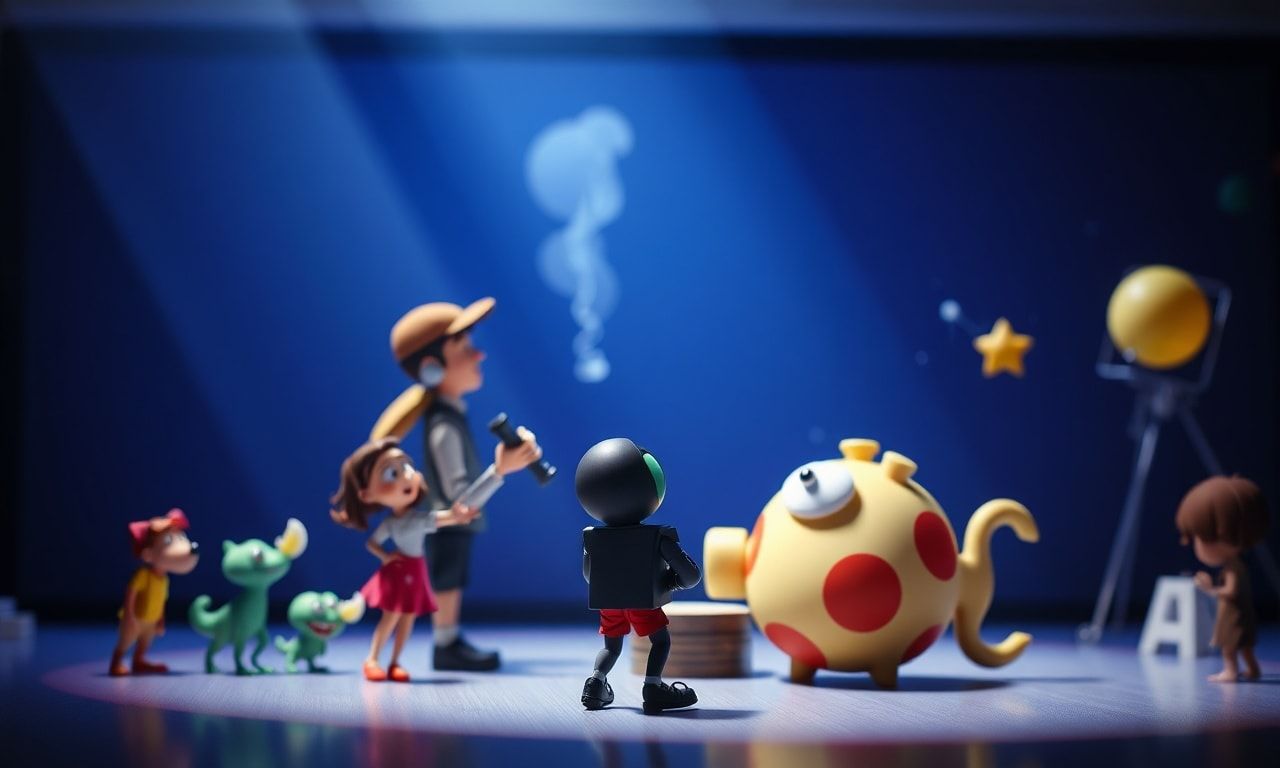
The Timeless Appeal of Animated Films
Animated films have been a staple in the entertainment industry for decades, captivating audiences of all ages with their vibrant colors, engaging storylines, and memorable characters. For children, these films are more than just a source of entertainment; they are a gateway to imagination, creativity, and learning. The magic of animation lies in its ability to bring stories to life in a way that resonates deeply with young viewers, making it a beloved genre in the world of kids’ movies.
The Evolution of Animation
The history of animation is rich and diverse, evolving from simple hand-drawn cartoons to the sophisticated computer-generated imagery (CGI) we see today. Pioneers like Walt Disney revolutionized the industry with classics such as “Snow White and the Seven Dwarfs” and “The Lion King,” setting the stage for future innovations. As technology advanced, so did the quality and complexity of animated films, allowing creators to explore new storytelling techniques and visual effects. Today, animated films are not only entertaining but also visually stunning, offering a feast for the eyes and the mind.
From Hand-Drawn to CGI
The transition from traditional hand-drawn animation to CGI has been a game-changer in the industry. Films like “Toy Story” and “Finding Nemo” showcased the potential of CGI, opening up new possibilities for storytelling and character development. This shift has allowed animators to create more dynamic and realistic worlds, immersing young audiences in fantastical adventures. The blend of artistry and technology has elevated animated films to new heights, making them a cornerstone of modern entertainment.
The Impact of Animated Films on Children
Animated films play a crucial role in the development of young minds, offering valuable lessons about friendship, courage, and perseverance. Characters like Elsa from “Frozen” and Simba from “The Lion King” teach children about the importance of self-belief and responsibility. These stories often tackle complex themes in a way that is accessible and relatable to young audiences, fostering emotional intelligence and empathy. Additionally, animated films can introduce children to different cultures and perspectives, broadening their understanding of the world around them.
Educational Value
Beyond entertainment, animated films can be a powerful educational tool. Many films incorporate educational elements, such as historical events or scientific concepts, in a fun and engaging manner. For example, “The Peanuts Movie” subtly teaches children about friendship and resilience, while “Wall-E” highlights environmental issues in a way that is both entertaining and thought-provoking. By blending education with entertainment, animated films can make learning an enjoyable experience for children.
The Role of Music in Animated Films
Music is an integral part of animated films, enhancing the emotional impact and memorability of the stories. Iconic songs like “Let It Go” from “Frozen” and “Hakuna Matata” from “The Lion King” have become anthems that transcend the films themselves, resonating with audiences of all ages. The collaboration between composers, lyricists, and animators creates a harmonious blend of visuals and sound, making the viewing experience more immersive. Music in animated films not only sets the mood but also helps to convey the themes and messages of the story effectively.
Memorable Soundtracks
Some of the most memorable moments in animated films are accompanied by unforgettable soundtracks. Whether it’s the uplifting tunes of “Moana” or the nostalgic melodies of “Toy Story,” these songs have the power to evoke strong emotions and create lasting memories. The collaboration between talented musicians and animators ensures that the music complements the visuals, creating a cohesive and engaging experience for viewers. For many children, these songs become a part of their childhood, reminding them of the joy and wonder they felt while watching their favorite films.
The Future of Animation
The future of animation is bright, with advancements in technology and storytelling techniques paving the way for even more innovative and captivating films. Virtual reality (VR) and augmented reality (AR) are emerging as new frontiers in animation, offering immersive experiences that blur the line between fantasy and reality. Additionally, the rise of streaming platforms has made animated films more accessible than ever, allowing children to enjoy a wide range of content from the comfort of their homes. As the industry continues to evolve, animated films will undoubtedly remain a beloved and influential part of children’s entertainment.
For those interested in staying updated on the latest trends and news in the entertainment industry, including local news updates for London neighborhoods, local news updates for London neighborhoods can be a valuable resource. Whether it’s the latest film releases or cultural events, staying informed can enhance the overall entertainment experience.
Innovations and Trends
Innovations in animation technology are constantly pushing the boundaries of what is possible. Techniques like motion capture and 3D modeling allow animators to create more realistic and expressive characters, enhancing the emotional depth of the stories. Additionally, the increasing diversity in storytelling is reflecting a broader range of cultures and experiences, making animated films more inclusive and relatable. As the industry continues to embrace new technologies and creative approaches, the future of animation looks promising and exciting.