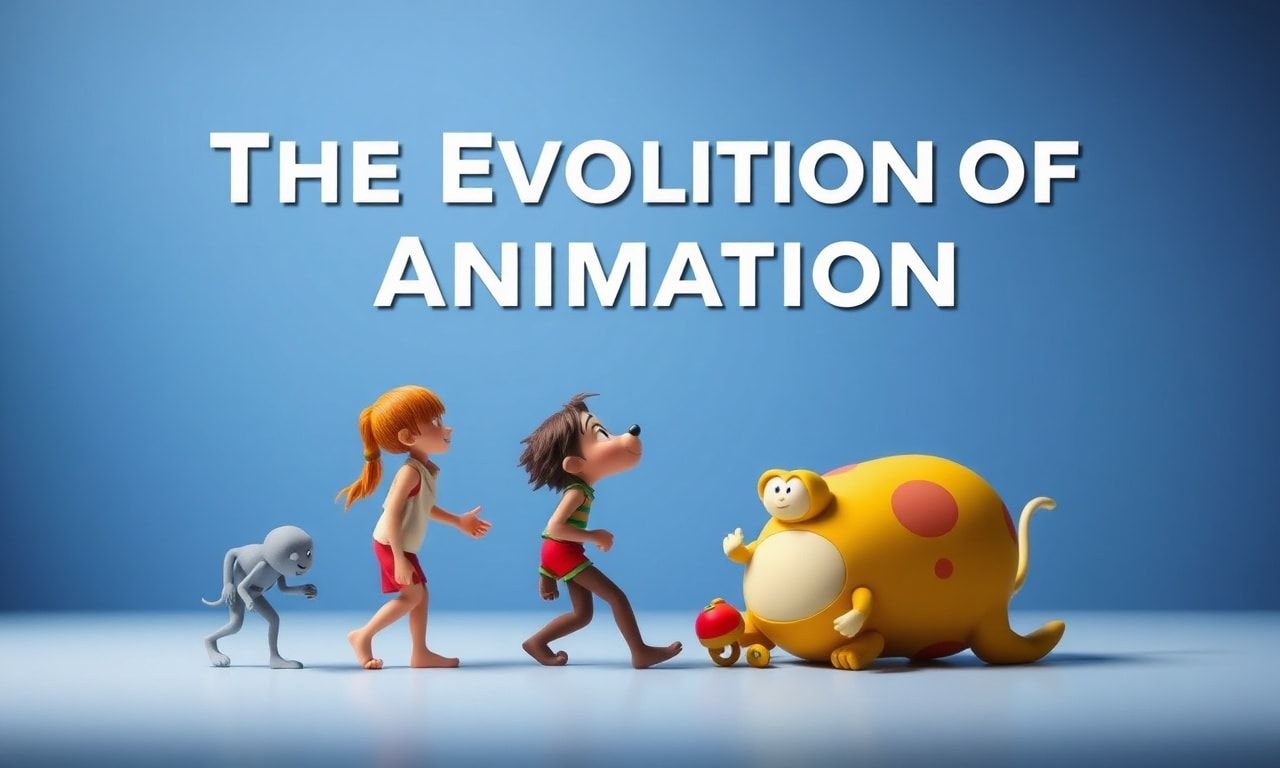
The Golden Age of Animation
The world of animation has come a long way since its inception. The early days of animation were marked by hand-drawn cel animation, a technique that brought us some of the most beloved characters in entertainment history. Studios like Disney, Warner Bros., and Hanna-Barbera dominated this era, producing timeless classics that continue to captivate audiences today. The meticulous process of hand-drawing each frame required immense skill and patience, making these early animators true artists of their craft.
During this period, animation was primarily used for feature films and short subjects. The introduction of Technicolor added a new dimension to animation, making films like Snow White and the Seven Dwarfs and The Wizard of Oz visually stunning masterpieces. The golden age of animation laid the foundation for the industry, setting the stage for future innovations and technological advancements.
The Rise of Television Animation
As television became more prevalent in households, animation found a new platform to thrive. The 1950s and 1960s saw the rise of television animation, with shows like The Flintstones and Scooby-Doo becoming household names. These shows were produced using limited animation techniques, which allowed for faster and more cost-effective production. Despite the limitations, these cartoons captured the hearts of children and adults alike, proving that animation could be a powerful medium for storytelling.
The 1980s and 1990s brought a renaissance in television animation, with shows like The Simpsons, Rugrats, and Batman: The Animated Series pushing the boundaries of what animation could achieve. These shows tackled complex themes and featured intricate storytelling, appealing to a wider demographic. The success of these programs demonstrated the growing influence of animation in popular culture and paved the way for future generations of animators.
The Digital Revolution
The advent of computer technology in the late 20th century revolutionized the animation industry. The introduction of computer-generated imagery (CGI) allowed animators to create more dynamic and realistic visuals. Films like Toy Story and Shrek showcased the potential of CGI, captivating audiences with their innovative use of technology. The digital revolution also made animation more accessible, with software like Adobe Animate and Toon Boom enabling independent artists to create high-quality animations.
Today, CGI is the dominant form of animation in the film and television industry. Studios like Pixar, DreamWorks, and Blue Sky Studios have produced some of the most successful and critically acclaimed animated films of all time. The use of motion capture technology has further enhanced the realism of CGI animations, allowing for more nuanced and lifelike performances. The digital revolution has not only changed the way animation is created but also expanded its reach and influence in the entertainment world.
The Impact of Animation on Global Culture
Animation has had a profound impact on global culture, transcending language and geographical barriers. Animated films and television shows have become a universal language, bringing people together through shared stories and experiences. The success of international animated films like Spirited Away and The Boy and the Heron has highlighted the global appeal of animation and its ability to convey complex emotions and ideas.
In addition to its cultural impact, animation has also played a significant role in shaping political and social discourse. Shows like South Park and BoJack Horseman have tackled controversial topics and sparked important conversations about society and the human condition. Animation’s unique ability to blend humor and satire with deep emotional resonance makes it a powerful tool for social commentary.
For those interested in the latest developments in animation and entertainment, staying informed about regional news can provide valuable insights. For example, Hong Kong regional news today often features updates on the latest animated projects and industry trends, offering a glimpse into the dynamic world of animation.
The Future of Animation
The future of animation looks brighter than ever, with advancements in technology and virtual reality opening up new possibilities for storytelling. The use of virtual reality (VR) and augmented reality (AR) in animation allows for immersive and interactive experiences, giving audiences a new way to engage with animated content. The rise of streaming platforms like Netflix and Disney+ has also created a demand for high-quality animated content, providing opportunities for both established and emerging animators.
As the animation industry continues to evolve, it is essential to recognize the contributions of the artists and innovators who have shaped its history. From the hand-drawn cels of the golden age to the cutting-edge CGI of today, animation has come a long way. The future of animation promises to be just as exciting, with new technologies and creative visions pushing the boundaries of what is possible. Whether you are a fan of classic cartoons or the latest animated blockbusters, there is always something new and thrilling to discover in the world of animation.
Ever wondered how your favorite stars stay on top of their game? Check out Turkey’s latest personal growth trends for a peek into the world of self-improvement that fuels the entertainment industry.
In the fast-paced world of entertainment, it’s easy to get caught up in the chaos, so check out tips for a calmer life to help you find balance and serenity.
Ever wondered how your favorite films, games, and tunes can actually boost your personal growth? Dive into the power of entertainment and discover the fascinating intersection of fun and self-improvement.