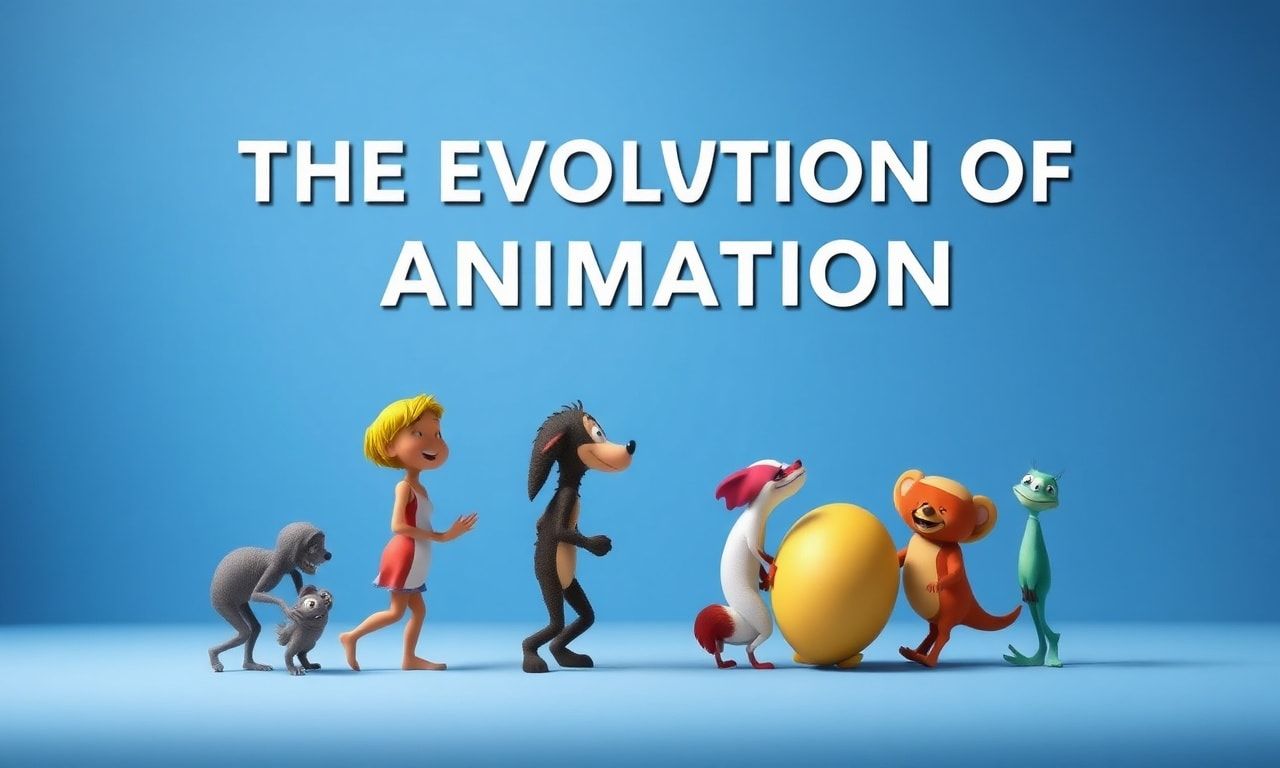
The Golden Age of Animation
The world of animation has come a long way since its inception. The early 20th century marked the golden age of hand-drawn animation, with studios like Walt Disney Productions leading the charge. Classics like Snow White and the Seven Dwarfs (1937) and Bambi (1942) set the standard for storytelling and artistic excellence. These films not only entertained but also laid the foundation for future generations of animators and storytellers.
Hand-drawn animation, also known as traditional animation, involves animators drawing each frame by hand. This labor-intensive process requires a high level of skill and patience. Despite the advent of modern technology, many animators still appreciate the charm and uniqueness of hand-drawn animation. The intricate details and expressive characters created through this method continue to captivate audiences of all ages.
The Rise of Computer Animation
As technology advanced, so did the world of animation. The 1990s saw the rise of computer-generated imagery (CGI), which revolutionized the industry. Pixar Animation Studios, a subsidiary of The Walt Disney Company, played a pivotal role in this transformation. Their groundbreaking film Toy Story (1995) was the first feature-length film to be entirely computer-animated, paving the way for future CGI masterpieces.
The shift from hand-drawn to CGI animation brought numerous benefits. CGI allows for greater flexibility and creativity, enabling animators to bring their visions to life with unprecedented detail and realism. Additionally, computer animation can be more efficient and cost-effective in the long run, as it reduces the need for extensive manual labor. This technological leap has opened up new possibilities for storytelling and visual effects, making animation more dynamic and engaging than ever before.
The Impact of CGI on Modern Animation
CGI has had a profound impact on modern animation, influencing everything from character design to storytelling techniques. With the ability to create highly detailed and realistic environments, animators can transport audiences to fantastical worlds that were once only imaginable. Films like Avatar (2009) and The Lion King (2019) showcase the incredible potential of CGI, blending cutting-edge technology with compelling narratives.
Moreover, CGI has democratized the animation process, making it more accessible to aspiring animators. With the right software and tools, anyone can create high-quality animations from the comfort of their own home. This has led to a surge in independent animators and small studios, contributing to a diverse and vibrant animation landscape. The rise of online platforms like YouTube and Vimeo has also provided a space for these creators to share their work with a global audience.
The Future of Animation
The future of animation is bright and full of possibilities. Emerging technologies like virtual reality (VR) and augmented reality (AR) are poised to revolutionize the way we experience animated content. Imagine stepping into the world of your favorite animated film or interacting with characters in real-time. These technologies have the potential to make animation more immersive and interactive than ever before.
Additionally, advancements in artificial intelligence (AI) are beginning to impact the animation industry. AI-powered tools can assist animators in creating more efficient and realistic animations, from automating repetitive tasks to generating realistic facial expressions. While some may view AI as a threat to traditional animation methods, it can also be seen as a valuable tool that enhances creativity and productivity.
As we look to the future, it’s clear that animation will continue to evolve and adapt to new technologies. Whether through hand-drawn artistry or cutting-edge CGI, the essence of animation lies in its ability to tell compelling stories and evoke emotions. The industry’s commitment to innovation ensures that audiences will continue to be captivated by the magic of animation for generations to come.
The Role of Animation in Education and International Relations
Animation is not just a form of entertainment; it also plays a significant role in education and international relations. Animated films and series can be powerful tools for teaching complex concepts in a fun and engaging way. They can simplify difficult subjects, making them more accessible to young learners. For instance, educational animations can be used to explain scientific principles, historical events, or even international relations news analysis in a manner that resonates with children and adults alike.
Furthermore, animation has the unique ability to transcend cultural and linguistic barriers. Animated content can be enjoyed by audiences worldwide, fostering a sense of global community and understanding. Through shared stories and characters, animation can promote cultural exchange and mutual respect. This makes it an invaluable tool in building bridges between different nations and societies.
Conclusion
The evolution of animation from hand-drawn to CGI has been a remarkable journey, marked by innovation and creativity. As technology continues to advance, the possibilities for animation are endless. Whether through traditional methods or cutting-edge technologies, animation remains a powerful medium for storytelling and expression. Its impact on education, entertainment, and international relations underscores its importance in our modern world. As we look to the future, one thing is certain: the magic of animation will continue to captivate and inspire audiences for years to come.