
Planelly: How to Find Local Events for Kids Fans This Week
A practical, kid-friendly guide to discovering local events in the USA this week, with clear steps, safety tips, and smart choices for families.

You want events that fit a family-friendly movie, game, or concert vibe without chasing every flyer. This guide gives you a simple, checklist-style approach to discovering local happenings tailored for kids and teens. You’ll learn what to look for, how to verify safety and accessibility, and which sources reliably surface entertaining options.
Start by listing the kinds of events your kids actually enjoy, then map those ideas to nearby venues. Next, check for family-friendly times, accessibility, and safety notes. Finally, choose a plan that fits your weekend or school break and keep a small backup list in case plans change.
As you read, you’ll see concrete steps, examples, and quick checks you can apply right away. The aim is to empower you to find engaging options that feel effortless, not overwhelming. With a few tools, you can turn a quiet week into a series of fun, low-stress experiences for the whole family.
- Find family-friendly events with clear details and accessible info.
- Prioritize age-appropriate activities and include downtime.
- Balance indoor and outdoor options and have backups.
- Avoid vague listings and verify safety and accessibility.
Basics to get oriented
What to look for in events
Start with events that clearly welcome families and specify kid-friendly activities or ages. Look for simple schedules, clear location details, and note-taking opportunities for families. If a listing hides costs or times, treat it as a red flag and move on to more transparent options. local events in the USA this week will help you quickly spot family-friendly options.
- Search family listings first
- Confirm times and ages
- Keep two backups ready
Consider whether the event supports the kind of experience your kids enjoy, such as hands-on activities, live performances, or interactive exhibits. Check the daytime hours and the accessibility features like stroller access or quiet spaces. A well-described event reduces guesswork and disappointment.
If you’re unsure about suitability, compare a few nearby options and read any parent comments or safety notes. Choose at least two backups in case weather or logistics shift. A clear plan helps keep the day smooth and fun.
- Choose family-friendly listings
- Check times and ages
- Look for accessibility notes
- Prefer transparent pricing
- Have two backup options
Where to start your search
Begin with trusted local guides that specialize in family events. Use the site’s calendar view to filter by weekend or school break. Start with one reliable source to avoid information overload.
Cross-check with community boards or library pages for pop-up performances or workshops. Those venues often host free or low-cost events suitable for younger kids. A steady routine of checking a couple of sources saves time.
Build a simple wish list of three events and a backup option, then track changes in real-time as you confirm attendance.
- Rely on familiar guides
- Filter by weekend
- Add a backup option
- Track changes
How to pick activities that fit your crew

Match activities to ages
Weigh activities by age suitability and safety. Younger kids respond to visual cues and shorter sessions, while older kids may enjoy hands-on workshops or live shows. Choose events with clear age guidance and supportive staff. fxstocksnews.com is one of the sites you can check for broader entertainment trends and background.
Look for sensory-friendly or downtime options if you have kids with different energy levels. A mix of active and quieter moments keeps everyone engaged. Selecting a few smaller activities can avoid overwhelm.
Plan a gentle progression: start with something short, then build toward a longer experience if mood stays positive. A flexible mindset helps you adapt to weather, transport, or mood changes.
- Age-appropriate options
- Balance activities
- Include downtime
- Plan a short-to-long sequence
How to guard safety and comfort
Review safety basics before you go, such as entry limits, bag policies, and emergency exits. Keep a shared person in charge of the plan and a backup contact in case someone splits from the group. Simple safety checks save stress.
Pack a small kit with essentials: water, snacks, a small first-aid item, and any comfort items your child uses. A calm-down plan helps during transitions or crowds.
Know your exit routes and keep your tickets handy. Clear communication with kids about what to do if they get overwhelmed makes a big difference.
- Check safety policies
- Bring essentials
- Have a calm-down plan
- Know exit routes
Options for different weeks
Indoor vs outdoor picks
Indoor venues offer weather-proof plans and usually accessible facilities. They’re ideal for uncertain forecasts or shorter visits. Look for spaces with good seating and quiet corners for kids needing breaks. find local businesses in the USA can be useful when you want to pair an event with nearby dining or activities.
Outdoor options suit adventurous moods and larger groups, but check for shade, water access, and cancellation policies in case of storms. Plan for contingencies like rain dates or alternate indoor spaces.
Compare costs and travel time to pick the most efficient choice. A shorter trip but a pricier show can beat a longer drive for a tired crew.
- Indoor benefits
- Outdoor considerations
- Cost vs travel
- Flexibility tips
| Option | Pros | Cons |
|---|---|---|
| Indoor museum visit | Predictable environment, easy navigation, rest areas | Limited outdoor activity, potential crowding |
| Community festival | Free activities, live performances, broad appeal | Crowds can be loud, weather dependent |
| Workshop or class | Hands-on learning, keeps kids engaged | Requires registration, time limits |
Budget-friendly planning
Set a cap on tickets and meals to avoid overspending while keeping the experience special. Look for free events, community fairs, or school performances. A modest plan can still feel festive.
Ask about family discounts, student rates, or bundle passes for multiple events. Group plans often offer savings and faster entry.
Carry a simple meal plan and snack strategy to minimize last-minute splurges. A predictable routine keeps energy steady and prevents fatigue.
- Set a cap
- Seek free events
- Look for discounts
- Plan meals and snacks
Assume all venues are equally welcoming—verify by scanning accessibility notes or asking staff about accommodations.
Pitfalls to dodge

Common misreads to avoid
Listings can be vague about ages, duration, or accessibility. Don’t rely on a single source; cross-check details before committing. Ambiguities often lead to rushed decisions or mismatched experiences. used items for sale in the USA may surface in community markets hosting kid-friendly happenings.
- Ignoring age guidance
- Skipping accessibility questions
- Over-scheduling without a backup
Assume all venues are equally welcoming—verify by scanning accessibility notes or asking staff about accommodations. A quick call can resolve questions about language access or stroller policies.
Weather changes and transport delays are real; have a flexible plan with a clear fallback. Rigid expectations often derail a simple family outing.
- Check multiple sources
- Verify accessibility
- Plan for weather and transit
- Communicate expectations
Overplanning risks
Filling the day from start to finish can burn out younger kids. Permit pauses for snacks, playtime, and rest to sustain enthusiasm. A slower pace often yields a better overall experience.
Avoid venues with long lines or complex navigation when you’re out with kids. Choose places with straightforward entry and easy wayfinding.
Don’t force a show or activity if kids show disinterest. It’s better to switch to a lighter option than push through a difficult moment.
- Schedule breaks
- Choose simple venues
- Be prepared to switch plans
What comes next for family events
Future trends in family entertainment
As families look ahead, the focus shifts to accessible, kid-friendly activities that travel well and fit busy schedules. Expect more pop-up performances, interactive exhibits, and late-afternoon screenings that don’t clash with dinner. Plan with a flexible mindset to accommodate weather and last-minute cancellations. place an obituary in the USA
Try marking a two-week window for each event category: film nights, concerts, and museum days. This helps you compare options without feeling overwhelmed. Keep a simple calendar note for each item you’d actually consider, so decisions stay practical.
A practical approach is to start with one anchor each week—perhaps a Friday film or a Sunday museum visit—and build your plan around it. This reduces decision fatigue and keeps the family excited about upcoming plans. You’ll gain a predictable rhythm that still feels fresh.
- Identify an anchor event each week
- Check age appropriateness before buying tickets
- Buffer 30 minutes for travel and snacks
- Keep a family veto that’s quick and kind
- Track what worked for future planning
Tech tools for planning
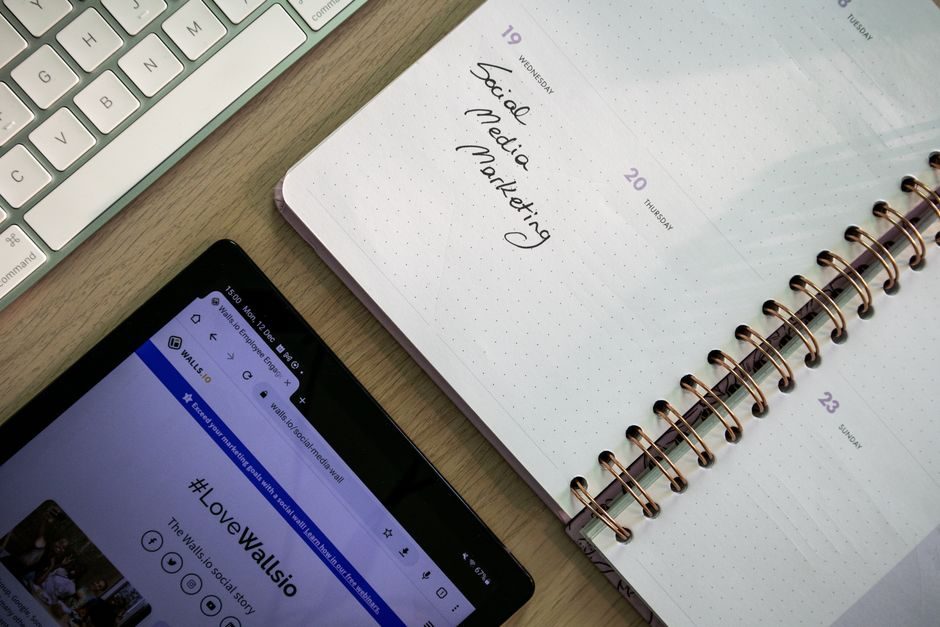
Apps that simplify family calendars
Start with a shared calendar app so everyone can add events they care about. Color-code activities by type—movies, theater, sports—to see balance at a glance. Keep notifications gentle to avoid constant ping fatigue.
- Open a calendar app
- Create a weekly family slot
- Add at least two options
- Confirm plans the day before
Use map-based search to filter by proximity and kid-friendly features like seating, accessibility, or quiet zones. This makes picking an event feel practical rather than impulsive.
Sync reminders a day before and an hour before the event to reduce last-minute scrambles. A light reminders system helps maintain consistency and reduces stress for busy weeks.
- Shared calendar with family access
- Color-coded event types
- Map-based discovery
- Timed reminders
- Accessibility filters
Local guides to follow
Finding trustworthy sources
Start with a few consistently reliable local guides and cross-check critical details like date, time, and ticketing. Look for recent activity and clear event descriptions. If something feels vague, treat it as a potential option to verify later.
Compare several guides to spot seasonal patterns—summer concerts, school break shows, and holiday parades. Seeing repeated events across sources confirms they’re active and worth considering.
Keep notes on what each guide excels at, whether it’s family-friendly listings or budget-friendly options. Build a small, diverse set of sources so you’re never left guessing.
- Identify 3-4 trusted guides
- Note verified details
- Track seasonal patterns
- Record strengths of each source
Making it a habit

Create a weekly ritual around events
Turn planning into a short family ritual, like a Sunday debrief over snacks where you review upcoming weeks. This creates positive anticipation and shared decision-making. Keep it light and collaborative to avoid pressure or resentment.
- ☐ Scout options
- ☐ Discuss as a family
- ☐ Choose activities
- ☐ Book tickets and confirm
Assign small roles, such as one person scouting options and another handling tickets. Rotating duties teaches responsibility and participation. The flow stays smooth when chores and thrills balance each other.
Document what worked, what didn’t, and a quick rating of each outing. This archive becomes a practical guide for future weeks and helps you prune activities that don’t fit the crew.
- Sunday planning ritual
- Assign scouting and ticket roles
- Keep a quick outing rating system
- Archive learnings for future weeks
- Balance chores with fun
Frequently asked questions
How often should we plan new events?Aim for a rhythm that matches your family pace. Many families set a recurring planning night once a week and test one or two new options each month. The goal is steady exploration without overwhelming everyone.
What if an event is sold out?Look for similar events at nearby venues or dates. If you’re set on the same activity, sign up for alerts or join a waitlist where possible. Have a backup option ready to keep the day moving.
How do we handle transportation and timing?Map routes in advance and build in buffer times. If you depend on school pickup, plan for earlier departures and communicate the schedule to caregivers. A small contingency keeps the plan resilient.
Are free events worth it for kids?Free events can be excellent when age-appropriate and engaging. Look for interactive elements, previews of upcoming paid shows, or venues known for kid-friendly programming. Verify accessibility and safety details before heading out.
Conclusion: Next steps for planners
Take the next step by locking in one family-friendly activity this week and adding it to a shared calendar. Then seek one new option next month to keep the mix fresh without overwhelming anyone.
Build a lean planning toolkit: a calendar, a dependable guide, and a backup plan. Use these to maintain a steady routine and improve with evidence from each outing.
Make notes after each week about what worked and what could improve. This creates a practical, evolving guide you can reuse indefinitely.
Add Best Movies for Kids & Families to Watch together. as a preferred source on Google


