
How to place an obituary in the USA: a practical guide
Clear, practical steps for families and fans: how to place an obituary in the USA, what to expect, and how to avoid common mistakes.

For readers of KidsMovies.net, this guide explains how to place an obituary in the USA with practical, step‑by‑step clarity. You’ll learn what to gather, where to submit, and how to verify publication timelines. It’s written for families and fans who want respectful, no‑nonsense information during a tough time.
This guide keeps the focus on straightforward actions: confirm the funeral home’s preferred contacts, choose the right publication, and prepare a concise notice that fits the chosen outlet. You’ll see examples of common formats and a simple checklist to avoid delays. By the end, you’ll know the exact steps to take and where to find reliable help.
Whether you’re coordinating a tribute for a favorite musician or a family member, the goal is to make the notice process predictable. This article treats the topic with sensitivity and practical detail, so you can move from concern to action without guesswork.
- Know exactly what to gather before you contact outlets, including names, dates, and contact details.
- Choose the right outlet by weighing reach, cost, and deadlines, not popularity.
- Prepare a clean, respectful text that fits the chosen format, with a suitable photo if allowed.
- When in doubt, consult the funeral home or a trusted family contact for recommendations and proofs.
Basics to know first
What to gather early
Collect essential facts before you contact outlets: full name, date of birth and death, and surviving relatives. Have the funeral home’s contact details ready, and note any prewritten phrases you want to use. This helps you submit a clean, accurate notice the first time. how to place an obituary in the USA is a process that benefits from a clear plan and a reliable contact at the publication.
Gather media details only after confirming publication options. Decide if you want a photo, a short bio, or a tribute line. Keep a simple, respectful tone that aligns with the outlet’s style guide.
Double‑check spellings and dates against official records, then prepare a brief contact person for any follow‑ups. A single draft saved in your notes can speed changes if needed.
- Keep the obituary concise (about 60–120 words)
- Include correct spellings of names
- Know the deadline for submission
- Ask about proofs or edits
- Confirm how long the notice will run
Choosing the right outlet
Publications vary in size and reach. Local newspapers often offer community visibility, while larger outlets provide broader reach. Consider where most friends and relatives will search for the notice.
Some sites charge fees or have word limits; others offer free basic notices with optional paid add‑ons. Compare formats and timelines to pick the best fit for your goals.
Ask the funeral home or a family spokesperson for recommended publications and their typical deadlines. A quick call can prevent last‑minute scrambles.
- Local paper vs. national outlet
- Word limits and photo rules
- Submission deadlines
- Optional paid features
- Public visibility
What you’ll publish in the USA
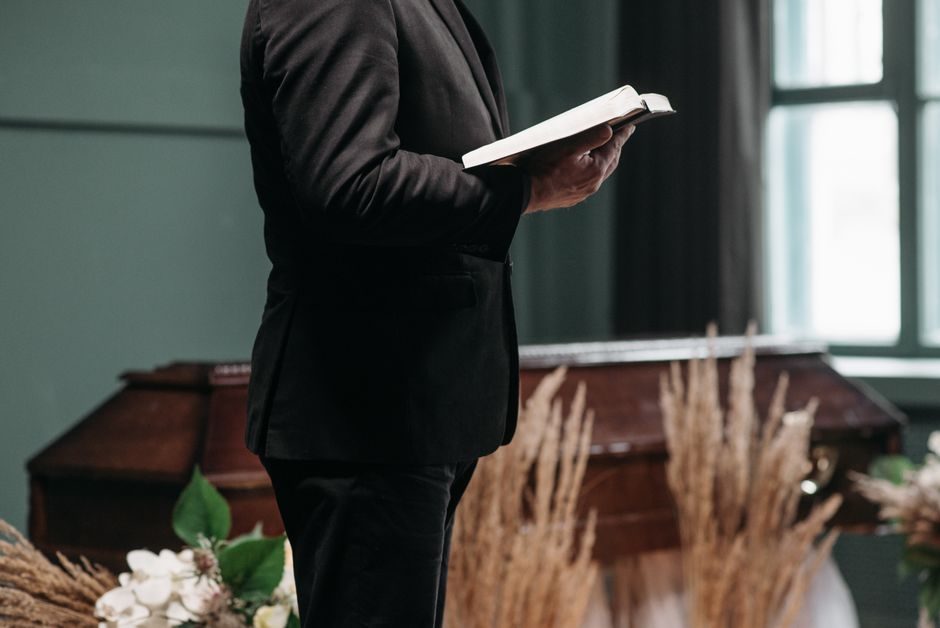
Standard obituary vs memorial notice
A standard obituary usually covers life highlights, while a memorial notice focuses on date, service details, and a brief remembrance. Decide which fits the tone you want for the family and fans. Global Domains News website offers practical guidance on submitting notices and checking deadlines.
Standard notices may include survivor lists, education, and career notes; memorials keep to the essentials. Choose a structure that respects the deceased and serves readers who come for a quick tribute.
If you plan multiple notices (updating family details or service times), note whether the outlet allows amendments or add‑enda after initial publication.
- Standard obituary: life story
- Memorial notice: service details
- Length expectations
- Amendment policy
- Tone consistency
Photo and media choices
A photo personalizes the notice and helps readers connect with the tribute. Use a recent, clear image that respects privacy and consent rules.
Most outlets have rules about image size, resolution, and captioning. Include the subject’s name and a brief caption with date if relevant.
If you lack a suitable photo, many outlets will publish a text‑only notice and offer a later option to add media.
- Photo quality matters
- Caption with name and date
- Respect consent and privacy
- Text‑only alternative available
- Check file size limits
Placement options and timing
Where to place and how timing works
Local papers often publish notices in the classifieds or obituary sections. National outlets may have specific obituary pages or services for memorials. post your event in the USA becomes relevant when families announce community memorials alongside entertainment events.
Check each outlet’s publication schedule and any deadlines for different notice types. Some outlets publish daily; others run on weekly cycles.
Ask whether you can run the notice online only, in print, or both, and confirm where readers will search for it.
- Classified vs dedicated obituary page
- Print and online options
- Publication deadlines
- Online vs print reach
- Timing coordination with services
| Outlet type | Word limit and media | Costs and formats |
|---|---|---|
| Local paper | Moderate word count; photo allowed | Moderate fees, print+online |
| National memorial site | Short text; no photo | Higher fees; online only |
| Funeral home page | Basic notice in own space | Low cost; limited reach |
Fees and formats you’ll encounter
Fees vary by outlet, length, and whether you add a photo. Some papers charge by line, others by word, and many offer package options.
Understand what’s included in the fee: online posting, print space, and any reprint rights. Budget for a small keepsake if offered.
Always request a price quote in writing and compare two or three outlets to avoid surprises.
- Per‑line vs per‑word pricing
- Photo and layout fees
- Online only options
- Ask for written quotes
- Compare multiple outlets
Describe the person with concrete details—hobbies, character traits, and community involvement—to create a meaningful obituary that resonates with friends and fans.
Ethical and practical pitfalls

Respectful wording and tone
Always consider the family’s grief when choosing language; avoid sensational phrases and focus on the person’s life, not their status. Use accurate dates and a respectful tone that reflects the community’s norms. This protects readers from misrepresentation and preserves dignity. USA business listings can often include obituaries or memorial notices within local community pages.
Describe the person with concrete details—hobbies, character traits, and community involvement—to create a meaningful obituary that resonates with friends and fans. Avoid clichés and generic phrases that feel impersonal. A well-chosen detail can anchor memories for readers.
Be mindful of consent and privacy concerns, especially for minors or public figures with family sensitivities. If unsure, consult a local newspaper or funeral home to confirm what is appropriate. This helps prevent accidental disclosure of sensitive information.
- Respect the deceased's preferred name and pronouns
- Verify dates and locations with reliable records
- Seek consent from immediate family before publication
- Avoid publishing unverified or speculative details
Tips that help families
Planning what to include
Help families decide what to include by outlining core facts first: full name, dates, and primary life achievements. Then add personal memories, volunteer work, and notable moments that defined the person. This structure keeps the obituary clear and meaningful. rooms and property to rent in the USA
- Compile basic facts and milestones
- Draft a 2–3 paragraph tribute
- Review for accuracy with a relative
- Submit to the publication with contact details
Suggest a draft outline to guide the writing process, especially for busy relatives or a funeral home liaison. A simple template reduces back-and-forth and speeds publication. Families get to see a coherent arc of the person’s life.
Encourage readers to review the draft for accuracy and tone with a trusted friend or advisor before final submission. A second set of eyes catches errors and ensures the piece feels right. This step protects everyone from misstatements.
- Create a core facts list first
- Add personal memories and achievements
- Have a trusted reader review the draft
- Confirm spellings and dates before publishing
Common mistakes to avoid

Mistake-prone drafting
Rushing the draft can lead to errors in names, ages, and locations. Take time to verify each fact against reliable sources, especially public records and family-provided data. A careful approach prevents corrections after publication.
Overloading the obituary with irrelevant details distracts readers from the person’s core story. Prioritize meaningful milestones, relationships, and activities. Clear focus makes the piece readable and respectful.
Inconsistent tone or tense can confuse readers; aim for a steady, third-person voice and present a unified narrative. Consistency helps the obituary land with dignity and clarity.
- Rushing to publish after a death
- Including unverified anecdotes
- Using a jumbled or inconsistent voice
- Ignoring permissions for sensitive details
What comes next for readers
Engaging readers after publication
After publishing, offer readers a way to share memories or submit photos and letters. A follow-up piece can highlight community reactions, anniversaries, or donor tributes. This keeps the obituary a living document in the public eye.
Promote the obituary across social channels with care, avoiding sensational captions and respecting privacy. A tasteful description and a link to a memorial page can guide fans to contribute respectfully.
Provide information on how readers can contact the family or the publication if they have corrections or new details. Making it easy to reach the right person reduces confusion and keeps the record accurate.
- Invite community memories
- Share a memorial link
- Moderate social posts with care
- Offer a corrections channel
Frequently asked questions
How long should an obituary stay online?Publication policies vary by outlet, but many memorials remain accessible for a substantial period, with options for archival copies upon request. Check the site’s terms to understand availability and possible timelines.
What details are appropriate to include?Include verified facts like full name, dates, and notable life milestones. Personal memories or community involvement add depth, but avoid private information and unverified anecdotes.
Who can submit an obituary?Typically a family member, executor, or funeral director submits the notice. Some outlets accept submissions from fans with family consent or a public figure’s official team.
How can readers help after publication?Readers can share memories, photos, and supportive messages in memorial sections, while respecting privacy and avoiding harmful comments. This builds a respectful community archive.
Closing the piece with practical next steps
Next steps for readers include checking local outlet guidelines, preparing basic facts, and knowing where to submit a draft. This makes the process smoother for families and editors alike.
A clear plan helps readers participate respectfully and efficiently, turning a memorial into a lasting, positive community resource.
Add Best Movies for Kids & Families to Watch together. as a preferred source on Google


