
How to follow Das aktuelle Geschehen in München for entertainment fans
A practical guide for readers of an entertainment site to understand Münich current events and why it matters for movies, music, TV and pop culture.

If you want to stay connected to what matters in Munich’s cultural scene, start with clarity. This guide explains how the city’s real‑time happenings can influence what you watch, listen to, and talk about with friends. You’ll learn a simple approach to interpreting news about Munich without losing sight of entertainment value.
Ask yourself what the event means for your favorites—film prizes, club nights, or theater premieres—and how to spot credible sources. You’ll gain confidence in distinguishing buzzy headlines from what actually affects your next binge or concert plan. The goal is practical steps you can use this week.
By the end, you’ll know where to find the right updates, how to filter noise, and how to connect these updates to the media you love. The process helps you enjoy Munich’s current happenings as they relate to movies, music, and pop culture, not as distant politics. You’ll have a reusable method that fits your entertainment radar.
- Munich current events matter to entertainment fans when they influence upcoming films, music, and show releases.
- Follow official calendars and compare reputable outlets to filter noise.
- Turn news into concrete plans like tickets, streaming links, or playlist ideas.
- Keep actions small and repeatable to stay engaged without being overwhelmed.
Basics in plain terms
What counts as current events
Current events are happenings that affect daily life in the city right now, from film screenings to street performances. Look for venues, dates, and performers you recognize, and note how these events connect to familiar entertainment. This builds a quick sense of what’s timely for fans. Das aktuelle Geschehen in München unfolds daily across venues, theatres, and clubs, and it often signals what fans might watch next.
- Spot events that affect the entertainment scene
- Record date, place, and key names
- Decide if it aligns with your current favorites
- Keep a simple note for later reference
- Identify the event type (screening, concert, premiere)
- Check location and time for planning
- Note any guest artists or creators involved
- Consider how it links to your favorite shows or games
Where to start looking
Begin with official venue calendars and reputable cultural outlets that cover Munich. Compare several sources to confirm details, and ignore flashy rumors that lack specifics. A quick scan of 2–3 outlets usually reveals the core event you’d actually want to attend or stream.
- Check venue websites
- Read short event descriptions
- Watch for authoritativeness in reporting
- Follow a couple of trusted outlets for consistency
From news to your night out
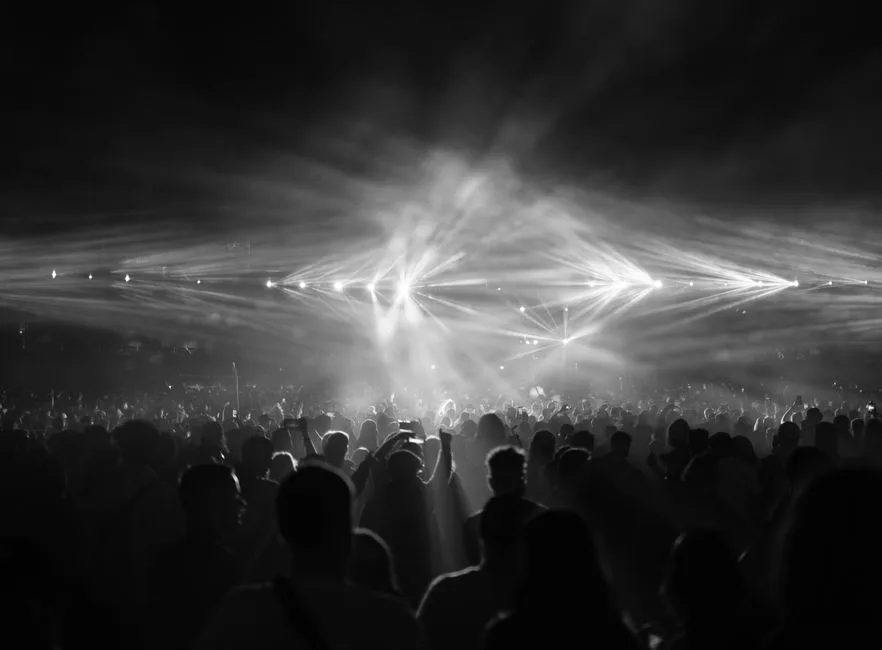
Turn headlines into plans
Treat each headline as a clue about your energy for the week. If a film festival announces new titles, you can plan a movie night or a themed playlist. Translate a news item into a concrete action you can take, like booking a ticket or saving a streaming link.
- Summarize the event in one sentence
- Identify the next step you’ll take
- Record the time and place for planning
- Note any participating artists
- Ask: does this affect my viewing choices?
- Link events to a film, game or music interest
- Set a simple action (buy ticket, add to watchlist)
- Avoid overreacting to sensational wording
What to trust and what to skip
Not every report on Munich is equally reliable. Prefer sources that verify with dates, venues, and names. If a piece seems based on rumor rather than fact, save it for later or skip it altogether.
- Look for exact venue and date
- Avoid anonymous tips
- Check credentialed reporters
- Ignore baseless hype
Options for different readers
Different ways to engage
Some readers follow daily updates for quick hits, others prefer deeper profiles of artists and venues. You can mix light scrolling with longer reads to fit your routine. Choose formats that keep you informed without feeling overwhelmed.
- Daily digest vs. long reads
- Attend live events when possible
- Save articles for later
- Create a short list of must-see items
| Approach | Pros | Cons |
|---|---|---|
| Daily digest | Fast updates, easy to skim | May miss context or nuance |
| In-depth profiles | Deeper understanding of venues/artists | Takes more time and effort |
| Event calendars | Clear planning aid | Can be incomplete or delayed |
Low-friction ways to stay informed
Set a simple routine: a morning check of one trusted source and a weekly roundup of big events. Use alerts sparingly so you don’t miss major moments but don’t drown in minor news. The aim is consistency, not coverage for its own sake.
- One trusted source daily
- Weekly highlight email
- Bookmark a couple of venues
- Keep a running list of favorites
Start with two or three independent outlets to confirm a detail before sharing it.
How to verify details quickly

Cross-check with multiple sources
Start with two or three independent outlets to confirm a detail before sharing it. If they align, the likelihood of accuracy rises. Verification helps you avoid repeating rumors that can mislead entertainment fans who rely on timely news for event planning.
Compare timelines carefully: note when each outlet posted the information and whether they cite a source. Diagrams or side-by-side notes can help you see gaps or contradictions at a glance.
Always consider the gatekeepers: look for outlets with transparent correction policies and clear sourcing. If something feels off, pause and seek a second confirmation before you publish.
- Use official event pages for dates and venues
- Check quotes against the author’s prior reporting
- Look for corroborating photos or videos
Creative angles for coverage
Tell it through a vibe
Shift the angle from what happened to how it feels to be there. Describe the mood, the crowd energy, and the sensory details that a viewer at home might imagine. This helps entertainment readers connect, even if they didn’t witness the event.
Then link that mood to a possible night out: where to eat, what to wear, and how the event shapes a city's pop culture moment. It becomes a guide, not a note on a timeline.
Finally, offer a short cultural context: how this moment fits into Munich’s current entertainment scene and why fans should care beyond headlines.
- Highlight atmosphere over numbers
- Suggest post-event ideas for readers
- Connect with local scenes and venues
Tips for timing your updates
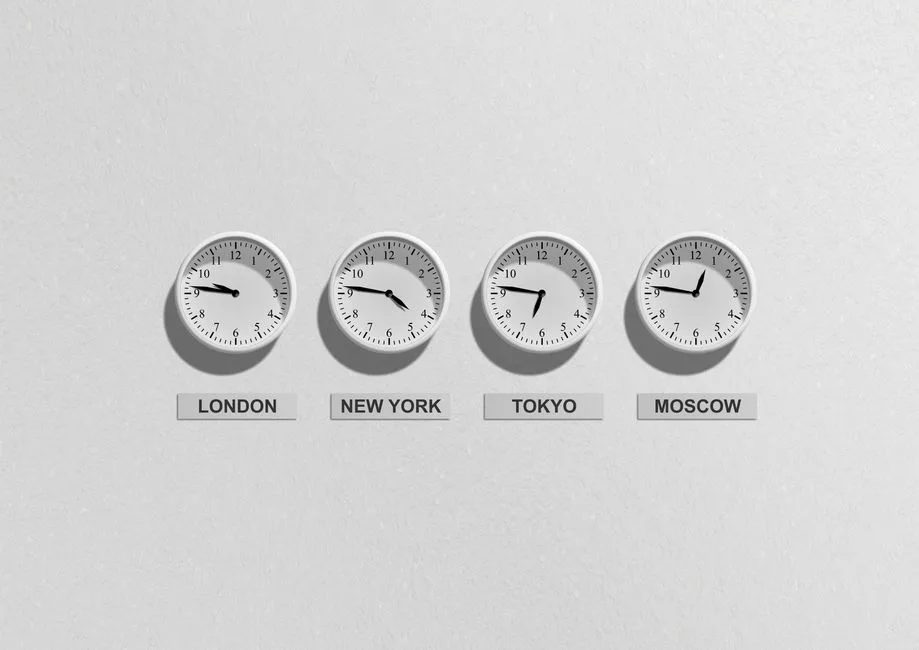
Schedule posts around events
Plan updates to land before, during, and after major moments. A live teaser can pull in readers, while an after-action summary helps those who missed the event. Timeliness keeps your page relevant for entertainment fans who crave current info.
- Set reminders for peak social moments to post just before they start.
- Publish a recap within a few hours after the event ends.
Use concise, actionable lines: a single takeaway per update, followed by a quick link to more context. Readers skim; you want them to stop, read, and act.
Track the window when interest peaks for Munich events, and stack follow-ups a few hours apart to extend coverage without repeating the same facts.
- Tease upcoming updates
- Post bite-sized highlights
- Follow a clear update cadence
Common pitfalls to avoid
Misreading the crowd
A common mistake is assuming a single reaction represents the whole audience. Different segments will respond in varied ways, so acknowledge diversity in fan reactions and avoid sweeping statements.
Be cautious with sensational language; it can distort the scene and alienate readers who expect balanced reporting from an entertainment site.
Always verify what a response looks like in real terms: pull quotes, reaction videos, and audience comments to back your take.
- Avoid over-generalizing sentiment
- Steer clear of hype and clichés
- Back opinions with observed evidence
Frequently asked questions
How should I verify a rumor without delaying a post?Start with two independent sources and note their sources. If both outlets offer the same detail, publish a cautious update that flags the detail as unconfirmed until more confirmation comes in. This keeps readers informed without spreading misinformation.
What makes a good angle for an entertainment piece about Munich events?A solid angle ties the event to the broader cultural scene: mood, venue vibe, local trends, or how it influences a night out. Provide practical takeaways like where to eat afterward or what fashion to wear, so readers can apply the coverage to their plans.
How often should I post updates during a live event?Aim for a short teaser before the main moment, a live or near-live post during, and a concise recap after. Space updates enough to feel fresh but not repetitive, and always link to deeper context.
What if I can’t verify a detail in time?Publish a cautious note outlining what is known, what isn’t, and where readers can check later. Avoid asserting any unconfirmed specifics and plan a follow-up update once confirmation arrives.
Next steps after you stay informed
With quick verification habits, you protect your readers from false starts and build trust as a go-to source for Munich entertainment moments. The goal is clarity, not speed alone, so model careful reporting in every update.
Turn a fresh angle into a practical guide: show readers how an event impacts their night out, playlists, or festival fashion. Treat your coverage as a bridge between news and real-life plans, not a bulletin board of headlines.
For a deeper understanding of this topic, Track CBD News Safely: Practical Guide offers valuable insights worth exploring.
Readers interested in this subject may also want to explore Münchner Alltag: Eğlenceyi Bozan Günlük Dosyası for additional perspectives.
For a deeper understanding of this topic, A practical guide to following München offers valuable insights worth exploring.
Add Best Movies for Kids & Families to Watch together. as a preferred source on Google


