
How second-hand items for sale in the USA fit kid-friendly entertainment
Explore why second-hand items for sale in the USA matter for families and fans, with clear steps, options, and safety tips for savvy shoppers.

What you buy second-hand can affect what you watch, play, and collect. This explainer shows why second-hand items for sale in the USA matter to families and fans, and how to use them safely and creatively. You’ll see practical steps, concrete examples, and kid-friendly tips to stretch budgets while keeping the fun in entertainment.
Buying used gear, costumes, or collectibles often saves money and cuts waste. You’ll learn how to spot good deals, avoid broken items, and verify what you’re buying. With clear checks and simple ideas, you can build a safer, smarter collection without losing the magic.
From costumes to game consoles, buying used can feel like a treasure hunt. The goal is to get something useful, in decent shape, at a fair price. This guide keeps the process straightforward and entertaining for families and young readers alike.
- Used items can save money and spark creativity for entertainment fans and families.
- Always check condition, completeness, and safety before buying.
- Shop local first for quick checks, then consider trusted online options with clear photos.
- Keep a simple sorting system to decide what to keep, lend, or pass on.
Basics of buying used
What counts as second-hand
Start by identifying items that retain value when used, such as costumes, toys, or media. Look for complete sets, minimal wear, and working parts. This helps you avoid toys with missing pieces or faulty electronics. second-hand items for sale in the USA provide affordable access to costumes and media
- Buying items without testing leads to surprises later
- Assuming everything works from photos; ask to test in person
- Overlooking minor wear that affects use, like frayed cords
Keep expectations reasonable: used items may show signs of age but can still be fun and functional. Check stitching on costumes, cables on electronics, and discs for scratches. A quick wiggle test or scrub of a case can reveal flaws you’d miss from afar.
Common mistakes: 3 short mistakes, each with the better approach
- Check for completeness before buying to avoid missing pieces
- Ask about return policies and warranties when possible
- Test electronics with care, using safe methods if you’re unsure
Where to start your search
Begin with small, trusted sources like local thrift shops or school fundraisers to build experience. Online marketplaces can offer better variety, but require careful checks.
Sort by item type you care about most, then compare prices, wear, and included parts. A planned list reduces impulse buys and streamlines checks.
If you’re unsure about a seller, ask for close-up photos and measurements. A few precise questions save time and reduce risk in the long run.
- Local shops for quick in-person checks
- Online listings with clear photos
- Ask specific questions early to gauge reliability
Why it matters for entertainment fans
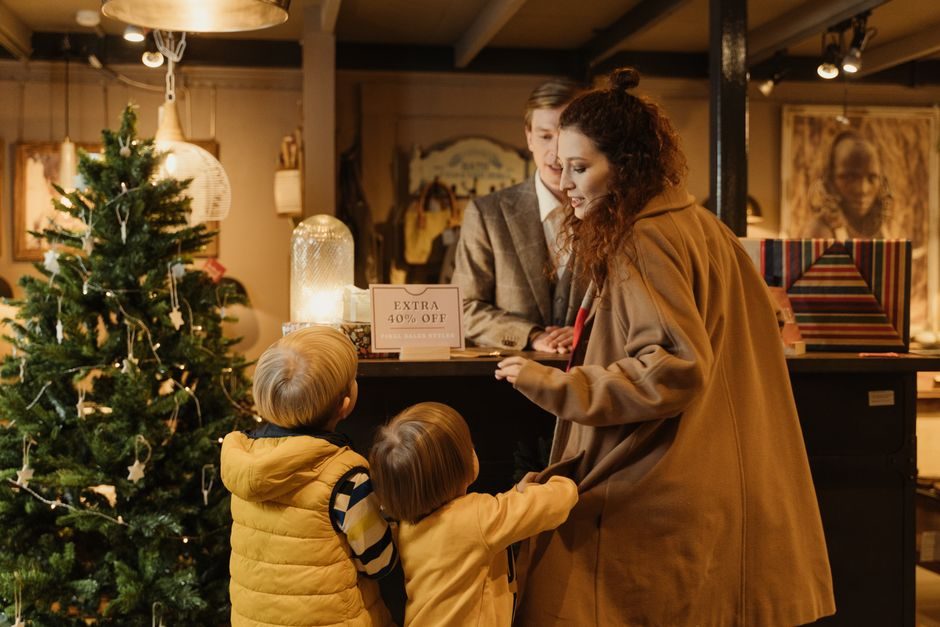
Value for money in fan gear
Used items can extend a fandom collection without overspending. A well-chosen piece may become a favorite display item or prop stand-in for social media posts. Guest Posting Forum headlines help organize your content strategy and reach
Compare new and used options by checking condition, compatibility, and any missing parts. A fair price reflects wear, but a good deal also aligns with your needs and space.
Think about durability and age. Some items stay relevant longer, while others lose appeal sooner, so balance novelty with practicality.
- Assess condition and compatibility
- Look for complete sets or accessories
- Balance desire with space and budget
Safety and care tips
Create a simple pre-purchase checklist for kids-friendly items. Prioritize items with no hazardous parts and clearly labeled materials.
After purchase, clean and inspect, then store properly to extend life. Proper handling prevents early wear and keeps a display looking fresh.
If an item requires assembly, use kid-safe tools and keep instructions handy to avoid loss and confusion.
- No sharp edges or choking hazards in kids’ items
- Check electronics for safety certifications where possible
- Keep original packaging and manuals when available
Where to find kid-friendly used items
Local sources you can trust
Start with community thrift stores that have a children’s section or a dedicated toy aisle. Staff picks and seasonal sales can offer good value. publish local events in the USA can connect fans with screenings and meetups
- Visit local shops
- Ask about return policies
- Schedule separate days for different item types
- Always inspect before paying
Check school fundraisers or library sales, which often price items fairly and disclose their condition.
Look for charity shops that highlight item quality or tester days, giving you a chance to inspect before buying.
- Visit during sale days for best prices
- Ask staff about return policies
- Bring a basic checklist to rate condition
| Option | Pros | Cons |
|---|---|---|
| New item | Latest features, pristine condition | More expensive, higher waste |
| Used item with care | Good value, less waste | Possible wear or missing parts |
| Bundle deal | Savings on multiple pieces | Must assess each part’s usefulness |
Online options with kids in mind
Online marketplaces can widen your choices, but you’ll need more scrutiny. Use filters to narrow to items with clear photos and descriptions.
Read seller profiles and reviews to gauge reliability. Communicate openly about what you want to check and test.
Consider user-friendly returns or buyer protections to reduce risk when buying unseen items.
- Use detailed searches for specific items
- Request clear photos of wear and components
- Verify return policies and seller reliability
Ask kids what they still love and what sits unused, then adjust the pile accordingly.
How to decide what to keep or pass
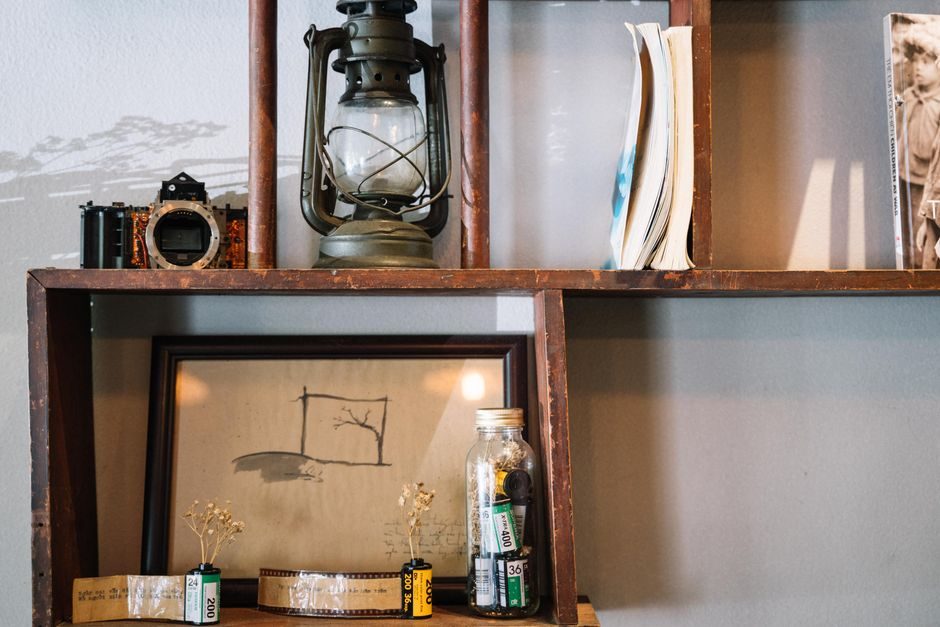
Sorting your collection
Create a simple system for separating keeps, gifts, and declutters. Label boxes or folders by item type and potential display space. submit your business in the USA is a practical step for creators seeking partnerships and visibility
Periodically review what you actually use or enjoy. A once-a-year check helps prevent clutter from building up.
Ask kids what they still love and what sits unused, then adjust the pile accordingly.
- Make a labeled storage plan
- Schedule regular reviews
- Involve kids in decision-making
Repurposing and sharing
Used items can serve multiple roles, such as props for play sets or décor for a fan room. Cleaning and minor repairs can refresh a look without major costs.
Share or lend items with friends or a club to maximize use. A rotation keeps things exciting and lessens duplication.
Document any repairs for future reference, so items stay useful and safe.
- Repair small issues to extend life
- Share items within trusted circles
- Keep notes on repairs and care
Creative ways to use second-hand finds
Repurposing for cosplay and events
Second-hand finds can become the backbone of kid-friendly costumes without breaking the bank. Start with a thrifted jacket, add patches and badges from craft stores, and tailor it to match a favorite character. This approach teaches kids resourcefulness while keeping costumes affordable and unique. place a death notice in the USA
- ☐ Identify a thrift item with potential
- ☐ Add simple character-inspired details
- ☐ Test fit and adjust for comfort
- ☐ Share a finished piece with friends
Try turning a thrift-store hoodie into a movie-inspired accessory by swapping buttons, sewing on fabric patches, or adding glow-in-the-dark details. The process is a simple, hands-on project that invites creativity and collaboration among friends. It also offers a chance to discuss character design and story worlds in a practical way.
This kind of project gives kids a felt sense of ownership over their look and a story to tell. It also reduces waste by extending the life of clothes and props. When the costume is ready, it becomes a talking point at screenings or age-appropriate fan meetups.
- Use solid, safe fabrics with minimal embellishments
- Choose items that can be easily repaired
- Document the build with photos for a memory keepsake
Safety steps for kids shopping
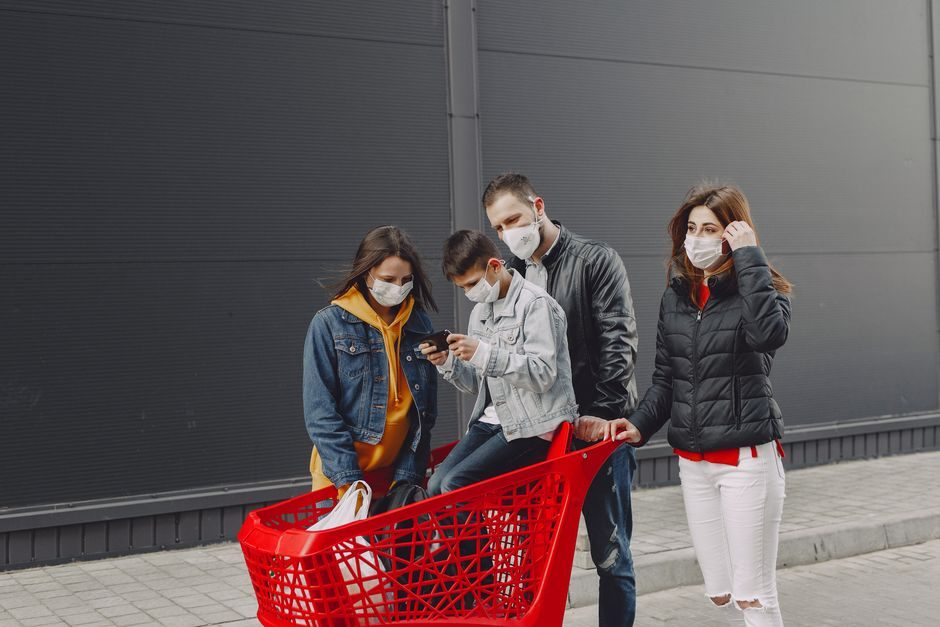
Smart searching before you go
Before a shopping trip, make a simple list of what you need and a budget. Teach kids to compare items for wear and condition, looking for rips, stains, or missing parts. This step keeps purchases practical and age-appropriate.
Explain how to check for safety features on toys, like non-toxic finishes and sturdy construction. Show kids how to spot loose parts and recommend skipping anything with sharp edges. Planning ahead reduces impulsive buys and mistakes.
Discuss how to handle bargaining kindly and safely, emphasizing polite communication with sellers. Role-playing helps kids practice questions about return policies and product histories. Clear expectations reduce stress at the checkout line.
Ethics and community impact
Fair use and sharing respect
Ethical shopping means considering the story behind a second-hand item. Ask whether an item was donated fairly or if it ended up in a surplus sale. This awareness teaches kids to value resources and understand circular economies.
Respect for others extends to the seller and other shoppers. Keep conversations kind, and avoid pressuring someone into a sale. A respectful approach creates a more enjoyable, family-friendly shopping environment.
Discuss how choosing second-hand items supports environmental goals and can help families save for fun experiences like concerts or movie nights. It’s a practical example of how everyday choices influence entertainment budgets.
- Ask about item history in a gentle way
- Respect store policies and other shoppers
- Share items that fit your family values
- Promote reuse as a positive choice
Finding reputable sellers and reviews
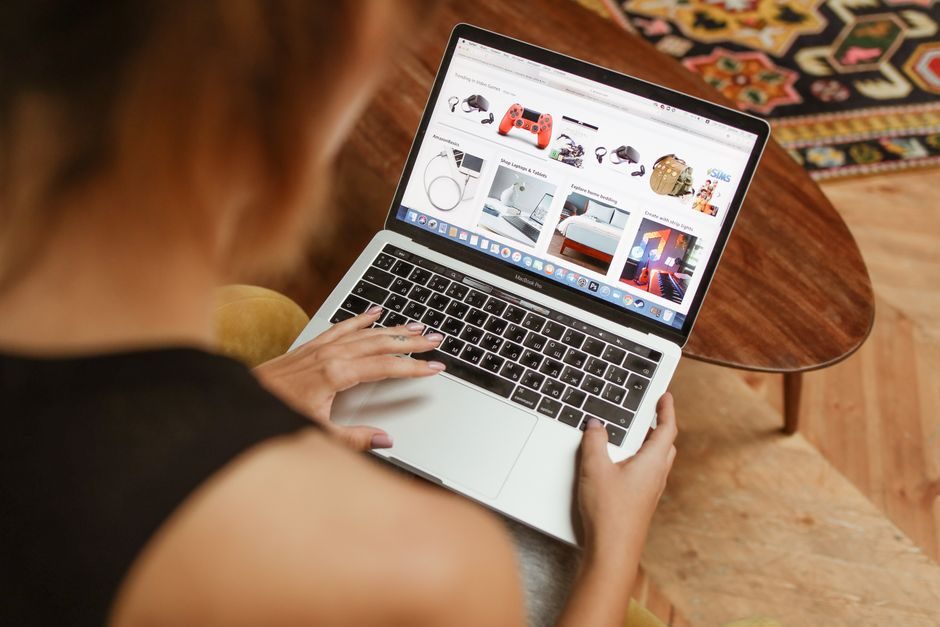
What to look for in listings
When browsing second-hand listings, prioritize clear photos, detailed descriptions, and visible wear. Look for messages from sellers about item condition, age, and any defects. This helps you make informed decisions without zooming in on vague promises.
Check for multiple photos from different angles, and ask questions about compatibility with your plans, such as whether a prop can be altered safely for kids. Honest sellers will respond promptly and provide extra details. This reduces back-and-forth and speeds up a confident purchase.
Compare prices across listings to gauge whether an item is reasonably priced for its condition. If a model is rare, be prepared to wait for a fair listing rather than overpaying. A calm approach keeps shopping enjoyable and budget-friendly.
Frequently asked questions
Why should families look at second-hand items for kid-friendly entertainment?Buying used can stretch a movie night budget and foster creativity. It offers hands-on projects, like making costumes or props, while teaching kids to assess wear, safety, and value. Most families find it adds character to games and viewing parties without overspending.
What items work well when bought second-hand for kids?Toys with simple mechanisms, props for dressing up, and durable costumes often hold up well after cleaning. Furniture or decor that can be easily wiped down also works, as long as there are no small parts that pose choking risks. Always inspect for loose components before letting kids handle them.
How can I avoid unsafe or unsanitary items?Check for recalls, request clear photos, and ask about cleaning steps. Avoid items with cracked plastics, peeling paint, or mold signs. A quick wipe-down and air-out can reduce risk, but if an item seems questionable, pass it to keep kids safe.
Any tips for building a kid-friendly thrift routine?Start small with a couple of stores, establish a budget, and schedule a monthly visit. Involve kids in choosing themes, like superhero costumes or movie night props, and document the process with photos for memory keepsakes.
Moving Forward with Second-Hand Fun
A steady habit of thoughtful second-hand shopping turns shopping trips into creative expeditions for families. You’ll build a rotating supply of costumes, props, and party cues that fit kid-friendly stories and films. The practical side is learning to assess condition, safety, and value quickly.
Next step is to set a simple plan: pick one store, pick one project, and set a firm but flexible budget. With time, this approach becomes a reliable, enjoyable part of family entertainment, not a chore.
Add Best Movies for Kids & Families to Watch together. as a preferred source on Google


