
Animated Films vs. Live Action: Choosing a Family Movie
Compare animation and live action for family movie night, with practical ways to match a film’s style, story and content to your child.

Neither animation nor live action is automatically better for children; the best choice depends on your child’s age, sensitivities and interest in the story. Animation can make imaginary worlds and big emotions easier to show, while live action may feel more familiar or immediate. Check the film’s specific content and pacing, then choose the style that suits your family that evening.
The format affects more than appearance. It shapes how characters move, how danger is shown and how much a story relies on visual fantasy, physical performance or realistic settings.
Use the comparison below as a starting point, not a rulebook. A film’s rating, synopsis and content guidance can tell you more about its suitability than the animation or live-action label alone.
- Animation and live action are styles, not age ratings.
- Compare tone, pacing and specific content before choosing.
- Use your child’s sensitivities and interests to guide the decision.
- Preview uncertain films and be ready to pause or switch.
What Makes an Animated Film Different?
A World Built By Artists
Animation lets filmmakers design every detail, from a talking animal’s expressions to the shape of an imaginary city. That freedom can make fantasy rules feel clear and consistent for young viewers, because the setting signals that the story is not meant to look exactly like everyday life. It also allows visual jokes and imaginative transformations that would be difficult to stage with actors.
Notice how a film uses color, movement and scale to communicate mood. A bright, exaggerated world may make a chase feel playful, while long shadows or abrupt changes in design can make a scene feel unsettling. If relatives are comparing a film’s availability or price across countries, serbest piyasa döviz kurları can help them understand the currencies involved.
Animation is a filmmaking technique, not a guarantee of gentle content or a particular age range. Animated stories can include peril, grief, frightening creatures or complicated themes, just as live-action films can. Before pressing play, check the rating and a detailed parent guide, then consider whether the film’s images and emotional intensity suit your child.
How Animation Guides Attention
Animated films can direct a child’s attention through expressive faces, clear silhouettes and carefully timed movement. A character’s exaggerated reaction may make a feeling easier to read than a subtle performance, which can help younger viewers follow what is happening. Look for whether the action is easy to track or crowded with fast cuts and competing visual details.
The same visual clarity can make frightening moments memorable, so consider how threats are presented. A fantastical monster may feel safely unreal to one child but intensely scary to another, especially when the film uses loud effects, close-ups or prolonged suspense. A trailer can reveal the general tone, but it may leave out quieter scenes that build tension.
Pay attention to the story’s rhythm as well as its pictures. Some animated films move quickly between jokes, songs and action, while others pause for conversation or reflection. If your child finds rapid changes tiring, choose a calmer title or plan a break; a slower pace can make it easier to talk about the story together.
- Check the trailer for frightening imagery.
- Notice fast cuts and loud effects.
- Consider whether fantasy creatures may worry your child.
How Live-Action Movies Tell Their Stories
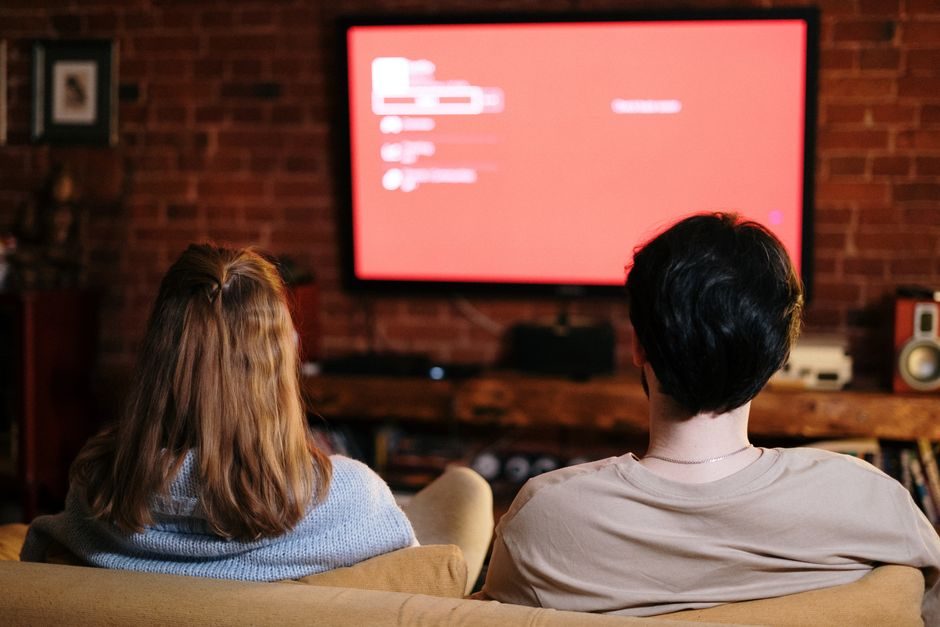
Performances And Real Settings
Live-action films use actors, physical locations and practical objects, which can make familiar situations feel close to a child’s own experience. A school hallway, kitchen or neighborhood may help viewers understand where a scene is happening without explanation. If a digital rental is listed in another currency, a döviz kurları çevirici can make the cost comparison easier for your family.
- ☐ Read the film’s rating and content guidance.
- ☐ Preview the trailer for intense scenes.
- ☐ Consider how realistic peril may feel to your child.
- ☐ Check whether the story includes themes your child may find upsetting.
Actors communicate through voice, expression and body language, and children may recognize feelings in those performances. At the same time, a realistic setting can make conflict or danger feel more immediate than a visibly fantastical scene. Consider how your child responds to tense arguments, injuries or frightening situations that look similar to things they might encounter in real life.
Live action can also use visual effects, puppets or elaborate sets, so the distinction from animation is not always absolute. A film may combine real performers with computer-generated creatures, or shift between ordinary settings and fantasy. When previewing a title, check how those elements work together rather than assuming that live action means realistic subject matter.
Realism And Emotional Impact
A realistic performance can help children connect with a character’s choices and feelings. Small details, such as a hesitant answer or a worried look, can carry emotional weight without a narrator explaining what to think. This can prompt useful conversations afterward, but it may also make conflict feel personal if the character’s situation resembles something your child knows.
Live-action films vary greatly in intensity, so do not judge suitability by the presence of actors alone. A gentle comedy can feel light, while a family adventure may include loud battles, separation or frightening close calls. Read content notes for specific concerns, and weigh whether your child is comfortable with realistic action rather than relying only on a general age label.
For younger viewers, your presence can make an unfamiliar scene easier to handle. Explain in simple terms when a moment is staged or fictional, and pause if your child seems distressed. Older children may prefer a conversation before watching, especially when the film includes difficult themes; ask what they think they might find challenging.
- Look for realistic injuries or peril.
- Check whether arguments or separation feature prominently.
- Stay nearby if your child may need reassurance.
Why the Same Story Can Feel Different in Each Style
Mood Changes With Visual Style
A story’s format can change its mood even when the plot stays similar. In animation, impossible movement or a stylized setting can make danger seem playful; in live action, actors and real locations may make the same event feel more immediate. Compare how each version handles a tense moment, not just the characters or broad storyline.
- The same plot can feel more fantastical in animation and more immediate in live action.
- A child’s reactions matter more than a format label.
- Compare tone and specific scenes before choosing.
The differences can guide your choice for a particular child. A child who enjoys imaginative creatures may find an animated adventure inviting, while another may connect more easily with familiar faces and places. Neither response is universal, so use what you know about your child’s preferences and reactions to specific kinds of scenes.
When choosing between formats, consider the story’s emotional focus as well as its visuals. A quiet conversation may feel intimate with actors, while animation can use color and movement to make an internal feeling visible. If your family is deciding together, describe the mood of each version and let children say which approach sounds comfortable.
| Choice | What it can emphasize | Consider for your child |
|---|---|---|
| Animated fantasy | Designed worlds and expressive movement | Whether creatures or stylized peril feel scary |
| Live-action setting | Familiar places and physical performances | Whether realistic conflict feels too immediate |
| Mixed techniques | Actors alongside visual effects or puppets | How the different elements affect the film’s tone |
Compare The Storytelling Choices
A useful comparison focuses on what each format emphasizes. One version might spend more time on action, while another gives characters room to talk through a problem; adaptations can also change details to suit their medium. Check whether the film’s pace, humor and emotional tone match what your family wants from movie night.
Use the synopsis and parent guidance to identify likely pressure points, such as frightening scenes, loss or conflict. Then consider how presentation might affect your child: a stylized threat may feel distant, while a realistic one may be harder to watch. These are possibilities, not guarantees, so a child’s past reactions offer the best clues.
A quick comparison can help a family make a thoughtful choice without turning movie night into homework. Look at the format, the likely intensity and the kind of story your child enjoys, then agree on a film together. If you are unsure, choose a familiar title or watch the opening with your child before deciding whether to continue.
- Compare the film’s tone and pace.
- Check how conflict and danger are presented.
- Match the story to your child’s interests.
Choose by the child in front of you, not by a simple rule that one format suits a certain age.
Which Format Best Fits Your Child’s Age and Sensitivities?

Match The Film To The Child
Choose by the child in front of you, not by a simple rule that one format suits a certain age. Consider attention span, comfort with suspense, sensitivity to loud sounds and interest in the subject. Two children of the same age can respond differently, so a sibling’s enthusiasm is not proof that the film will suit everyone.
For a child who is easily startled, check for sudden noises, threatening images and extended suspense in either format. If realistic situations are upsetting, live-action peril may be difficult; if monsters or exaggerated faces are scary, animation may not feel safer. Use detailed content guidance and, when possible, preview a scene before making the film your evening’s main activity.
Children’s preferences can shift as they grow or encounter new themes, so revisit what feels comfortable rather than assuming an old choice still works. Invite your child to describe what they enjoy and what they would rather avoid. That conversation helps you pick a film with the right balance of familiarity, challenge and room for shared enjoyment.
Make Movie Night Comfortable
Set expectations before the film begins by sharing its basic premise and mentioning any content your child may find difficult. This gives them a chance to ask questions or choose something else without feeling they have spoiled the evening. For younger children, keep the explanation short and reassuring, without describing frightening moments in unnecessary detail.
Make it easy to pause, take a break or stop watching if the mood changes. A child may enjoy a film at first and then find a later scene too intense, and there is no need to finish it simply because it has started. Keep another family-friendly option ready so changing plans does not become a major disappointment.
Afterward, ask what your child liked and whether any moment felt uncomfortable. Their answer can help you choose future films more accurately than a broad preference for animation or live action. If a story raises questions, listen first and respond in age-appropriate language; a relaxed conversation can turn a family movie into a useful shared experience.
- Explain the premise before watching.
- Agree that anyone can ask for a pause.
- Keep an alternative film ready.
How to Compare Versions Available in Different Countries
Check Audio and Subtitle Options
Before choosing a version, check its audio languages and subtitle settings on the service you plan to use. A film may offer a dubbed track in one country but only its original audio elsewhere. If your child is still learning to read, subtitles can make fast dialogue harder to follow.
Compare the available tracks rather than assuming the theatrical or most familiar version is included. A dubbed performance can make jokes and emotional moments easier for younger viewers to understand, while original voices may suit older children who enjoy hearing actors’ performances. Preview a short scene together if you are unsure.
Subtitles are useful when a family member prefers the original language, but they do not always translate songs, signs, or background text. Look for captions that include important sound cues if someone in your household relies on them. Check the settings before the movie starts so you are not troubleshooting during a key scene.
Compare Edits and Release Versions
A title can have different cuts, so read the version details before pressing play. A theatrical release, extended edition, and television edit may differ in length or include scenes that change the pace or content. If a child is sensitive to frightening moments, check a trusted content guide for the specific version.
Regional availability can also affect which version appears in a search. Search by the exact film title and year, then compare the description, runtime, and rating shown on the service. Matching those details helps prevent confusion when a remake and an older adaptation share a name.
If relatives in another country recommend a particular cut, ask what stood out and verify that the same edition is available to you. A trailer may come from a different version, so it is not a reliable substitute for checking the listing. Keep the choice focused on your child’s comfort and your family’s preferences.
What to Check Before Renting or Streaming

Verify the Listing and Cost
Check the film’s exact title, release year, rating, and rental terms before paying. Remakes and sequels can have similar names, and a rental may expire after a viewing window rather than remain in your library. Read whether the listing is a rental, a purchase, or included with a subscription.
When a movie-night purchase is priced in U.S. dollars but a family member is budgeting in Turkish lira, dolar kaç TL can help put the amount in context. Also check the final checkout total, since taxes or service fees may appear after the displayed price. Confirm the payment method and rental period before completing the transaction.
Check whether the film can be downloaded if your internet connection may be unreliable. Streaming quality can also depend on the device and connection, so open the service’s help page if playback requirements are unclear. Sorting these details out ahead of time avoids delays once everyone is ready to watch.
- Match the title and release year.
- Confirm rental, purchase, or subscription access.
- Review the full checkout total.
- Check download and playback options.
Read Ratings and Content Notes
Use the rating as a starting point, not a full account of what a child will see. Content notes can identify frightening scenes, language, violence, or mature themes that matter to your family. A brief review from a trusted source may explain whether those moments are intense, frequent, or easy to discuss.
Think about your child’s individual reactions rather than relying only on age labels. One child may be comfortable with cartoon peril but unsettled by realistic danger, while another may find loud sound effects overwhelming. If guidance is vague, watch a trailer or preview a scene before making the choice.
Check that the information applies to the version you are renting or streaming. Ratings and edits can differ between releases, and a short listing may omit details that matter to your household. When uncertain, choose a more familiar film or watch a potentially difficult scene together so you can pause and talk.
Simple Tips for a Successful Family Movie Night
Set Up the Room Together
Make the room comfortable before the film begins, with enough space for everyone to see and hear without straining. Adjust the volume, reduce glare on the screen, and place snacks where they will not distract viewers. If a child is sensitive to sudden sounds, lower the volume before a loud opening scene.
- Choose the film together.
- Check the room and playback.
- Settle in with snacks and comfort items.
- Pause when someone needs a break.
Let children help with a small part of the setup, such as choosing seats or arranging blankets. This gives them a sense of participation without turning movie night into a long negotiation. Agree on simple expectations, like keeping phones away or saving questions for a pause, if those rules suit your family.
Prepare practical needs in advance so nobody has to miss a favorite moment. Bring water, tissues, or a comfort item into the room, and check that the remote works. If younger children may need a break, make it clear that pausing is fine; a relaxed viewing matters more than finishing without interruption.
- Test the sound and picture.
- Set out snacks and water.
- Bring comfort items into the room.
- Agree that anyone can ask for a pause.
Keep Conversation Low Pressure
Invite children to share reactions without asking them to explain every scene. A quick question such as “What did you think of that character?” can open conversation, but let them keep watching if they are absorbed. Children often notice different details, and their comments can help you understand what they enjoy.
If a scene feels upsetting, pause and calmly explain what is happening or offer a short break. Avoid dismissing a child’s fear simply because the film is animated or intended for families. Acknowledge the reaction, then decide together whether to continue, skip ahead, or choose something else.
After the credits, ask which part they would remember or recommend to someone else. This gives children a natural way to describe what worked without turning the evening into a lesson. Their answers can also guide your next pick, especially when the family is deciding between another animated film and live action.
Ways to Choose a Film Everyone Can Enjoy
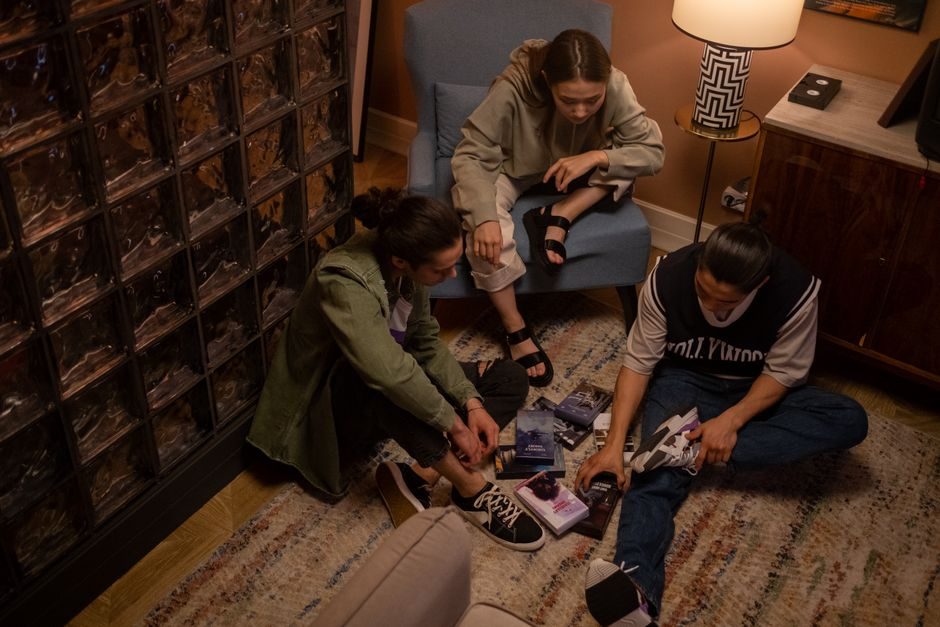
Balance Different Preferences
Start by asking each viewer what they want from the evening: a funny story, an adventure, familiar characters, or something calm. Then look for a film that meets more than one preference, such as a gentle adventure with comic moments. This gives everyone a reason to participate without requiring identical tastes.
- Choosing only for the loudest opinion; invite each viewer to name a preference.
- Treating a popularity list as an age guide; check content and family fit.
- Expecting everyone to love the same style; rotate choices between movie nights.
When opinions differ, take turns choosing across movie nights rather than settling every debate at once. A shared shortlist can include one option from each family member, with the final pick checked for age suitability and content. This makes the process feel fair while keeping the adult responsible for the final safety check.
Consider how long the group can comfortably watch, especially when young children are involved. A slower story may suit a quiet evening, while a lively film can work better when viewers want frequent action. Choose the style and pace for the people in the room, not simply because a title is popular.
- Ask what mood each person wants.
- Build a short shared shortlist.
- Check suitability before the final vote.
- Take turns making the pick.
Match Story and Viewing Mood
Choose a film whose emotional intensity fits the evening, not just its animation or live-action format. A fast, peril-filled adventure may be exciting when children feel energetic, while a quieter comedy can be easier to enjoy near bedtime. Check the story description for conflict, sadness, or suspense before deciding.
Think about how familiar the story needs to be for your group. A new world can spark curiosity, but a sequel may be more welcoming when children already know the characters. If family members have different experience with a series, a standalone film often makes it easier for everyone to follow along.
Use a simple backup plan if the choice turns out not to suit the group. Agree that you can pause and switch rather than making anyone sit through a film that feels uncomfortable or dull. Over time, noticing which stories, visual styles, and moods work for your family makes future choices quicker.
Frequently asked questions
Do animated movies always suit younger children better?No. Animation can include frightening images, intense action, or complicated themes, just as live action can. The format alone does not tell you whether a film is comfortable for a particular child. Check the rating and content notes, then consider how your child responds to peril, loud sounds, and emotional scenes. A short preview can help when the guidance is unclear.
Is dubbing or subtitles better for a family?It depends on the viewers’ ages, reading comfort, and preferences. Dubbing lets younger children focus on the action and expressions, while subtitles can preserve the original voices for viewers who enjoy them. Some families use dubbed audio with captions available when needed. Check the actual language settings on your service, since options can vary between versions.
What if my child wants to stop halfway through?Pause and ask whether the film feels scary, confusing, tiring, or simply uninteresting. You can explain a scene, take a break, or stop watching without treating it as a failure. Forcing a child to continue can make future movie nights stressful. Use the reaction as useful guidance when you choose the next film.
How can we make movie choices fair for siblings?Give each child a chance to suggest a film, then check every suggestion for age suitability and family comfort. Taking turns choosing across movie nights can prevent the same person from deciding every time. A shared shortlist also helps: children contribute options, while an adult makes sure the final pick works for the whole group.
Choose for the Family in Front of You
Animation and live action are different ways to tell a story, not reliable shortcuts for deciding whether a film suits a child. Compare the specific film’s mood, pacing, content, language options, and availability, then weigh those details against your family’s preferences. A child’s response is individual, so a thoughtful preview and a willingness to pause can matter more than the format.
For your next movie night, ask everyone what kind of story they want, make a short list, and check the rating and version on the service you plan to use. Choose the option that fits the youngest or most sensitive viewer while still offering something for the rest of the family. Afterward, remember what worked and use it to guide your next pick.
Add Best Movies for Kids & Families to Watch together. as a preferred source on Google

